
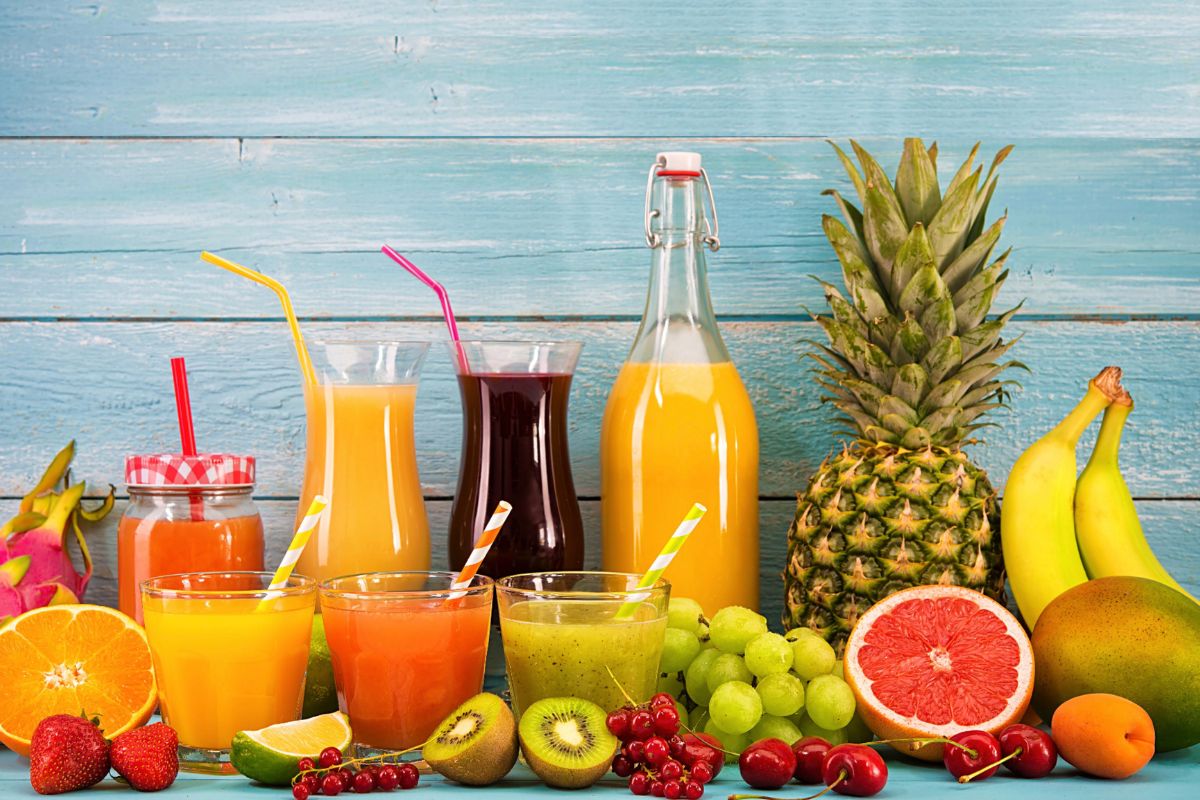
Most Americans still fall short of the government’s fruit intake targets, despite long-standing advice to eat around two cups of fruit a day on a 2,000-calorie diet. New research adds further weight to guidance suggesting that not all fruit servings may be equal when it comes to cardiovascular health.
A large study involving more than 371,000 adults in the United States found that eating whole fruit was clearly associated with better cardiovascular health. By contrast, regularly drinking 100 percent fruit juice did not show the same consistent links with lower heart risk.
What the new study found
The analysis, published in Current Developments in Nutrition, examined self-reported diets and medical histories collected through a national health survey. Researchers focused on how frequently people consumed whole fruit and pure fruit juice and compared those patterns with several major cardiovascular conditions.
After accounting for factors including age, income, education and smoking, lower whole fruit intake was associated with higher rates of high blood pressure, high cholesterol, coronary heart disease and heart attacks. These associations remained even after statistical adjustments.
For 100 percent fruit juice, the pattern was much less clear. Researchers found only modest associations: slightly higher rates of heart attack among people who drank juice more frequently and slightly higher cholesterol among those who consumed it less often. Overall, juice showed no strong or consistent protective association.
Why whole fruit may be different
On average, participants consumed whole fruit just over once per day, while fruit juice was consumed approximately once every three days. The researchers suggest that the way fruit is processed could help explain the differences observed in cardiovascular health.
Whole fruit retains its natural dietary fiber, much of which is removed during juicing. Fiber can slow sugar absorption, help regulate blood glucose and insulin spikes, and support a healthier cholesterol profile over time.
Researchers also point to polyphenols, plant compounds that may help protect blood vessels and reduce inflammation. The types and amounts of these compounds can change when fruit is processed into juice, potentially reducing some of its heart-protective effects.
Limits and what comes next
The authors emphasize that the research captures participants at a single point in time and therefore cannot establish that eating whole fruit directly prevents cardiovascular disease. Other lifestyle factors associated with fruit consumption could also influence the results, even after statistical adjustments.
Previous research has suggested that fruit juice may provide some cardiovascular benefits, meaning the new findings should not be interpreted as evidence that juice itself is harmful. Instead, the results suggest that the health advantage appears more consistent for whole fruit.
Researchers say longer-term studies that follow participants over many years are needed to better establish cause and effect. They also want to understand whether being diagnosed with cardiovascular disease may itself influence how frequently people consume whole fruit or juice.
Updated guidance for US consumers
The latest Dietary Guidelines for Americans for 2025–2030 continue to recommend two cups of fruit per day for a standard 2,000-calorie diet. However, the guidelines now emphasize prioritizing whole fruit over fruit juice whenever possible.
With an estimated 80 percent of Americans still failing to meet recommended fruit targets, experts say increasing fruit consumption is likely to be beneficial. The new findings reinforce the idea that replacing some fruit juice with fresh, frozen or canned fruit without added sugar may provide additional benefits for cardiovascular health.
For now, the practical takeaway remains straightforward: eating more whole fruit as part of an overall balanced diet is a simple way to support cardiovascular health.
