
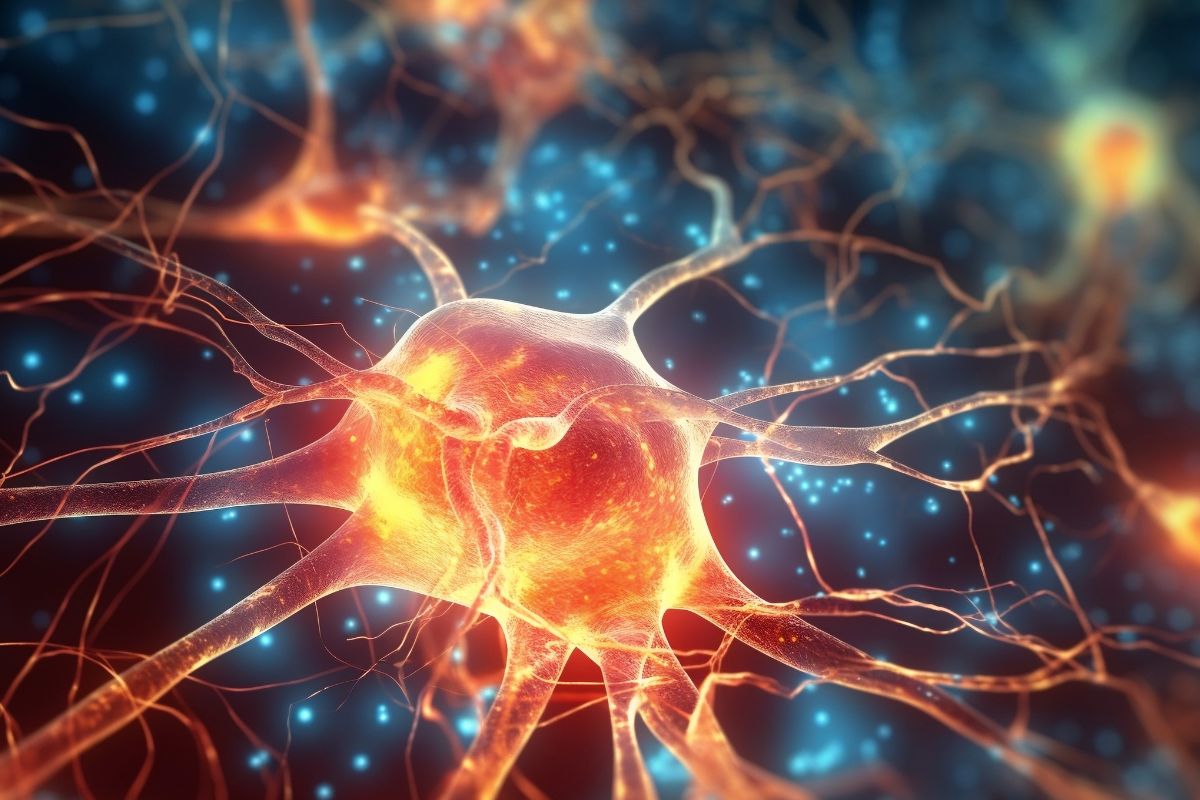
New brain imaging research suggests that long COVID may damage dopamine-producing neurons, potentially helping explain some of the condition’s most persistent symptoms. The findings offer early but concrete biological evidence for patients who have struggled for years with fatigue, slowed movement and cognitive difficulties.
The research, published in eBioMedicine, involved 24 Canadian adults with long COVID. Scientists detected clear differences in a key brain region compared with healthy people of similar age. The more severe a patient’s memory problems, slowed physical movements and lack of motivation, the greater the apparent reduction in dopamine activity.
How dopamine is involved
Dopamine is a crucial brain chemical involved in motivation, movement and reward processing, rather than simply a “feel-good” hormone. Damage to dopamine-releasing neurons is known to cause symptoms such as motor slowing, reduced drive and some forms of memory difficulty in other neurological diseases.
Lead researcher Jeffrey Meyer from the Brain Health Imaging Center says the findings provide strong evidence that long COVID can involve loss of dopamine-releasing neurons. He argues that the pattern of injury observed is consistent with clinical symptoms reported by many people with long COVID worldwide.
Inside the brain scan study
Researchers used PET scans with a radioactive tracer that binds to a protein on dopamine nerve endings, allowing them to indirectly measure dopaminergic function. All 24 participants had persistent, debilitating symptoms following a previous SARS-CoV-2 infection but had no active virus at the time of scanning.
Compared with healthy controls, participants with long COVID showed reduced dopamine nerve ending density in several areas of the striatum, a deep brain region involved in regulating motivation, movement speed and aspects of memory. Lower dopamine markers were associated with poorer test results for reaction speed and memory, as well as reported loss of drive.
Possible causes and implications
Scientists are investigating several ways SARS-CoV-2 might disrupt dopamine circuits. One theory is that heightened immune activity in long COVID recruits brain cells that prune synapses too aggressively, damaging dopamine-releasing neurons. Another possibility is that the virus directly infects these neurons, which carry receptors the virus can attach to.
Previous long COVID research has largely focused on inflammation, changes in blood flow and immune dysregulation rather than specific neurotransmitter systems. The new findings suggest that long COVID may, at least partly, involve disruption of the brain’s dopamine network, potentially overlapping with mechanisms observed in conditions such as Parkinson’s disease.
Therapies and unanswered questions
The authors argue that their findings support testing treatments designed to enhance dopamine function, including medications currently used for Parkinson’s disease such as L-dopa. By increasing tonic dopamine levels, such therapies might compensate for damaged or lost synapses and potentially ease some long COVID symptoms.
However, the researchers emphasize important caveats. Dopamine-targeting medications can cause serious side effects and may benefit only a subset of people with long COVID whose symptoms are related to dopaminergic injury. Long COVID is highly heterogeneous, and many patients do not experience slowed movement, marked apathy or memory decline.
The study also has clear limitations, including its small sample size and the indirect measurement of neuron loss through PET markers rather than direct cell counts. Definitive confirmation would require larger groups of patients and postmortem brain analyses, which are only beginning to emerge in COVID-related research.
Patient experience and next steps
One participant advisor, long COVID patient Susan Deuville, described losing much of her previous life after contracting COVID-19 in 2021 and spending years searching for answers. She says the findings validate what many patients have long felt: long COVID is a real, biologically grounded condition with a devastating impact.
Meyer holds a pending patent for a dopamine-based long COVID treatment, a conflict of interest that readers and regulators will need to consider as trials move forward. Independent research teams will be important for reproducing the findings and determining whether targeting dopamine can actually alter the course of the condition.
The research adds to a growing body of evidence that COVID-19 can leave lasting effects on the brain. As millions of people worldwide continue to live with long COVID, identifying specific biological pathways such as dopamine dysfunction could be important for developing more targeted, evidence-based treatments.
