
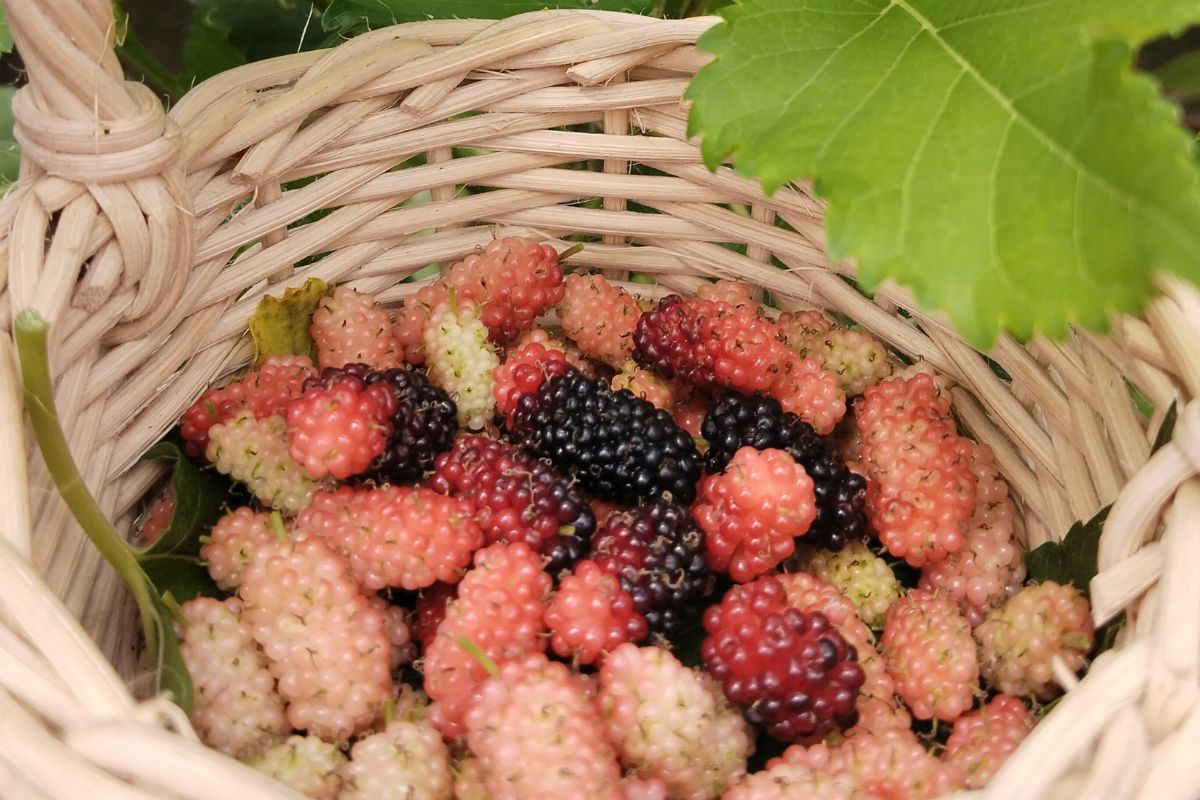
Mulberry has been consumed as food and used in traditional medicine for centuries, and scientists are now investigating its potential effects on gut microbiota and metabolism. A recent review led by researchers at Wroclaw Medical University suggests that mulberry’s biological effects may depend strongly on the species, plant part and processing method used.
According to the authors, the gut microbiota influences not only digestive health but also broader metabolic processes throughout the body. Mulberry is attracting interest because it contains diverse bioactive compounds, including polyphenols and polysaccharides, that can interact with intestinal microbes and influence their metabolic activity.
Different mulberry species, different chemistry
Most studies to date have focused on white mulberry, or Morus alba, while black mulberry, Morus nigra, has also produced notable findings, particularly when researchers examined its fruit. Mulberry leaves contain 1-deoxynojirimycin, known as DNJ, which is associated with carbohydrate metabolism, along with various polyphenols and complex polysaccharides.
Black mulberry fruit is notable for its high anthocyanin content and other phenolic compounds, as well as polysaccharides that may act as prebiotics. Researchers emphasize that these different chemical profiles mean leaves and fruits cannot be treated as interchangeable ingredients, even when they come from the same plant.
Processing methods further complicate the picture because drying, fermentation and extraction techniques can alter both the quantity and relative proportions of active molecules. Two products derived from the same raw material may therefore produce substantially different biological effects, making careful characterization essential.
Shifts in gut bacteria and metabolites
The review found that preparations made from both mulberry leaves and fruit can modify the composition and activity of the gut microbiota in experimental models. Several studies reported increases in beneficial bacteria alongside greater production of short-chain fatty acids such as acetate, propionate and butyrate.
These short-chain fatty acids are produced when microbes ferment dietary substrates and play an important role in maintaining intestinal integrity and energy balance. In some experiments, changes in the microbiota occurred alongside improvements in markers of glucose regulation and lipid metabolism, suggesting possible broader metabolic benefits.
However, the results were not consistent across all preparations, with outcomes varying according to plant part, extraction method and dose. Research involving black mulberry fruit polysaccharides highlighted this difference: water extraction and the use of pectate lyase produced fractions with stronger prebiotic potential than other methods.
Similar patterns were observed with polysaccharides derived from mulberry leaves. Structural characteristics such as molecular weight and monosaccharide composition appeared to determine which bacterial groups could use them. These differences also influenced which short-chain fatty acids were generated during fermentation.
Combined compounds show stronger effects in mice
Some of the most striking findings came from experiments using complex mulberry fractions containing several classes of compounds. In mice fed a high-fat diet, a preparation combining polyphenols and polysaccharides from white mulberry fruit produced more favorable microbiota changes than either fraction used alone.
Animals receiving the combined fraction showed improvements in measures related to metabolic syndrome, including selected markers of lipid and glucose metabolism, along with better indicators of intestinal health. These results suggest that synergistic interactions between different compounds may strengthen their biological effects.
Researchers further explored this possibility through a microbiota transplantation experiment using the same mouse model. When gut microbes from animals treated with the combined mulberry fraction were transferred to untreated mice, the recipients also showed partial improvements in metabolic disturbances.
This finding points to the gut microbiota as an important mediator of mulberry’s effects rather than the plant compounds acting solely through direct interactions with host tissues. The authors argue that future product development should prioritize well-balanced combinations of mulberry constituents rather than focusing exclusively on isolated molecules.
A student project with open questions
The review originated as a project within the Nutri-Sfera Student Research Group at the Department of Dietetics and Bromatology at Wroclaw Medical University. Two students, one studying dietetics and the other pharmacy, proposed the topic, bringing together nutritional and pharmaceutical perspectives on mulberry and the microbiome.
Supervising scientists say this interdisciplinary approach was important because mulberry needs to be considered both as a botanical raw material with a defined chemical composition and as a potential modulator of microbial ecosystems and host metabolism. The work contributes to a broader research trend examining food-based approaches to influencing gut health.
Despite encouraging preclinical findings, the authors emphasize a major gap in the evidence: no rigorous human trials have yet directly examined how mulberry preparations affect the composition and function of the human gut microbiota. Current evidence comes largely from cell culture experiments and animal studies, particularly those involving rodents.
Limited standardization between studies also makes comparisons difficult because many experiments do not fully document the chemical composition of the mulberry preparations used. The review concludes that future clinical trials should use well-characterized, standardized preparations and harmonized protocols to determine their real-world health effects.
Until such evidence becomes available, mulberry should not be regarded as a proven treatment for metabolic diseases, although it remains a promising subject for further investigation. Carefully designed human studies could help establish which combinations of species, plant parts and processing methods produce consistent and clinically meaningful effects.
