
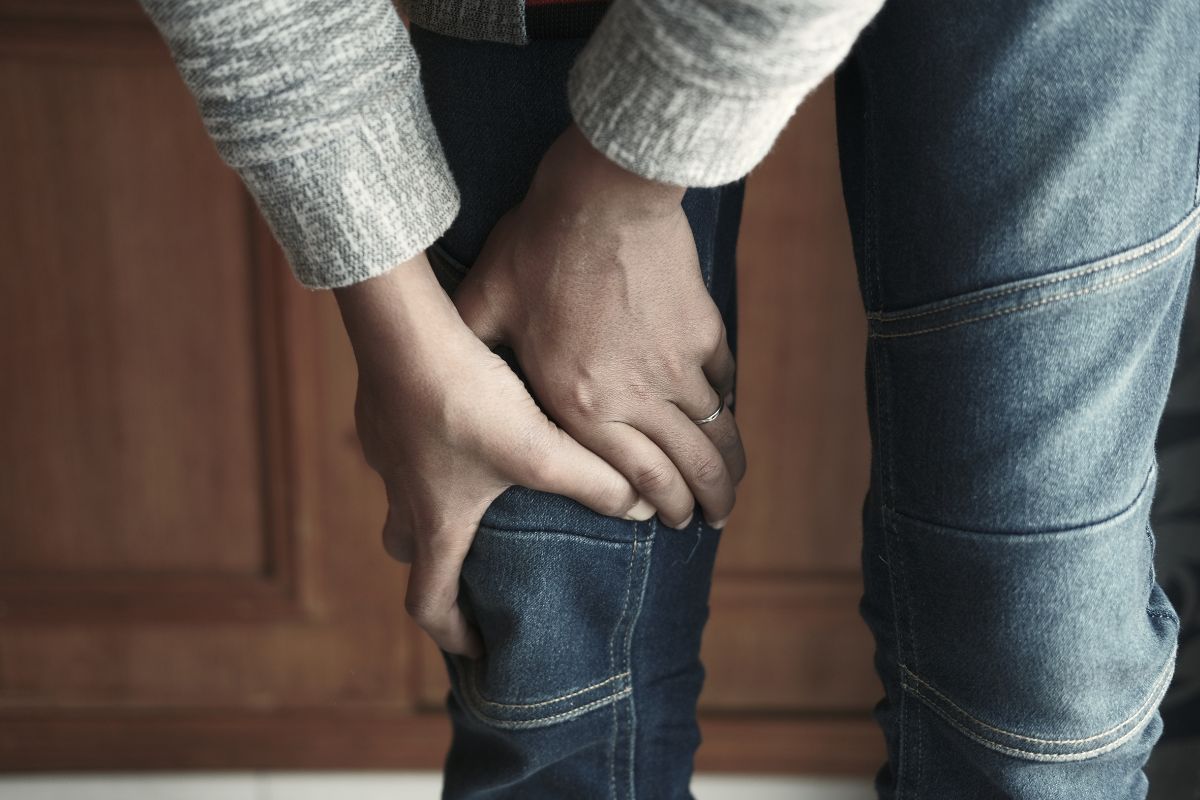
Knee osteoarthritis is one of the most common reasons adults develop persistent knee pain, but it is not an unavoidable part of aging. The condition develops when the cartilage cushioning the bones within the knee gradually wears away. As this smooth, protective layer becomes thinner, movement can become painful and the joint may increasingly feel stiff.
Healthy cartilage allows the knee to glide smoothly, absorb shock and protect the underlying bone. When this tissue deteriorates, the bones can begin to rub against each other, triggering inflammation and discomfort. Over time, the process can restrict how far the knee bends or straightens and make everyday activities increasingly difficult.
Beyond pain: wider health impacts
Doctors warn that the consequences of knee osteoarthritis extend well beyond pain within the joint itself. People who struggle to walk, climb stairs or stand for extended periods may reduce their working hours or leave the workforce altogether. Loss of mobility can also increase the risk of falls and related injuries.
Reduced movement can contribute to a more sedentary lifestyle, which is associated with higher rates of heart disease, type 2 diabetes and some cancers. Research suggests that more than 30 million adults in the United States live with osteoarthritis, with the knee being the joint most commonly affected.
Although osteoarthritis is strongly associated with older age, experts note that approximately half of cases occur among people who are still of working age. Women, older adults, people who have previously injured a knee and those with a family history of osteoarthritis face a higher risk. Excess body weight and weak leg muscles can place additional strain on the knee joints.
Managing symptoms and slowing progression
Specialists emphasize that lifestyle changes can significantly reduce symptoms among people who already have knee osteoarthritis. Strengthening the thigh muscles, particularly the quadriceps, can help stabilize the joint and reduce pain during movement. Supervised physical therapy programs are often recommended to improve strength, flexibility and balance.
Weight management is another important strategy. Even modest weight loss can reduce the mechanical load placed on the knees. Clinicians estimate that losing 10 pounds may reduce the force exerted on each knee by approximately 40 pounds with every step, potentially translating into less pain and improved function.
Medical treatments can complement lifestyle approaches when symptoms persist. Nonsteroidal anti-inflammatory drugs may help relieve pain and swelling for some patients. Injections, including cortisone and other therapies, can provide short-term relief, although their long-term use is carefully monitored.
For people with advanced joint damage who no longer respond adequately to conservative treatment, knee replacement surgery may be considered. Modern joint replacement techniques can restore mobility and improve quality of life for many patients. However, surgeons generally reserve the procedure for cases in which knee problems significantly interfere with everyday activities.
Lowering your risk over time
Many of the same measures used to manage knee osteoarthritis may also help reduce the likelihood of developing the condition. Regular physical activity that strengthens the muscles surrounding the knee, including walking, cycling and appropriately planned strength training, can help protect the joint. Contrary to a common belief, recreational running is not automatically harmful to healthy knees when performed sensibly and at an appropriate intensity.
Maintaining a healthy weight remains one of the most effective ways to limit stress on the joints. Additional body weight increases the load transmitted through the knees with each step, accelerating cartilage wear. Public health guidelines encourage combining calorie awareness with regular physical activity to maintain weight within a recommended range.
Diet can also influence joint health. Eating more plant-based foods, including fruits, vegetables, whole grains and legumes, while limiting highly processed and sugary foods can help reduce inflammation throughout the body. Such an eating pattern may not cure osteoarthritis, but it can support overall health and reduce the broader burden associated with joint disease.
Family history does not seal your fate
Experts emphasize that having a family history of osteoarthritis does not guarantee that a person will develop the condition. Genetics play a role, but environmental and lifestyle factors can also significantly influence individual risk. This means people can take proactive steps to protect their knees even when close relatives have experienced joint problems.
Working closely with health care providers can help patients develop individualized plans addressing pain, mobility and long-term prevention. Doctors and physical therapists can also connect people with community exercise programs, weight-loss support and other resources that make healthier habits easier to maintain.
Knee osteoarthritis can significantly affect everyday life, mood and independence, but it is not entirely beyond personal control. By remaining physically active, managing body weight and seeking professional guidance when knee pain first appears, many people can reduce their symptoms and help protect their joint health as they age.
