
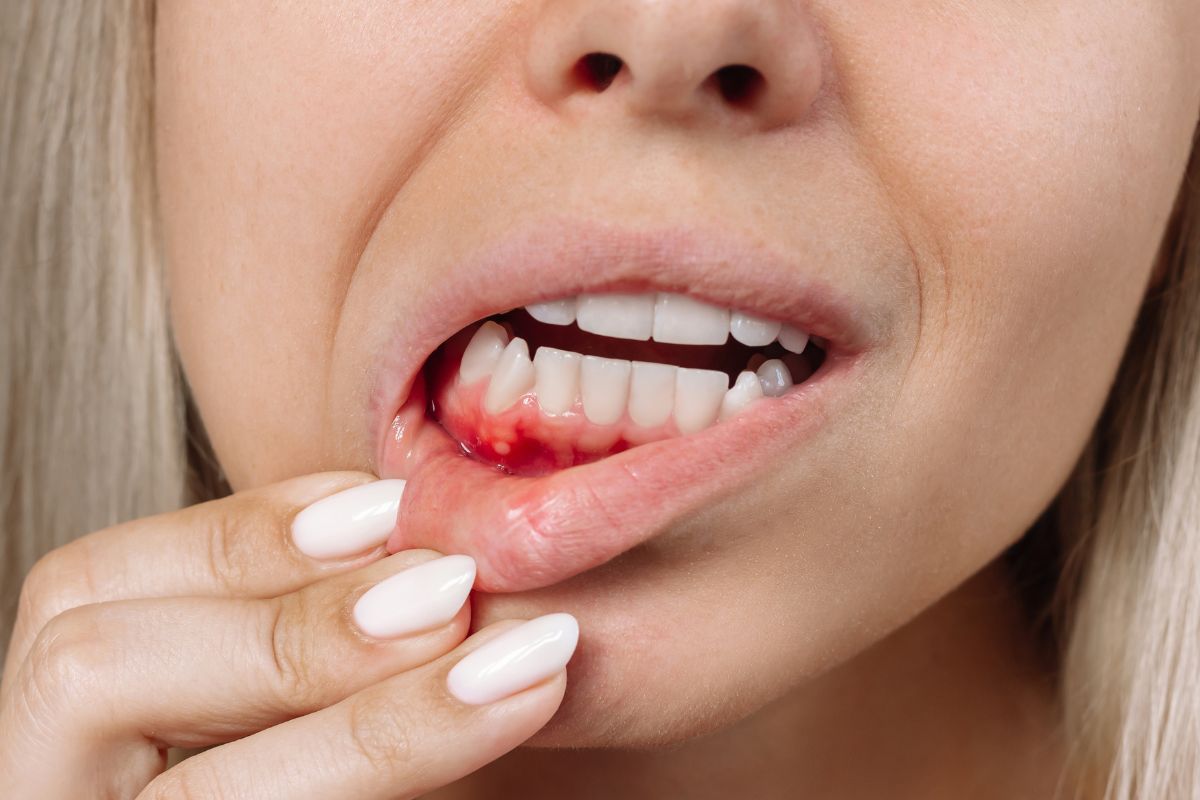
A growing body of research is strengthening the link between oral health and brain health. A new long-term Japanese study suggests that common gum problems may significantly increase the risk of dementia, including Alzheimer’s disease.
Although dementia is widely viewed as a brain-centered condition, scientists are increasingly investigating how chronic inflammation and infections elsewhere in the body might influence cognitive decline. Oral health, often overlooked, is emerging as a potentially important factor.
New evidence from a decade-long study
The latest analysis, published in the Journal of Clinical Periodontology, followed nearly 1,400 adults in Japan for approximately 10 years. Researchers closely tracked participants’ gum health and monitored them for signs of dementia over time.
Compared with participants who had the least gum bleeding, those with the most bleeding were 56 percent more likely to develop any type of dementia during the study period. Their risk of being diagnosed specifically with Alzheimer’s disease was 61 percent higher.
Receding gums were also strongly associated with neurological risk. Participants with the most severe gum recession had a 59 percent higher risk of all-cause dementia, while those with the deepest pockets between their teeth and gums showed a 72 percent higher risk.
Why gum disease may affect the brain
Bleeding and receding gums are key signs of active periodontal disease, an inflammatory condition driven by bacteria living below the gum line. This chronic inflammation does not necessarily remain confined to the mouth; it can enter the bloodstream and affect other organs.
The Japanese team suggests that persistent systemic inflammation might gradually weaken the blood–brain barrier, the protective shield that normally limits what can enter brain tissue. Once compromised, inflammatory molecules and immune cells may penetrate more easily and trigger neuroinflammation.
Over time, this process may damage neurons and increase the risk of Alzheimer’s disease and other forms of dementia. Recent research into gut and systemic inflammation supports the idea that an overactive immune response may be an important contributor to neurodegenerative disease rather than simply an after-effect.
The role of oral bacteria and infections
Beyond inflammation, oral pathogens themselves could play a more direct role in brain changes. In animal experiments, certain bacteria that cause gum disease have been shown to travel from the mouth to the brain following infection.
Once in brain tissue, these microbes have been linked to increased production of toxic proteins such as beta-amyloid, a hallmark of Alzheimer’s disease. Although findings from animal studies do not prove that the same mechanism occurs in humans, they provide biological plausibility for the oral–brain connection.
Experts caution that the new Japanese study is observational and therefore cannot definitively establish cause and effect. Lifestyle, diet, access to health care and genetic factors might also contribute to the observed dementia risk, even after statistical adjustments.
Public health implications and next steps
Gum disease is extremely common, affecting more than 40 percent of adults over 30 in the United States, according to national estimates. If poor periodontal health does increase dementia risk, the potential public health impact could be substantial.
The authors, led by dental scientist Michiko Furuta of Kyushu University, argue that maintaining healthy gums could eventually become part of dementia prevention strategies. They emphasize, however, that larger and more diverse studies are needed to confirm the association.
Researchers also hope to determine why some forms of dementia appear to be more closely associated with oral health than others. In the Japanese study, relatively few participants developed vascular dementia, making it difficult to compare risks across different dementia subtypes.
What this means for patients now
For now, neurologists and dentists alike say that maintaining good oral hygiene is a low-risk step with multiple potential benefits. Regular brushing, flossing and dental checkups already help protect against tooth loss, pain and cardiovascular problems.
If future research confirms that gum health meaningfully influences brain aging, everyday dental care may become a simple tool for helping lower dementia risk alongside exercise, blood pressure control and a balanced diet.
Until then, scientists are continuing to investigate how immune responses, inflammation and microbes interact with the brain. As one leading neurologist has noted, the immune system is increasingly viewed not as a bystander but as an active player in neurodegenerative disease.
The new findings add weight to a straightforward message from clinicians: bleeding or receding gums should not be ignored. Taking oral health seriously today may ultimately benefit both dental health and long-term cognitive health.
