
A routine hospital visit for blood in the urine led doctors in China to a far more alarming discovery: a sewing needle lodged inside a man’s heart. The rare and complex case was detailed by cardiologists at Hunan Provincial People’s Hospital.
The 35-year-old patient, who has an intellectual disability, arrived with painful urination and hematuria, but his vital signs appeared normal. Initial examinations did not suggest obvious cardiac problems, and he reported no chest-related symptoms.
Scans reveal hidden metal objects
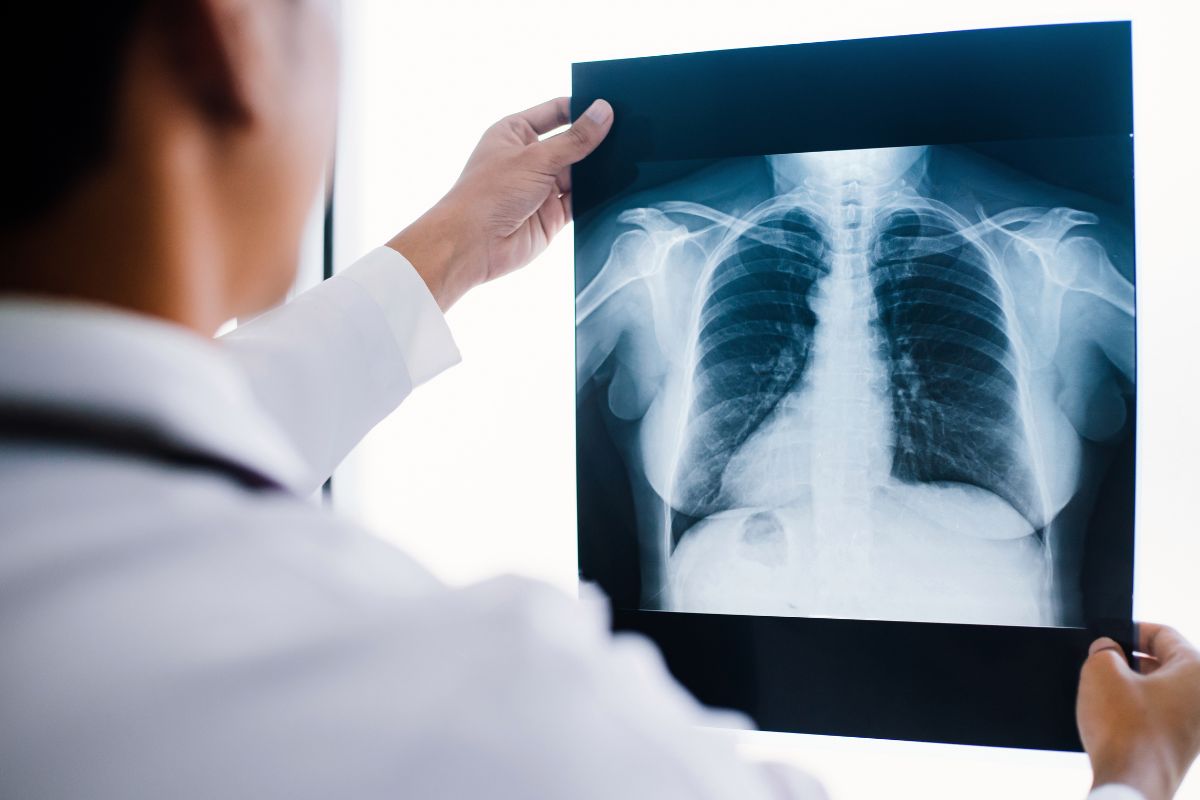
When doctors performed chest imaging, they noticed an unusual shadow near the heart. A subsequent CT scan of the chest, abdomen and pelvis revealed several metallic foreign bodies scattered throughout the man’s body.
Needles were discovered in the abdominal wall, pelvis, bladder wall and cavity, hip bone, hip muscles and penis. One needle, measuring approximately 36 millimeters, had pierced the sac surrounding the heart and extended into the left ventricle.
Despite the needle’s location, the man showed no clear cardiac symptoms such as chest pain, palpitations or shortness of breath. His heart continued to function, although surgeons later observed early signs of ventricular dilation.
High-risk heart surgery and recovery
Cardiac surgeons determined that the needle inside the heart posed the most immediate danger because of the potential for migration, rupture or infection. They performed open-heart surgery to remove the object under controlled conditions.
During surgery, doctors confirmed that the tip of the needle was embedded deep within the left ventricular cavity. The surgical team successfully removed the foreign body and repaired the affected heart tissue.
Removal of the needles in the bladder and pelvis was postponed until a later procedure. Some had developed stone-like deposits around them, suggesting they had remained inside the body for an extended period before being discovered.
Mystery over how the needles entered
Neither the patient nor his family could explain how the needles entered his body, according to the case report published in BMC Cardiovascular Disorders. There was no clear history of an accidental injury or assault.
Clinicians raised the possibility of intentional self-insertion, a rare form of self-injury known as self-embedding behavior. The phenomenon has been associated with psychiatric disorders and severe emotional distress.
The patient’s medical history included an operation two years earlier to remove needle-like objects from his abdomen. However, the current medical team did not have complete access to those records, leaving the exact pattern of behavior uncertain.
A rare and easily missed condition
International case reviews suggest that deliberate insertion of needles into the heart is exceptionally rare. A 2024 analysis identified only a few dozen reported cases worldwide dating back to the late 1960s.
Foreign bodies in the heart can remain undetected for months or even years because the organ may continue functioning without producing immediate or specific symptoms. Diagnosis can therefore depend on medical imaging or a patient directly disclosing self-harm.
Previous reports have described cardiac needles discovered long after insertion, sometimes only after symptoms such as chest pain or complications including infection, arrhythmia or pericardial effusion developed.
Call for greater clinical vigilance
The Chinese medical team warns that foreign objects inside the heart can remain clinically silent, particularly in people with cognitive impairment or limited ability to communicate. They urge clinicians to maintain a high level of suspicion when faced with unexplained or unusually complex presentations.
The doctors also highlight the importance of early psychiatric assessment and long-term follow-up when self-embedding behavior is suspected. Coordinated care involving cardiology, urology and mental health services is considered crucial.
The patient reportedly recovered well following staged surgical procedures. However, the unanswered question of how the needles entered his body raises continuing concerns about his mental health and future safety.
Health agencies emphasize that anyone experiencing thoughts of self-harm should seek immediate assistance from emergency services or dedicated crisis hotlines, which are available around the clock in many countries.
