
Concerns about penis size remain one of the most taboo subjects in male sexuality, yet they can influence self-esteem, relationships and a booming market for enhancement products. Many men spend significant amounts on pills, devices and even surgery despite limited evidence and potential medical risks.
Specialists warn that focusing on becoming larger often fails to address the underlying problem. In many cases, dissatisfaction with penis size may be driven less by anatomy than by distorted body image and cultural pressure. Psychology researchers and clinicians are increasingly examining why this particular insecurity can become so persistent.
Distorted idea of what is normal
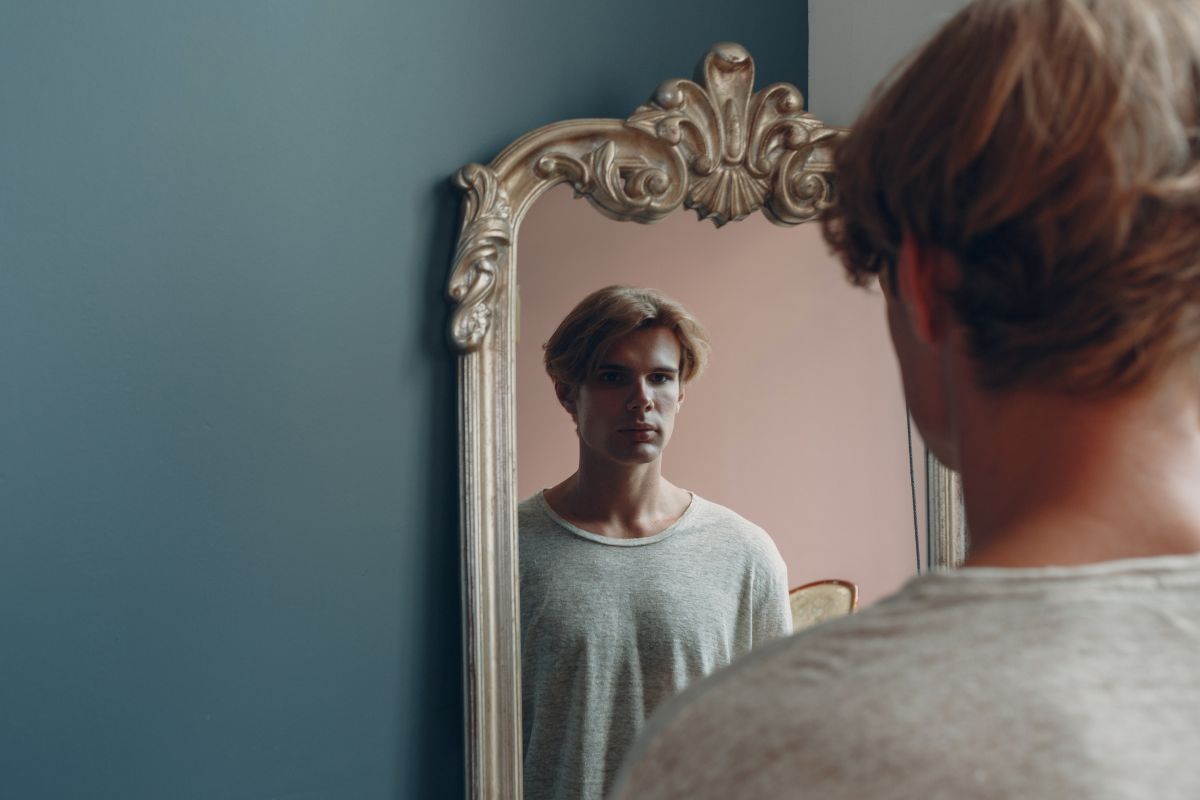
One important factor can be body dysmorphic disorder, in which a person becomes preoccupied with a perceived physical flaw that may appear minor or nonexistent to others. Urologists report that some men seeking enlargement procedures have an entirely average penis size but experience intense shame, anxiety and persistent comparison with others.
These men may repeatedly search for new ways to change their bodies and avoid situations such as communal showers or medical examinations. Sexual desire may remain intact, but performance anxiety and low self-esteem can affect erection quality, satisfaction and intimacy. In these circumstances, surgery may do little to address the underlying concern.
Therapists emphasize that cognitive-behavioral therapy and sex therapy can be more effective than cosmetic interventions when psychological distress is driving the problem. Challenging unrealistic beliefs and reducing obsessive checking and comparison may provide relief without the medical risks of an invasive procedure. Treatment of accompanying depression or anxiety can also form part of comprehensive care.
Scientific studies place average erect penis length at roughly 13–14 centimeters, with considerable natural variation. Yet pornography and social media frequently present above-average bodies, while camera angles, editing and performer selection can further distort perceptions of what is typical.
Locker-room comparisons and jokes in popular culture can reinforce the idea that genital size represents masculinity. Men may repeatedly measure themselves and compare their bodies against unrealistic standards, judging themselves not against actual averages but against a carefully selected and exaggerated image.
What partners really value in bed
Research also suggests that many men overestimate how important penis size is to their partners. A large international survey involving more than 50,000 heterosexual participants found that only around 55% of men were satisfied with their penis size, while approximately 45% wanted to be larger.
Women in the same survey mostly considered their partner’s size adequate and placed greater importance on factors such as emotional connection, foreplay and communication. Other research similarly indicates that sexual satisfaction for many women is connected with how they are treated and whether their needs are recognized rather than with a particular measurement.
Research also suggests that factors outside the bedroom can influence sexual desire. A 2023 study found a strong association between women’s sexual interest and the fair division of household labor. When a partner behaves more like an additional dependent than an equal adult, women’s sexual desire can decline.
Sex therapists argue that treating sex as a performance test can increase anxiety and reduce pleasure. When men become excessively focused on technique, appearance and perceived adequacy, they may pay less attention to their own sensations and their partner’s responses. This can contribute to a cycle of tension and disappointment.
Beyond centimeters and stereotypes
Experts emphasize that penis-size myths are closely connected with broader cultural ideas about masculinity. Stereotypes can associate virility, dominance and success with physical characteristics, including genital size, despite a lack of scientific basis for such assumptions. Marketing for enlargement products can further capitalize on these insecurities.
Medical organizations warn that many non-surgical enlargement methods are ineffective, while some injections, implants and unregulated procedures can cause serious complications. Reported risks include scarring, deformity, pain and impaired sexual function. Physicians therefore recommend careful psychological assessment before elective enlargement procedures.
For men whose concerns become persistent and intrusive, mental health support can be important. Working with a psychologist or sex therapist may help separate personal identity from physical measurements and encourage a more realistic and compassionate perception of the body. In some cases, partners may also benefit from counseling together.
Specialists emphasize that sexual wellbeing is multidimensional and influenced by communication, mutual respect, emotional safety and health. Confidence and openness can matter more to satisfying sexual experiences than centimeters on a ruler. Focusing on shared pleasure rather than perceived physical standards may gradually reduce the influence of size-related anxiety.
Ultimately, the cultural fixation on penis size may reflect insecurity and social messaging as much as anatomy. As conversations around male mental health and sexuality become more open, clinicians hope that fewer men will experience these concerns in silence or turn to potentially risky procedures. Addressing unrealistic expectations through evidence, psychological support and more open communication may contribute to healthier sexuality and body image.
