
Low-carbohydrate diets remain a popular choice for weight loss, with surveys suggesting that about 7% of Americans followed a low-carb eating plan in 2024. Clinical research has linked strict low-carbohydrate and ketogenic diets with improvements in metabolic health, liver function and blood sugar control.
However, these diets can be difficult to maintain over time, and many people eventually return to more conventional eating patterns. Researchers have therefore begun examining what happens inside the body when someone moves from a very-low-carbohydrate diet back to meals containing substantially more carbohydrates.
Inside the new diet experiment
A new study published in the Cell Press journal Cell Reports Medicine examined this transition in detail. Researchers from NYU Langone Health analyzed data from a controlled feeding trial involving 54 adults aged 18 to 50 who were overweight or obese but did not have diabetes or cardiovascular disease.
Participants first completed a run-in phase on a very-low-carbohydrate diet, receiving prepared meals designed to reduce calorie intake by 40%. This regimen produced an average weight loss of approximately 15% before any further dietary changes were introduced.
After reaching that target, participants were randomly assigned to one of three diets for 10 weeks. One group continued the very-low-carb diet, while the other two switched to higher-carbohydrate diets with identical macronutrient proportions but differing in the type of carbohydrate provided.
Refined starch versus added sugar
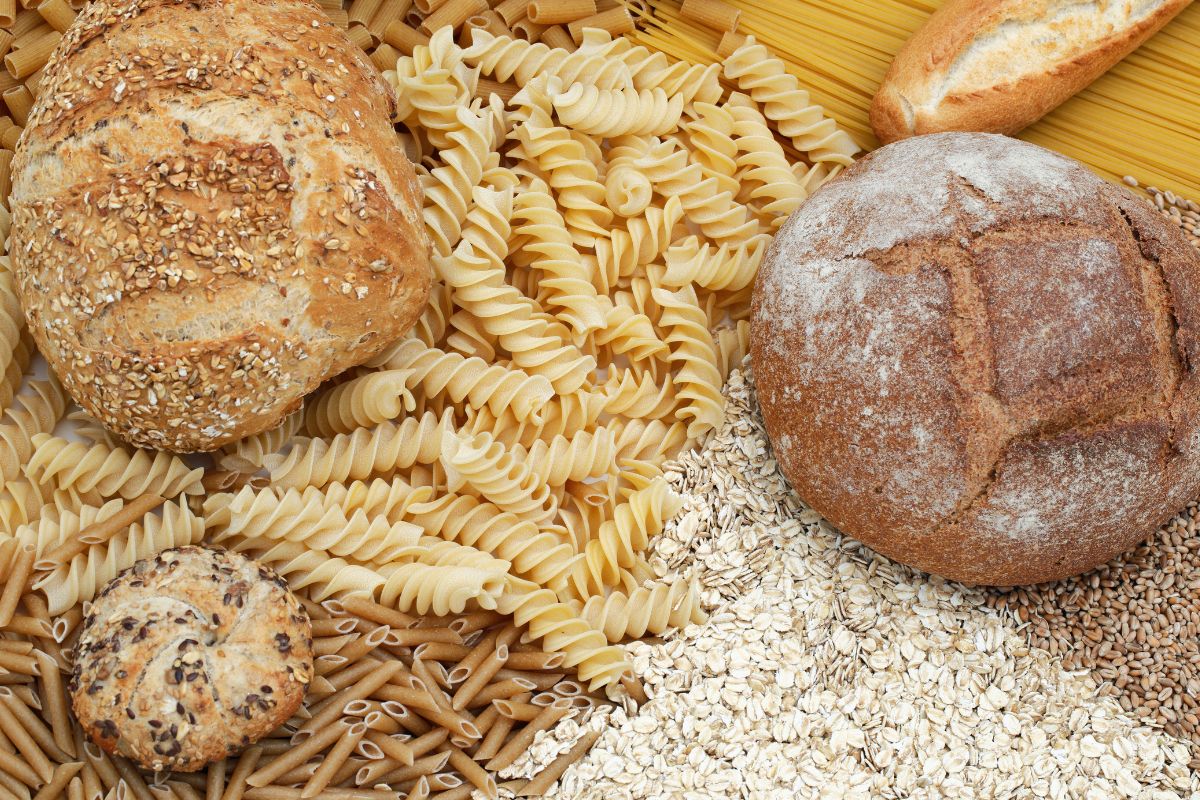
Both higher-carbohydrate diets provided 57% of calories from carbohydrates, 25% from fat and 18% from protein. In one group, 20% of total energy came from starch in refined grains such as white bread and pasta. In the other, the same proportion came from added sugars including sucrose and fructose.
Blood samples from around 40 participants showed that these differences in carbohydrate sources were associated with distinct immune responses. The refined-starch diet produced stronger signs of inflammatory activity than either the very-low-carbohydrate diet or the high-sugar diet.
Participants following the high-starch diet had higher levels of adipsin, a signaling protein associated with inflammatory activity. Immune cells including CD4+ T cells and neutrophils also showed greater activation, indicating differences in immune activity between the diets.
What rising inflammation could mean
To investigate the potential mechanism further, researchers conducted experiments in mice. Animals given maltodextrin, a starch-derived carbohydrate, after fasting showed increased immune activity, resembling patterns observed in the human data and providing additional evidence that starch-derived carbohydrates can influence immune pathways.
Immune activation is not inherently harmful, as it is essential for protecting the body against infection. Persistent low-grade inflammation, however, is associated with obesity and with conditions including cardiovascular disease and insulin resistance.
Interestingly, participants consuming the high-sugar diet showed the lowest levels of immune activation among the three groups. The researchers cautioned that this should not be interpreted as evidence that added sugar is healthier, as reducing particular immune responses could potentially have other consequences, including effects on the body’s response to infection.
Why refined grains may drive risk
The researchers suspect that post-meal blood glucose responses could help explain the findings. Refined grains can produce substantial increases in postprandial glucose, particularly when they have a high glycemic index.
These increases may influence the complement system, a component of innate immunity capable of activating downstream inflammatory pathways. Repeated activation could potentially contribute to metabolic stress over time, including after substantial weight loss.
The study nevertheless has important limitations. The dietary intervention lasted only 10 weeks, and the immune analyses involved a relatively small number of participants. Longer studies involving larger and more diverse populations will be needed to determine how persistent and clinically important the observed immune differences are.
The findings add another dimension to research examining how different carbohydrate sources affect health. They indicate that after weight loss on a very-low-carbohydrate diet, returning to a diet high in refined starches may be associated with increased inflammatory immune activity even when previous weight loss has been maintained.
For people transitioning away from ketogenic or other low-carbohydrate diets, the research also draws attention to the type of carbohydrates being reintroduced. Minimally processed, fiber-rich foods such as whole grains, legumes, fruits and vegetables provide alternatives to diets dominated by refined grains while allowing a less restrictive pattern of carbohydrate intake.
