
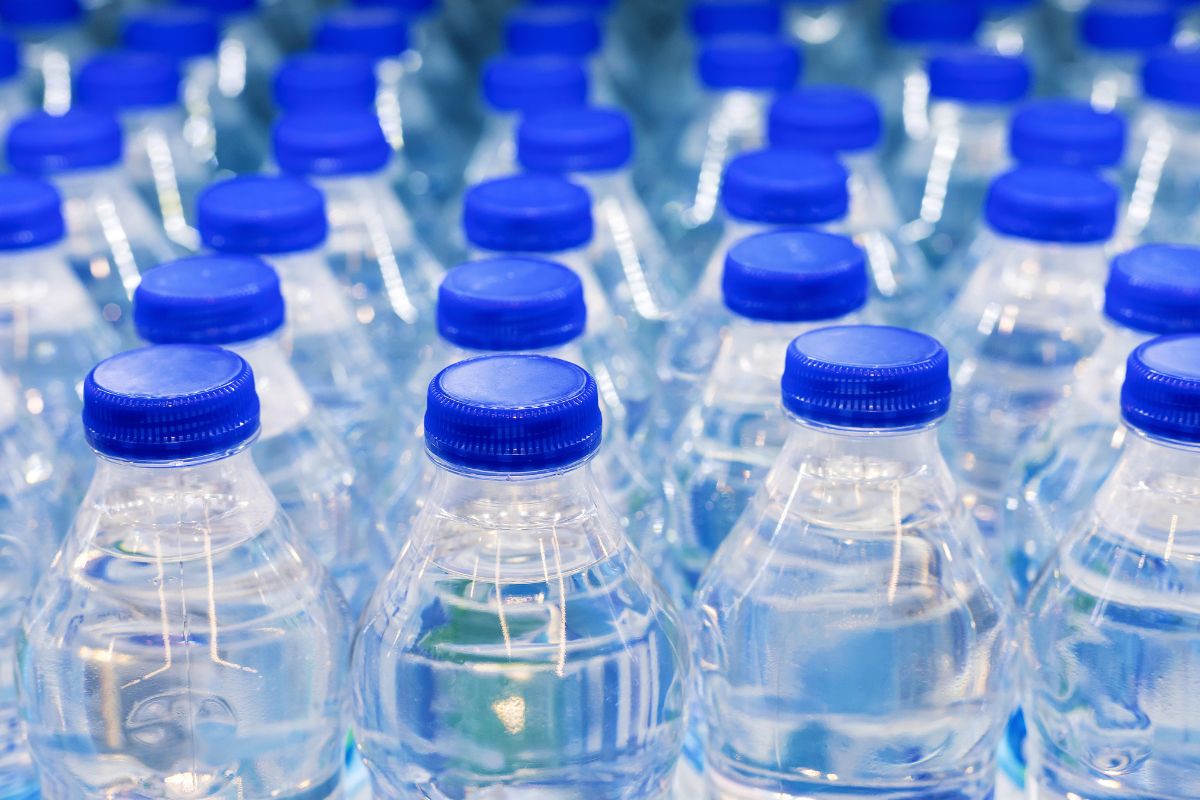
Scientific research suggests that premium bottled water does not necessarily hydrate healthy people better than safe tap water. For most consumers, the key consideration is not brand or price, but whether the water meets appropriate safety and quality standards.
Water from different sources naturally varies in mineral composition. As it moves through rocks and soil, it can acquire calcium, magnesium, sodium and bicarbonate, affecting its taste and mineral content. Mineral-rich water can contribute modest amounts of certain nutrients, depending on its composition and how much is consumed.
Marketing terms such as “alkaline” or “mineral-rich” may imply superior health benefits, but they do not necessarily indicate that a product is healthier. Total dissolved solids, or TDS, measure the concentration of dissolved substances in water, but the number alone does not determine safety or health value.
Similarly, the higher pH of alkaline water does not automatically provide additional health benefits. The body tightly regulates its acid-base balance through mechanisms involving the lungs and kidneys, and drinking water within normal consumption ranges does not substantially alter this balance in healthy people.
Tap water and bottled water standards
In many countries, including Poland, bottled water should not automatically be assumed to be cleaner or safer than tap water. Municipal supplies are subject to regulatory standards and routine monitoring, although specific requirements and testing frequencies vary by jurisdiction and type of bottled water.
Some bottled products may originate from municipal water supplies and undergo additional treatment before being packaged. Price differences can reflect processing, transportation, packaging and marketing rather than clinically meaningful differences in hydration.
Potential contaminants are relevant to both tap and bottled water. PFAS and nitrates can occur depending on the source and surrounding environment, while lead in tap water is often associated with plumbing and service lines rather than treated water leaving the utility.
European and North American regulations establish limits or standards for numerous contaminants. People concerned about their tap water can check information from their local water supplier or consider appropriate testing, particularly when living in older buildings where plumbing may affect water quality.
What research says about microplastics
Microplastics and nanoplastics have become another concern in discussions about bottled water. Studies have detected plastic particles in bottled water, although concentrations vary substantially according to the analytical methods, products and particle sizes examined.
A 2024 study reported approximately 240,000 detectable plastic particles per liter, on average, across the bottled-water samples analyzed, with the majority classified as nanoplastics. The finding attracted particular attention because earlier analytical techniques had difficulty detecting particles at such small scales.
Plastic packaging is one potential source, but particles can also enter water during processing and bottling. Comparisons between bottled and tap water have found microplastics in both, and concentrations can vary considerably between studies and locations.
Micro- and nanoplastics have also been detected in human tissues and biological samples. However, scientists are still investigating what these findings mean for human health, and the long-term consequences of typical environmental exposure remain uncertain.
Using glass rather than plastic bottles does not necessarily eliminate particle exposure. Caps, processing equipment and other parts of production and packaging can contribute particles, making the relationship between container material and exposure more complicated than it may initially appear.
How to choose water safely
For people with access to a reliable drinking-water supply, a higher price does not automatically mean healthier water. Mineral composition and taste can differ, but premium branding itself provides no evidence of superior hydration or broader health benefits.
If local tap water complies with applicable safety standards and household plumbing does not introduce contaminants, it can be a practical and lower-waste option. Filters may be useful for particular concerns, but the appropriate type depends on the contaminant being targeted and filters need to be correctly maintained.
Bottled water remains useful when municipal supplies are unsafe or disrupted, during emergencies, or when traveling in places where drinking-water quality is uncertain. In those circumstances, appropriately produced and sealed bottled water can provide a practical alternative.
Ultimately, adequate hydration and access to safe drinking water matter more than premium labels. Checking local water-quality information and understanding the source and composition of drinking water can help consumers make decisions based on evidence rather than price or marketing.
