
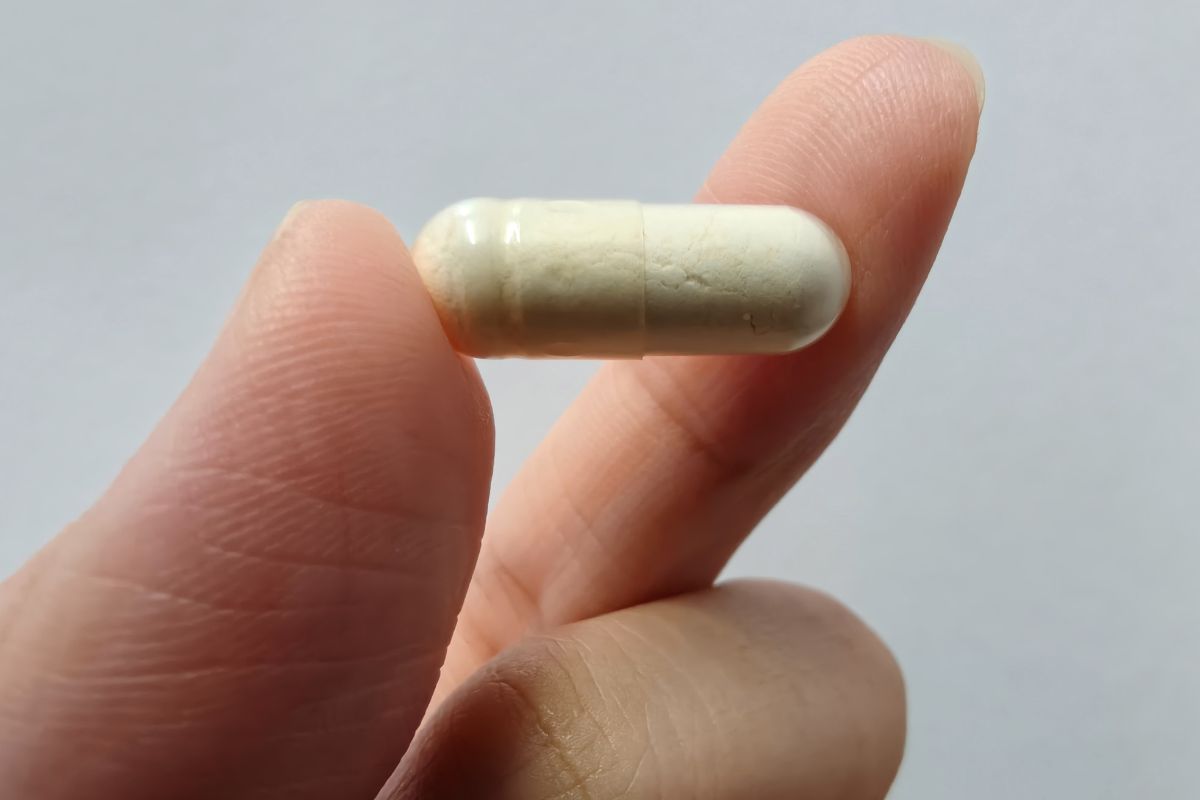
Probiotic supplements line supermarket shelves and flood social media feeds with promises of better gut health, stronger immunity and lower disease risk. Capsules, powders and probiotic-fortified foods are marketed as an easy shortcut to a healthier microbiome. Yet the scientific evidence behind many of these broad claims is far less convincing than the hype suggests.
In scientific terms, probiotics are live microorganisms that, when consumed in adequate amounts, are intended to confer a health benefit. Many products contain strains of Lactobacillus or Bifidobacterium, bacteria commonly found in the human gut and associated with various health markers. For example, higher levels of certain bifidobacteria have been associated with lower obesity rates, while reduced levels of some lactobacilli have been linked to cardiovascular risk.
This has led to the appealing idea that swallowing targeted bacteria could remodel the gut ecosystem and help prevent disease. However, the gut microbiome is extraordinarily complex, comprising hundreds of species that interact with each other and with the host. Adding one or a few strains through a supplement may be too simplistic an approach to meaningfully re-engineer this intricate system.
One researcher has likened probiotics to dropping thousands of identical trees into the middle of the Amazon rainforest and expecting the entire ecosystem to improve. In some situations, the new trees might help, but they could also disrupt delicate balances or simply fail to take root. The same principle may apply in the gut, where a narrow bacterial mix does not necessarily integrate or produce the intended effects.
Evidence for probiotics remains mixed
Despite the booming market, research has failed to consistently demonstrate broad benefits from probiotic supplements. Many small clinical trials have reported positive effects, but studies vary substantially in methodology, sample size and the strains and doses tested. The field has also faced research-integrity concerns, with a number of randomized trials subsequently retracted.
When scientists focus on larger, well-controlled studies, the picture becomes less compelling for several widely promoted uses. One of the largest trials assessing probiotics for preventing common colds, published in 2021, found no meaningful difference in cold severity between participants taking probiotics and those receiving a placebo.
Evidence is similarly uncertain in other areas. High-quality studies have not established consistent benefits for probiotics in preventing or treating eczema, a condition frequently targeted by supplement marketing. In neonatology, a major trial involving 618 preterm infants found no significant protective effect for key health outcomes, despite earlier optimism surrounding probiotic use.
Even infectious diarrhea, one of the best-known proposed uses for probiotics, has produced mixed results. A 2020 systematic review pooling 82 trials and more than 12,000 participants found that, when analyses were restricted to studies at low risk of bias, probiotics made little or no difference to the number of people experiencing diarrhea lasting 48 hours or longer.
Potential risks in some groups
Beyond uncertain benefits, there are concerns about possible harms in specific populations. A 2021 Cochrane review examining probiotics for the prevention of gestational diabetes found little or no evidence of benefit. More concerningly, the analysis indicated a probable increase in the risk of pre-eclampsia, a serious pregnancy complication involving high blood pressure and potential organ damage.
Another Cochrane review examining probiotics in women already diagnosed with gestational diabetes identified potential improvements in some metabolic outcomes. However, concerns surrounding the reliability of portions of the underlying evidence make those apparent benefits difficult to interpret with confidence.
Part of the challenge is that “probiotics” is an umbrella term rather than a single standardized treatment. Commercial products differ substantially in bacterial species, individual strains, doses, combinations and manufacturing quality. Two products sold as probiotics may therefore have very different biological effects.
It is also possible that benefits, where they exist, depend on specific bacterial strains or combinations and on characteristics of the person taking them. Timing, dose, duration of treatment and the existing gut microbiome could all influence outcomes. Much remains to be established before such factors can routinely guide treatment.
Marketing has moved faster than the science
Commercial enthusiasm has outpaced definitive evidence, with probiotics promoted or investigated for conditions ranging from allergies and metabolic disease to mental health disorders, autoimmune conditions and treatment-related side effects. Some targeted applications may prove useful, but findings cannot automatically be generalized from one probiotic strain or condition to another.
When attention is restricted to larger and more rigorous randomized trials, probiotics often fail to produce the dramatic benefits implied by broad marketing claims. Even positive findings may apply only to the particular strain, dose and population that were studied.
One area in which certain probiotics may offer benefits is gastrointestinal problems associated with disruptions of the gut microbiota. Evidence suggests that some specific strains or combinations can reduce the risk of antibiotic-associated diarrhea in certain patients. However, these effects are not shared by every probiotic product.
Food versus probiotic supplements
For people who simply want to support general gut health, fermented foods can form part of a varied diet. Foods such as yogurt containing live cultures, kimchi, kefir and sauerkraut provide microorganisms alongside other components of whole foods.
They should not be regarded as treatments or guaranteed ways to improve the microbiome, but they can fit comfortably within healthy dietary patterns. More broadly, a varied diet rich in plant foods and dietary fiber provides substrates used by many existing gut microbes.
By contrast, over-the-counter probiotic pills and powders can vary considerably in formulation, quality and viable microorganism counts. Given the inconsistent evidence for broad health benefits, routine supplementation in otherwise healthy people should not be assumed to provide meaningful protection against disease.
Probiotics should also not replace evidence-based medical care. People with serious illnesses or compromised immune systems should discuss probiotic use with a clinician, as rare cases of bloodstream and other invasive infections caused by organisms used in probiotic products have been reported.
Microbiome science is advancing rapidly, and future treatments may involve precisely selected strains or sophisticated microbial communities tailored to particular diseases or patients. For now, however, the evidence supports a more measured message: probiotics are not a single treatment, their effects are strain- and condition-specific, and broad claims about improving immunity or preventing disease remain inadequately supported.
