
A Mediterranean-style diet may influence how we age by boosting tiny protective proteins inside cells, according to new research from the USC Leonard Davis School of Gerontology. The study links this traditional eating pattern to mitochondrial microproteins that could help protect the heart and brain.
Mitochondria are best known as the energy producers of cells, but scientists increasingly recognize them as signaling hubs that help regulate metabolism, inflammation, stress responses, and aging. Researchers found that older adults who most closely followed a Mediterranean diet had higher blood levels of two mitochondrial microproteins, humanin and SHMOOSE.
These microproteins have previously been associated with a lower risk of cardiovascular disease and neurodegeneration, including conditions such as Alzheimer’s disease. Lead author Roberto Vicinanza said the findings suggest that microproteins may act as molecular messengers that translate diet into cellular aging processes. The study points to a new biological pathway that could help explain the health benefits of Mediterranean eating.
How the diet shapes aging biology
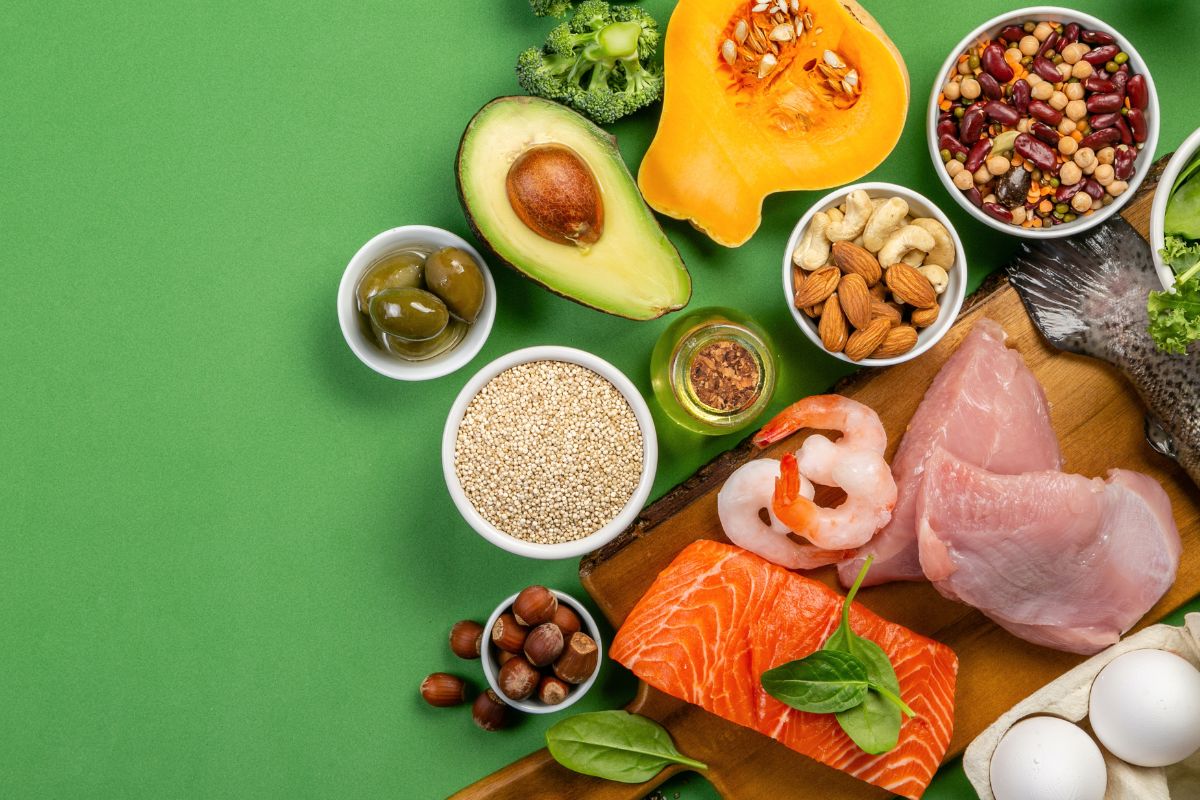
The Mediterranean diet emphasizes olive oil, fish, legumes, fruits, vegetables, nuts, and whole grains while limiting refined carbohydrates and heavily processed foods. Large observational studies and clinical trials have linked this eating pattern to lower rates of heart disease, type 2 diabetes, cognitive decline, and premature death.
In the new study, researchers analyzed blood samples from older adults with varying levels of adherence to the Mediterranean diet. Participants who scored highest for adherence had significantly higher concentrations of humanin and SHMOOSE than those who followed the diet less closely.
These individuals also showed lower markers of oxidative stress, a form of cellular damage that occurs when reactive oxygen species overwhelm the body’s antioxidant defenses. Chronic oxidative stress can damage DNA, proteins, and cell membranes and has been linked to aging and numerous chronic diseases.
Olive oil, fish, and legumes stand out
The team found that specific components of the Mediterranean diet were particularly associated with mitochondrial health. Higher consumption of olive oil, fish, and legumes was linked to increased levels of humanin, suggesting that these foods may support microprotein production.
Olive oil intake and lower consumption of refined carbohydrates were associated with higher levels of SHMOOSE. Refined carbohydrates, including white bread, pastries, and many sugary foods, are digested quickly and can cause sharp increases in blood sugar, which have been linked to metabolic and vascular stress.
Senior author Pinchas Cohen said humanin and SHMOOSE could eventually serve as biomarkers of adherence to the Mediterranean diet and its biological effects. As measurable signals in the blood, they may help clinicians track how strongly a person’s body responds to specific dietary patterns.
Tiny proteins, big potential impact
The study builds on more than two decades of research into mitochondrial peptides, much of it led by Cohen. While most human proteins are encoded by DNA stored in the cell nucleus, mitochondria carry a small, separate genome. Short regions of this mitochondrial DNA, once considered nonfunctional, can produce biologically active microproteins.
Humanin, first identified in 2003, is among the best studied of these molecules. Research has linked it to improved insulin sensitivity, protection of blood vessels, longer life span in animal models, and preservation of cognitive function. Higher humanin levels have also been associated with healthier aging profiles in several populations.
SHMOOSE, discovered more recently, has been associated with brain health and resilience to neurodegenerative processes. One variant in the SHMOOSE gene has been linked to a higher risk of Alzheimer’s disease, whereas the typical form appears to help protect neurons from amyloid-related damage.
Amyloid proteins can accumulate abnormally in the brain and form plaques, one of the hallmark features of Alzheimer’s pathology. The possibility that mitochondrial microproteins can influence this process is attracting increasing attention as researchers search for new approaches to prevention.
A new cardioprotective pathway?
The researchers also explored how humanin might interact with Nox2, an enzyme that helps generate reactive oxygen species. While these molecules play normal roles in cell signaling and immune defense, excessive production can damage tissues and accelerate vascular aging.
Higher blood levels of humanin were associated with lower Nox2 activity, suggesting that the microprotein may help restrain harmful oxidative pathways. This mechanism could provide an additional layer of protection for the heart and blood vessels in people who follow a Mediterranean diet.
The team proposes that the diet may improve cardiovascular health through two complementary mechanisms. Its nutrient composition may directly reduce oxidative stress while also increasing mitochondrial microproteins that further limit damaging cellular reactions.
From regional tradition to global model
Beyond the laboratory, Vicinanza has promoted the Mediterranean diet as a model that combines health, cultural heritage, and environmental sustainability. He has worked with the Italian municipality of Pollica, a UNESCO-recognized emblematic community for the Mediterranean diet, to raise its international profile.
This collaboration helped support the creation of the International Day of the Mediterranean Diet at the United Nations, to be observed annually on November 16. The day aims to raise awareness of how traditional dietary patterns can support both human health and ecosystem resilience.
Vicinanza said the new findings bridge centuries-old food traditions with modern molecular biology. The work supports the idea that diets low in ultra-processed foods and rich in minimally processed ingredients align with how human metabolism and mitochondria evolved over long timescales.
Toward precision nutrition strategies
The study was relatively small and observational, meaning it could identify associations but could not establish cause and effect. Factors such as physical activity, medications, genetics, and overall lifestyle might also help explain differences in microprotein levels among participants.
Even so, the findings contribute to a broader shift toward precision nutrition, which aims to tailor dietary recommendations to individual biology rather than relying solely on one-size-fits-all guidelines. Mitochondrial microproteins such as humanin and SHMOOSE could eventually help indicate whether a particular diet is producing beneficial cellular responses in an individual.
Future clinical trials will be needed to determine whether changing diet can directly increase these microproteins and whether such increases translate into a lower risk of heart disease, dementia, or metabolic disorders. Researchers also hope to understand how genetics, age, and environmental factors influence microprotein responses to food.
The study, titled “Mediterranean diet adherence is associated with mitochondrial microproteins Humanin and SHMOOSE; potential role of the Humanin-Nox2 interaction in cardioprotection,” was published in Frontiers in Nutrition. It was supported by U.S. National Institutes of Health funding and research awards focused on Alzheimer’s disease prevention and cardiovascular health.
