
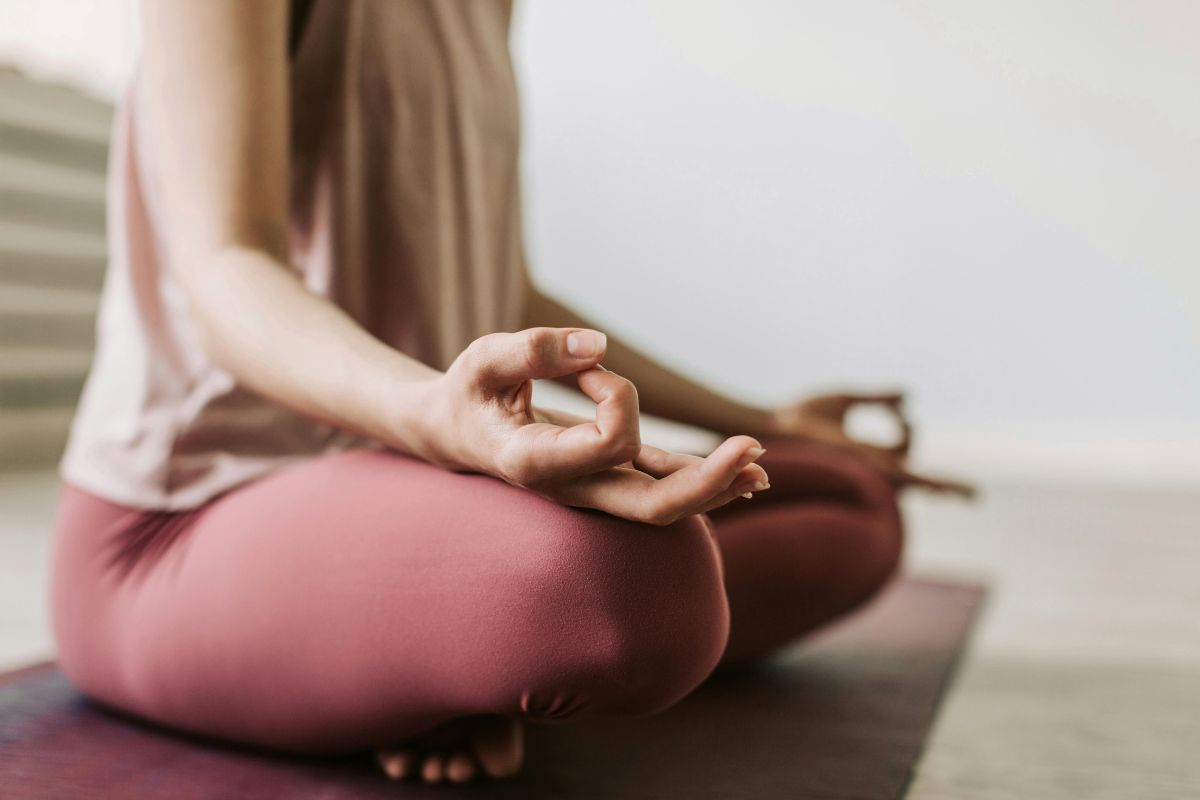
A week-long intensive meditation retreat may do far more than simply calm the mind, according to new research. Scientists report that seven days of immersive practice were linked to profound shifts in brain activity, blood chemistry, and subjective experience.
The study, published in Communications Biology in 2025, observed patterns in participants that resembled those seen after taking psychedelic substances. Researchers say the findings hint at a kind of neural reprogramming that could carry potential health benefits, though more rigorous trials are needed.
How the study was conducted
The research team, led by UC San Diego biomedical scientist Hemal Patel, followed 20 healthy adults attending a meditation and health retreat in San Diego. Participants were randomly chosen from a pool of more than 500 retreat attendees.
The group, averaging 46 years of age, included 11 experienced meditators and 9 novices. Over seven days, they took part in daily lectures, guided breathing and meditation sessions, and group healing rituals in which designated healers focused their attention on others.
Before and after the retreat, participants underwent functional MRI brain scans, blood tests, and completed the Mystical Experience Questionnaire, a validated tool often used in psychedelic research. No psychedelic substances were used during the retreat.
Brain networks and mystical states
Post-retreat brain scans showed reduced activity in the default mode network, a key hub involved in self-focused thinking and mind-wandering. Activity also decreased in the salience network, which helps the brain detect relevant internal and external stimuli.
Researchers reported a shift toward a more integrated whole-brain state, suggesting that information flowed more efficiently across regions. This pattern has previously been associated with altered states of consciousness, including those induced by psilocybin.
On the Mystical Experience Questionnaire, average scores rose from 2.37 to 3.02 after the retreat. The authors noted that this increase is similar in magnitude to changes seen in clinical trials involving psychedelic drugs, despite the absence of any such substances.
Biological changes in blood samples
The study also explored potential changes in neuroplasticity, the brain’s ability to reorganize and form new connections. When neurons in laboratory dishes were exposed to participants’ post-retreat blood plasma, they grew significantly longer neurites than cells treated with pre-retreat plasma.
Blood analysis revealed shifts toward glycolytic metabolism, a sign of altered cellular energy use. The team also saw signals of immune modulation and higher levels of endogenous opioids, the body’s own pain-relieving chemicals, suggesting that multiple physiological systems were affected.
Patel said the combined brain imaging and blood findings support the idea that meditation-based practices can influence the body on a broad scale. However, he emphasized that the observational design means the study cannot prove the retreat directly caused these changes.
Limitations and commercial ties
The authors acknowledged several important limitations. The sample size was small, there was no control group, and participants self-selected into a demanding wellness program, which may have influenced the outcomes.
In addition, co-author Joe Dispenza is the CEO of Encephalon, the company that runs the retreats examined in the study and markets related meditation and healing content. This commercial link raises potential conflicts of interest that will need careful consideration in future research.
Experts say that while the results are intriguing, they should be treated as an early signal rather than conclusive proof. Well-controlled trials, including comparison groups and longer follow-up, will be needed to determine how durable these effects are and who stands to benefit most.
Part of a wider evidence base
The new findings build on a growing body of work suggesting that meditation can reshape how the brain functions. Prior studies have shown changes in connectivity, attention, and emotional regulation after sustained practice.
Clinical research has also linked mindfulness and related techniques with reduced chronic pain, lower stress, and potential slowing of some markers of biological aging. However, the strength of evidence varies by condition, and not all studies report large or lasting benefits.
Researchers are now trying to identify which specific elements of intensive retreats, such as extended practice time, social context, or belief-based framing, contribute most to the observed changes. Answers to these questions will be crucial for designing safe, accessible interventions outside high-cost commercial programs.
For now, the UC San Diego team argues that their results support taking mind–body practices seriously as targets for biomedical investigation. They say future studies should isolate the active components of such retreats and test them in diverse populations, including people with mental health or chronic pain conditions.
As evidence accumulates, scientists hope to clarify whether structured meditation experiences can reliably induce psychedelic-like brain states in a controlled, drug-free way, and whether those states translate into meaningful, long-term health improvements.
