
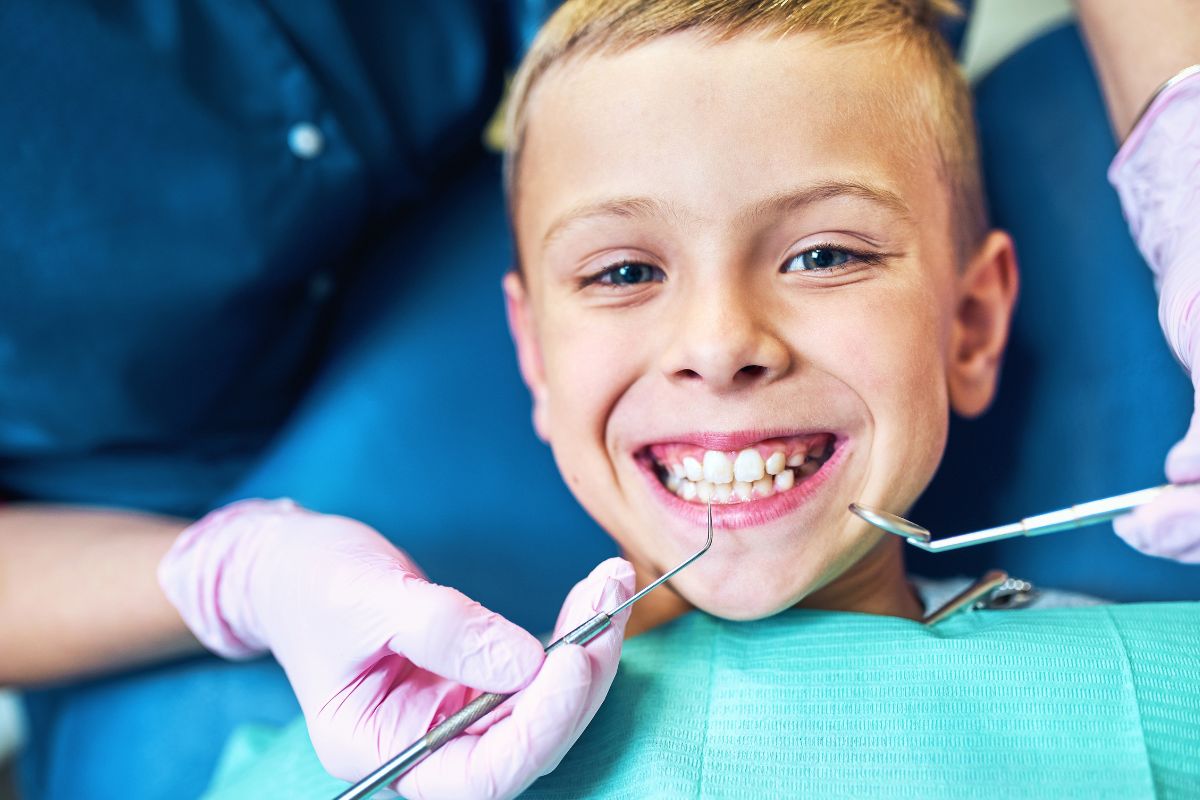
A quick paint-on dental treatment could soon change how dentists manage cavities in young children, after a large US trial found it can stop tooth decay without drilling or anesthesia. The therapy, called silver diamine fluoride, or SDF, was tested in 830 children under 6 with severe tooth decay.
Applied in about 10 seconds, SDF is brushed onto decayed baby teeth, where it kills bacteria and hardens remaining tooth structure. The clinical trial, launched in 2018 across three US sites, compared SDF with a placebo and followed children for six months after a single application.
How the treatment works
SDF combines silver, which has antimicrobial properties, with fluoride, which strengthens teeth. Once placed on a cavity, it helps halt the decay process and reduces the risk of infection and pain. Dentists have used similar compounds for decades in other countries.
In the US, SDF is already cleared by the Food and Drug Administration for treating tooth sensitivity in adults, but its use on children’s cavities is considered off-label. Researchers say stronger evidence is needed to support wider adoption in pediatric care.
New evidence from US children
In the new JAMA Pediatrics study, SDF arrested tooth decay in 54 percent of treated cavities after six months, compared with 22.5 percent in the placebo group. All participants had at least one severe cavity, and many came from underserved communities with limited access to dental clinics.
Researchers reported no significant differences in tooth pain between the two groups and only mild to moderate side effects, such as sore throats, which were not clearly linked to the treatment. They concluded the therapy was effective and safe even for children as young as 1 year old.
Benefits and key drawbacks
The main drawback of SDF is cosmetic: the treated decayed area turns permanently dark. While the stain is confined to the diseased part of the tooth, some parents may be reluctant to accept visible discoloration, particularly on front teeth.
For many families, however, the benefits can outweigh this concern. The treatment is noninvasive, fast, and inexpensive, and it can often be done without injections, drilling, or sedation. That is especially important for very young or anxious children who struggle with conventional dental care.
Access to care and public health
Dental decay remains one of the most common chronic conditions in US children. Federal data show that more than 1 in 10 kids aged 2 to 5 have at least one cavity in baby teeth, and nearly 1 in 5 children aged 6 to 8 are affected, with higher rates in low-income and minority communities.
Severe early childhood caries can cause pain, infection, and difficulty eating, and in some cases require treatment under general anesthesia. Long waits for hospital-based care can allow cavities to worsen, raising the risk of complications and higher treatment costs.
Potential shift to medical settings
Because SDF is simple to apply, the study’s authors argue it could be used not only by dentists but also in primary-care settings. Pediatricians and family doctors see children far more often than dentists in the first years of life, particularly in communities with few dental providers.
With proper training to recognize suitable cavities and refer complex cases, clinicians in medical offices could use SDF to stop early decay while families arrange ongoing dental care. Researchers say this could prevent many cavities from becoming painful or requiring surgery.
Regulatory and clinical outlook
The trial’s findings do not guarantee that the FDA will approve SDF specifically for treating childhood cavities, but experts say the results provide the type of high-quality, US-based data regulators and clinicians look for. Approval could drive broader use and better insurance coverage.
The study focused solely on baby teeth in children aged 1 to 6, so it does not establish whether SDF should replace fillings in permanent teeth. Dentists still expect to use traditional restorative treatments where teeth are badly damaged or cosmetic concerns are a priority.
Researchers say that, if adopted more widely, SDF would likely become a valuable addition to existing dental tools rather than a full replacement for fillings. It could be particularly useful in community programs, schools, and clinics that serve children with limited access to specialty dental care.
Experts emphasize that SDF is not a substitute for daily brushing with fluoride toothpaste, limiting sugary foods and drinks, and regular dental visits. Instead, it offers a promising new option to control decay earlier and more comfortably for many young children.
