
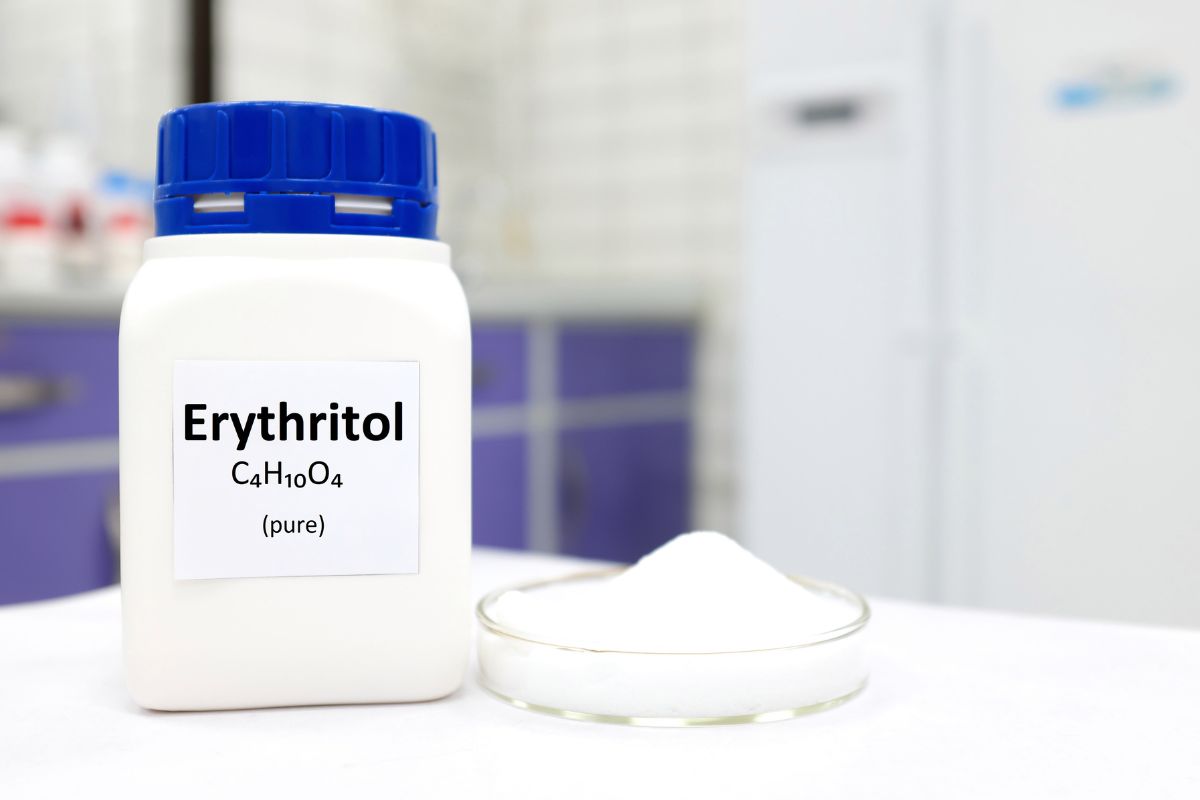
The blood-brain barrier serves as one of the body’s most important defense systems, allowing oxygen and nutrients to reach the brain while preventing many harmful substances from entering delicate neural tissue. But new laboratory research suggests that erythritol—a popular low-calorie sweetener found in many sugar-free foods and drinks—may interfere with key functions of the cells that maintain this protective barrier.
The findings, published in the Journal of Applied Physiology, indicate that erythritol altered several biological processes involved in blood vessel health, raising new questions about its potential effects on stroke risk and brain function. Although the research was conducted in human cells rather than people, it offers possible insight into previously reported links between erythritol and cardiovascular events.
How the researchers studied erythritol
Erythritol has been widely used for decades as a sugar substitute because it contains almost no calories, has little effect on blood sugar levels, and provides about 60 to 80 percent of the sweetness of table sugar. It is commonly added to sugar-free beverages, snacks, and products marketed to people with diabetes or those trying to lose weight.
Researchers at the University of Colorado Boulder investigated how erythritol affects human brain endothelial cells, the specialized cells that form much of the blood-brain barrier. These cells play a critical role in regulating blood flow and protecting the brain from toxins, pathogens, and other potentially harmful substances.
Changes linked to blood vessel function
The experiments revealed several changes that could interfere with normal blood vessel function. Cells exposed to erythritol produced lower amounts of nitric oxide, a signaling molecule that helps blood vessels relax and widen, allowing healthy blood flow.
At the same time, levels of endothelin-1—a protein that promotes blood vessel constriction—increased. Together, these changes shifted the cells toward a state that may reduce blood flow rather than support it.
The researchers also observed a reduction in the stimulated release of tissue plasminogen activator (t-PA), a naturally occurring protein that helps dissolve blood clots. In addition, erythritol exposure increased the production of reactive oxygen species, unstable molecules that contribute to oxidative stress and cellular damage.
A possible link to stroke risk
The laboratory findings are consistent with previous observational studies reporting that individuals with higher blood concentrations of erythritol were more likely to experience heart attacks or strokes. While those studies could not explain why such an association existed, the new research offers one possible biological mechanism.
Reduced nitric oxide production, increased blood vessel constriction, and diminished clot-dissolving capacity could together create conditions that increase the likelihood of ischemic stroke, which occurs when blood flow to part of the brain becomes blocked. The researchers suggest that erythritol may push endothelial cells toward a state that favors this process.
Because the experiments focused specifically on blood-brain barrier cells, the findings may be particularly relevant to brain health. If similar effects occur in living people, the blood-brain barrier could become less effective at regulating blood flow while also becoming less capable of protecting the brain from harmful substances.
The researchers also note that endothelial cells throughout the body share many characteristics. Although this study focused on the brain, similar biological changes could potentially occur in blood vessels supplying the heart and other organs. However, those possibilities were not directly examined.
Important limitations
The authors emphasize that the research was performed using cultured human cells rather than human volunteers. Laboratory conditions—including the amount of erythritol used and the duration of exposure—may not accurately reflect how people consume the sweetener through everyday foods and beverages.
Another important consideration is that the human body naturally produces small amounts of erythritol through normal metabolic processes. Elevated blood concentrations observed in previous studies may therefore reflect underlying metabolic disorders rather than dietary intake alone.
The scientific evidence also remains mixed. While several recent studies have raised concerns about erythritol and cardiovascular health, other research has suggested that the sweetener may have beneficial effects under certain conditions. These conflicting findings indicate that erythritol’s role in human health is likely more complex than simply being harmful or beneficial.
What the findings could mean
The researchers say larger, long-term clinical studies are needed to determine whether regular consumption of erythritol at typical dietary levels meaningfully increases the risk of stroke or cardiovascular disease. Future research will also need to identify whether there are safe levels of exposure and whether certain groups of people are more vulnerable than others.
Although the current study does not establish a cause-and-effect relationship, the authors argue that the findings provide sufficient reason to investigate erythritol more closely. As additional evidence emerges, recommendations regarding non-nutritive sweeteners may continue to evolve.
For now, many nutrition experts continue to recommend limiting both added sugars and artificial or low-calorie sweeteners whenever practical. Choosing water, unsweetened beverages, and minimally processed foods remains a balanced approach while scientists continue to investigate how sugar substitutes affect long-term brain and cardiovascular health.