
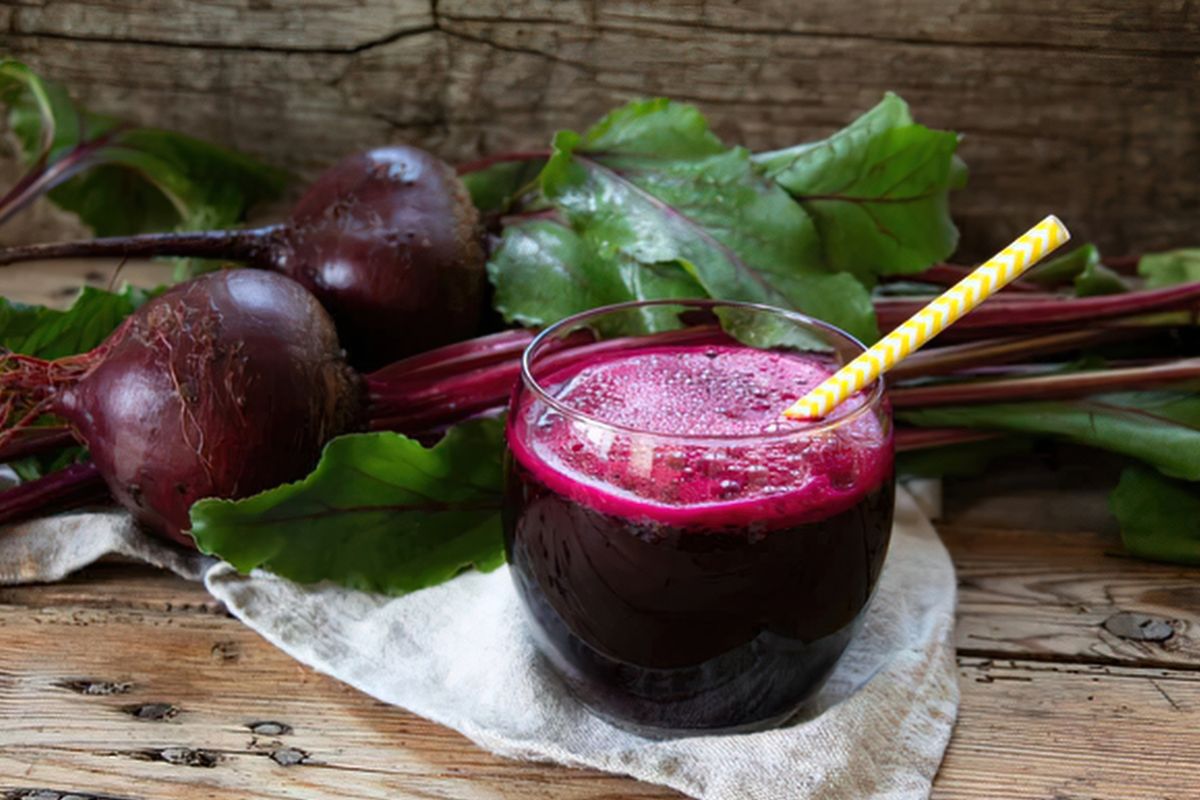
Chewing sugary bubble gum after consuming nitrate-rich vegetables such as beetroot may temporarily enhance the body’s ability to produce nitric oxide and lead to small reductions in blood pressure, according to new research. The findings suggest that, under carefully controlled conditions, sugar-induced changes in saliva may improve the conversion of dietary nitrate into compounds that help relax blood vessels.
The study, published in the British Journal of Clinical Pharmacology, was conducted by researchers at King’s College London. While the results provide new insight into how the mouth influences cardiovascular health, the researchers emphasize that the findings should not be interpreted as a recommendation to consume sugary chewing gum to lower blood pressure.
The Mouth Plays a Key Role in Nitrate Metabolism
Vegetables such as beetroot, spinach, and rocket are naturally rich in nitrate.
After these foods are eaten, nitrate is absorbed into the bloodstream and concentrated in saliva, where beneficial oral bacteria convert it into nitrite.
Once swallowed, nitrite can be further converted into nitric oxide, a molecule that relaxes and widens blood vessels, improving blood flow and contributing to modest reductions in blood pressure.
Scientists have long recognized the importance of oral bacteria in this process.
However, less has been known about how the acidity of saliva influences nitrate conversion over the hours following a meal.
Earlier work by the same research group found that grapefruit juice made saliva less acidic, slowing nitrate conversion.
The new study tested the opposite hypothesis: whether increasing saliva acidity could improve nitrate metabolism and increase the amount of beneficial nitrite circulating throughout the body.
Testing Beetroot Juice and Chewing Gum
The researchers conducted a crossover study involving healthy volunteers.
Participants first consumed a concentrated shot of beetroot juice before chewing either sugar-containing bubble gum or sugar-free chewing gum for three to six hours.
Throughout the experiment, the researchers collected saliva and blood samples while continuously monitoring blood pressure.
After a washout period of at least one week, participants repeated the procedure using the alternative type of chewing gum.
This design allowed each participant to serve as their own control.
The sugary gum used in the experiment was a commercially available bubble gum, while the comparison product was a standard sugar-free chewing gum.
Increased Saliva Acidity Boosted Nitrite Levels
Chewing the sugar-containing gum significantly increased the acidity of participants’ saliva.
Compared with the sugar-free gum, saliva pH decreased by approximately 1.4 units.
This change was accompanied by an approximately 45% increase in nitrite concentrations within saliva and a 25% increase in circulating nitrite levels in the bloodstream.
These biochemical changes were also associated with modest reductions in blood pressure.
Participants who chewed the sugary gum experienced an average reduction of nearly 3 mmHg in systolic blood pressure and almost 2 mmHg in diastolic blood pressure compared with when they chewed sugar-free gum after consuming beetroot juice.
The Findings Do Not Support Eating More Sugar
Despite these results, the researchers stress that sugary chewing gum should not be viewed as a treatment for hypertension.
The observed reductions in blood pressure were relatively small and temporary, while regular consumption of added sugar is well known to increase the risk of tooth decay and contribute to long-term cardiometabolic disease.
Current dental and cardiovascular guidelines continue to recommend limiting added sugars.
Sugar-free chewing gum remains the preferred option for everyday use because it does not promote dental decay.
Instead, the researchers view the study as proof of concept that altering conditions within the mouth can influence how efficiently the body processes dietary nitrate.
Their goal is to identify safer methods of achieving similar improvements without relying on sugar.
Potential Benefits for Athletes
Dietary nitrate from beetroot juice and leafy green vegetables has become a widely used nutritional strategy among endurance athletes.
Numerous studies have shown that nitrate supplementation can improve exercise efficiency and endurance performance by enhancing blood flow and oxygen delivery to working muscles.
The new findings suggest that optimizing the conditions inside the mouth may further increase the conversion of dietary nitrate into beneficial nitrite.
If similar effects can be achieved safely using tooth-friendly approaches, athletes could potentially obtain greater physiological benefits from the same amount of dietary nitrate.
The researchers plan to conduct larger studies involving trained athletes to examine how changes in saliva chemistry influence nitrate metabolism, blood pressure, and exercise performance.
They also intend to investigate alternative products, including low-sugar and sugar-free formulations specifically designed to modify saliva acidity without increasing sugar intake.
A Growing Role for the Oral Microbiome
The study adds to increasing evidence that the oral microbiome plays an important role in cardiovascular health.
It also reinforces previous findings that routine use of strong antiseptic mouthwashes may interfere with beneficial nitrate-reducing bacteria in the mouth, reducing some of the blood pressure benefits associated with diets rich in vegetables.
Although these findings are promising, the researchers emphasize that they complement rather than replace established approaches to cardiovascular health.
For now, experts continue to recommend a balanced diet rich in vegetables, regular physical activity, maintaining a healthy weight, and evidence-based medical treatment when appropriate as the most effective strategies for managing blood pressure and supporting long-term vascular health.
