
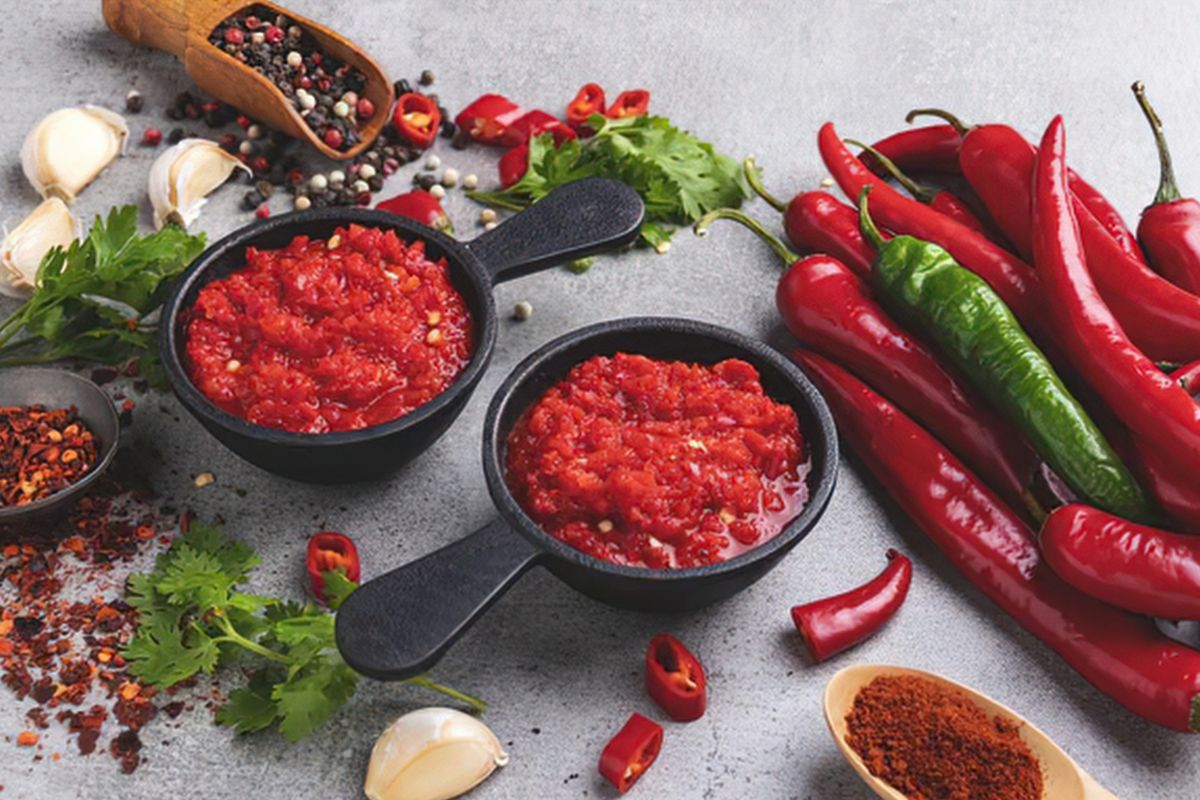
Eating chili peppers is a daily habit for billions of people worldwide, but a new review suggests that very high consumption may be associated with an increased risk of certain gastrointestinal cancers. The study, published in Frontiers in Nutrition, analyzed existing research and found the strongest association for esophageal cancer, while evidence for other digestive cancers was less consistent.
The findings add to an ongoing scientific debate about capsaicin—the compound responsible for the heat of chili peppers. Although laboratory studies have shown that capsaicin can have both anticancer and anti-inflammatory effects, human studies continue to produce mixed results, suggesting its health effects may depend on the amount consumed and other lifestyle factors.
Examining the Link Between Chili Peppers and Cancer
Researchers conducted a systematic review and meta-analysis of 14 observational studies involving more than 11,000 participants. They compared people with the highest chili pepper intake to those who consumed the least in order to evaluate the potential relationship between spicy food and gastrointestinal cancers.
These cancers include malignancies affecting the esophagus, stomach, colon, and rectum, which together account for millions of new cases and deaths worldwide every year. Because many gastrointestinal cancers are diagnosed at advanced stages, identifying dietary factors that may influence risk has become an important area of research.
Chili peppers contain capsaicin, a naturally occurring compound responsible for their spicy flavor. Experimental studies have suggested that capsaicin may suppress inflammation and trigger the death of cancer cells under certain laboratory conditions. However, other research has found that it may also irritate tissues or promote tumor growth in specific circumstances, making its overall effects difficult to interpret.
The authors note that the way people consume chili peppers—including the quantity eaten, frequency of consumption, and preparation methods—may influence how capsaicin interacts with the digestive system.
What the Researchers Found
Across the combined studies, people with the highest chili pepper consumption were approximately 64% more likely to develop gastrointestinal cancers overall than those with the lowest intake.
The strongest association was observed for esophageal cancer. Individuals consuming the largest amounts of chili peppers were nearly three times more likely to be diagnosed with this cancer than those consuming the least.
The findings were less consistent for other digestive cancers. The researchers found no statistically significant increase in colorectal cancer risk, while stomach cancer showed only a non-significant trend toward higher risk among people with the greatest chili pepper intake.
Because all of the included studies were observational, the researchers emphasize that the findings demonstrate associations rather than cause-and-effect relationships. Other health behaviors and environmental factors could partly explain the observed differences.
Results Varied Across Different Regions
The relationship between chili pepper consumption and cancer risk differed substantially between regions of the world.
Studies conducted in Asia, Africa, and North America more often reported an increased risk of gastrointestinal cancers among people consuming the highest amounts of chili peppers.
By contrast, research from Europe and South America generally found no increased risk and, in some cases, even suggested lower cancer rates among regular chili pepper consumers.
The researchers believe several factors could contribute to these differences, including the varieties of peppers consumed, cooking methods, average daily intake, genetic differences, and broader dietary habits. Other known cancer risk factors—such as smoking, alcohol consumption, chronic infections, and overall diet—may also interact with chili pepper intake.
Why the Esophagus May Be More Sensitive
Scientists have proposed several biological explanations for why the esophagus may be particularly susceptible to high levels of capsaicin exposure.
Capsaicin activates TRPV1 receptors, which produce the familiar burning sensation associated with spicy foods. Repeated stimulation of these receptors may contribute to chronic irritation in some individuals.
Over many years, persistent irritation and inflammation could potentially promote changes in the cells lining the esophagus that increase cancer risk. Differences in tissue repair throughout the digestive tract may also influence why the strongest association was observed in the esophagus rather than elsewhere.
However, researchers stress that these mechanisms remain theoretical. No single biological explanation has yet been conclusively demonstrated in humans, and additional research is needed to examine the long-term effects of high-dose capsaicin exposure on digestive tissues.
Interpreting the Findings Carefully
Health experts caution against interpreting the review as evidence that chili peppers directly cause cancer.
More recent umbrella reviews have concluded that spicy foods may have both potential benefits and potential risks depending on the amount consumed, individual health conditions, and the disease being studied.
Several large population studies have associated regular spicy food consumption with lower risks of cardiovascular disease and reduced overall mortality. At the same time, research examining digestive cancers has produced inconsistent findings, and scientists have not established a clear threshold at which chili pepper consumption becomes harmful.
For now, the researchers suggest moderation may be appropriate, particularly for people who regularly consume very large quantities of extremely spicy foods. Individuals with chronic acid reflux, esophagitis, or other upper digestive tract disorders may also benefit from discussing their diet with a healthcare professional.
The authors conclude that long-term prospective studies carefully measuring the quantity and preparation of chili peppers will be needed to determine whether the spice itself contributes to cancer risk. Until stronger evidence becomes available, they recommend focusing on maintaining an overall healthy dietary pattern rather than eliminating chili peppers based on the current findings alone.
