
Different types of dietary fat appear to influence the risk of type 2 diabetes in very different ways, according to new research from European scientists. The work suggests that the quality of fat in the diet may be more important than total fat intake for metabolic health.
In a review published in Trends in Endocrinology & Metabolism, researchers compared palmitic acid, a common saturated fat, with oleic acid, a monounsaturated fat abundant in olive oil. Both fats are widespread in everyday foods but may have opposing effects on insulin sensitivity.
How palmitic acid harms metabolism
The researchers report that palmitic acid can trigger several cellular changes linked to the development of type 2 diabetes. It promotes the buildup of bioactive lipids that are toxic to cells when present in excess, disturbing normal metabolic processes.
Palmitic acid was also associated with low-grade chronic inflammation, a known driver of insulin resistance. At the same time, it can disrupt the function of key cellular structures such as mitochondria and the endoplasmic reticulum, further impairing how cells respond to insulin.
These combined effects are closely tied to reduced insulin action and the progression of metabolic disease. Palmitic acid is widely found in palm oil, fatty meats, full-fat dairy products, certain processed foods and many commercially baked goods.
Oleic acid and potential protective effects
By contrast, the review highlights a very different profile for oleic acid, the main fatty acid in olive oil and a hallmark of Mediterranean-style diets. Oleic acid encourages fat to be stored in less harmful forms that are better tolerated by cells.
This monounsaturated fat also helps preserve normal insulin signaling in key metabolic organs, including the liver, skeletal muscles and adipose tissue. In experimental models, oleic acid has been shown to counteract some of the damaging effects caused by palmitic acid.
These findings align with large population studies showing that eating patterns rich in monounsaturated fats, nuts, seeds and olive oil are linked with a lower risk of type 2 diabetes and cardiovascular disease. Such diets typically limit sources of saturated fat and ultra-processed foods.
Why fat quality may trump quantity
The authors argue that focusing solely on how much fat a person eats may miss an important part of the metabolic picture. The balance between saturated fats like palmitic acid and healthier fats such as oleic acid appears critical for long-term glucose control.
They note that similar total fat intakes can have very different outcomes depending on whether the diet is dominated by animal fats and industrial oils or by plant-based sources rich in monounsaturated and polyunsaturated fats. This nuance may help explain inconsistencies between past nutrition studies.
Researchers also emphasize that the food matrix and processing methods matter. The health impact of a fatty acid can change depending on whether it comes from minimally processed foods, such as olives or nuts, or from refined products, snacks and fast food items.
Implications for diabetes prevention
The review authors call for more targeted clinical trials to clarify how individual fatty acids influence insulin sensitivity in diverse populations. They stress the need to account for lifestyle, genetics, overall diet and cooking practices when interpreting results.
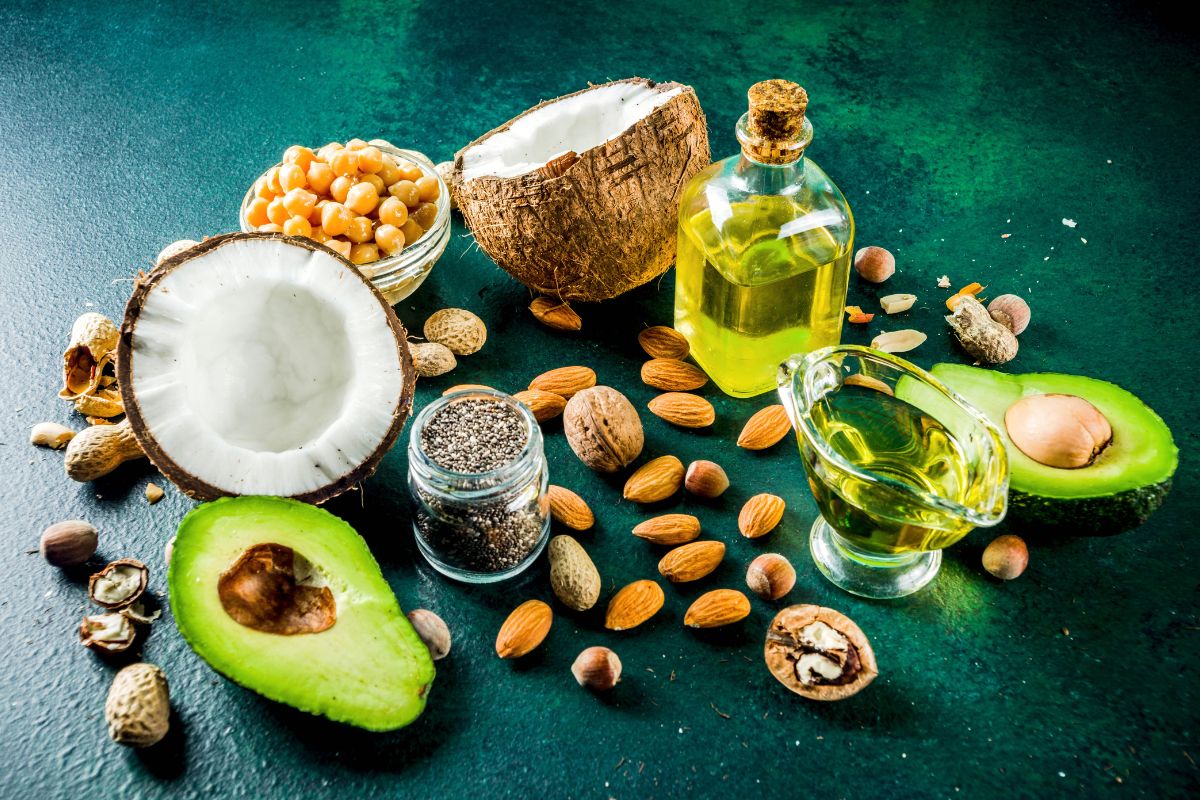
Still, current evidence supports practical dietary advice for people seeking to lower their diabetes risk. Replacing foods rich in palmitic acid with options higher in oleic acid, such as extra-virgin olive oil, avocados and some nuts, may be a useful strategy.
Experts say that adopting a Mediterranean-style eating pattern, emphasizing vegetables, whole grains, legumes, fruits and healthy fats, remains one of the best supported approaches for preventing and managing type 2 diabetes. Ongoing research on specific fatty acids could refine these recommendations further in the coming years.
