
New genetic evidence has shed fresh light on a centuries-old mystery surrounding the death of Grand Duke Francesco de Medici, who was long suspected of being murdered by poison. A new analysis of his remains instead points to a far more common cause of death during the Renaissance: mosquito-borne malaria.
Francesco, one of the most influential political figures in Tuscany, died suddenly in 1587 while staying at the Medici family villa in Poggio a Caiano. His wife, Bianca Cappello, died just one day later, fueling longstanding speculation that the couple had been poisoned by Francesco’s brother and political rival, Cardinal Ferdinando de Medici, who later inherited power.
DNA Points to Malaria Instead of Poison
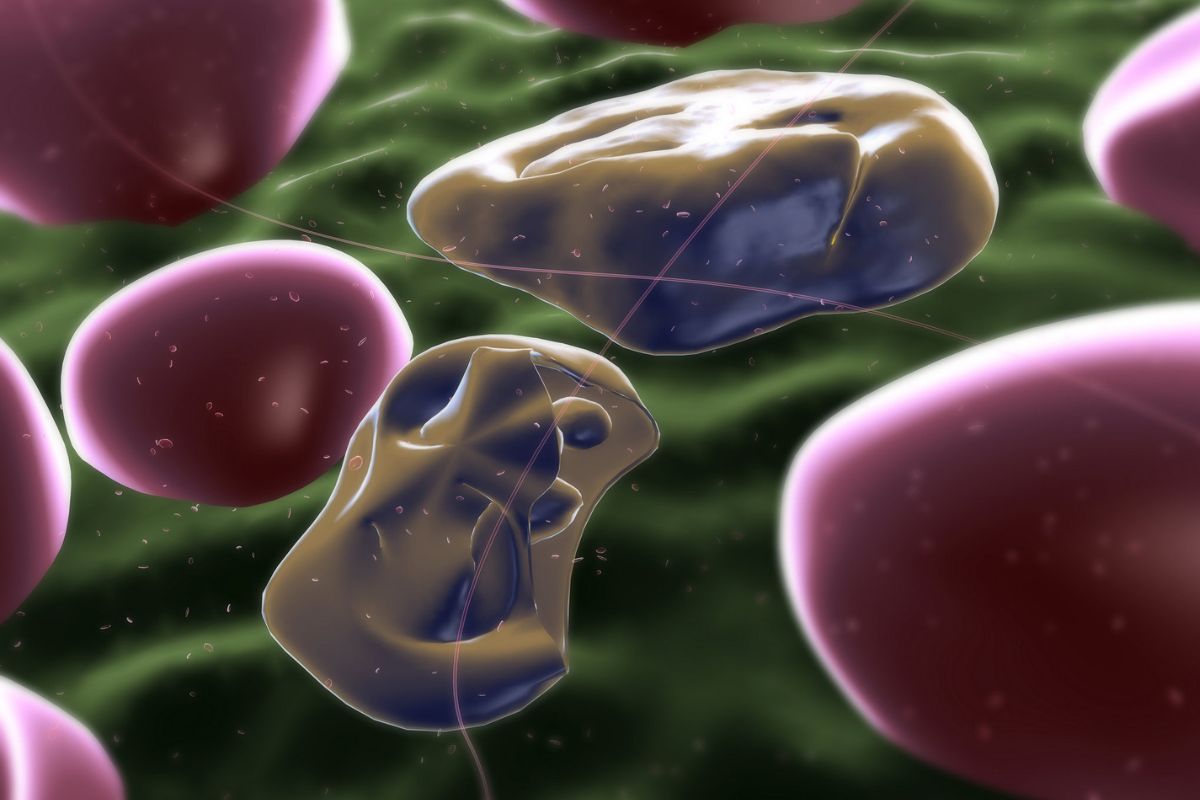
In a study published in iScience, researchers from Yale University and the University of Pisa extracted and analyzed ancient DNA preserved in Francesco’s bones. Their analysis identified genetic material belonging to two Plasmodium species—the protozoan parasites that cause malaria and are transmitted by mosquitoes.
According to the researchers, this represents the first direct molecular evidence that Francesco died from malaria rather than poisoning. During the Renaissance, malaria was endemic throughout much of central Italy, particularly in marshlands, low-lying areas, and rice-growing regions that provided ideal breeding conditions for mosquitoes.
Historical records describe both Francesco and Bianca developing intermittent fevers shortly before their deaths, a pattern consistent with malaria infection. The detection of Plasmodium DNA provides modern scientific support for those contemporary descriptions.
Bianca and Other Medici Deaths
Although Bianca Cappello’s remains were unavailable for genetic testing, the close timing of the couple’s deaths supports the possibility that both succumbed to the same infectious disease. The new findings also reinforce earlier historical and medical analyses that questioned the long-standing poisoning theory.
The researchers also examined the remains of Francesco’s younger brother, Cardinal Giovanni de Medici, who died in 1562. They again identified Plasmodium DNA, indicating that Giovanni also died from malaria more than two decades before Francesco.
Together, these findings suggest that even one of Europe’s wealthiest and most powerful dynasties was unable to avoid the infectious diseases that shaped everyday life during the Renaissance. Historical records indicate that malaria outbreaks were a recurring feature of the Tuscan countryside throughout this period.
Reconstructing Malaria’s History
Beyond resolving a famous historical mystery, the researchers sought to better understand how malaria spread through Italy during the Renaissance and evolved over time. Their analysis identified evidence of a previously unknown strain of Plasmodium falciparum, the parasite responsible for the deadliest form of malaria.
This ancient strain contains unique genetic mutations that may have helped the parasite adapt to local environmental conditions and expand into new regions. By comparing its genetic profile with that of modern malaria strains, scientists hope to reconstruct historical transmission routes and better understand the parasite’s evolution.
The study also highlights the growing field of ancient pathogen genomics, which uses DNA recovered from archaeological remains to investigate how infectious diseases emerged, evolved, and affected past human populations. According to the researchers, the findings demonstrate that even highly fragmented DNA preserved in centuries-old skeletal remains can provide valuable biological information.
What the Findings Mean Today
Although malaria was officially eliminated from Italy during the 1970s, the disease continues to cause an estimated 610,000 deaths each year worldwide, primarily in Africa and parts of Asia.
Researchers note that understanding how Plasmodium evolved in the past may help modern scientists monitor drug resistance, identify emerging parasite strains, and improve future vaccine development. The unique mutations discovered in the historical Tuscan samples contribute new information to this broader scientific effort.
The authors acknowledge that studies involving ancient DNA have important limitations, including degradation of genetic material and the possibility of contamination. Nevertheless, they conclude that advances in molecular analysis can help resolve long-debated historical questions while expanding scientific knowledge about pathogens that continue to pose major global health challenges.
For the Medici family, the findings substantially weaken one of history’s most enduring murder theories. Rather than falling victim to political poisoning, the evidence suggests that Grand Duke Francesco de Medici most likely died from a disease that claimed countless lives during the Renaissance—including those of society’s most powerful figures.