
Dermatologists across several countries are raising alarms as TikTok influencers promote melanotan II, an unapproved injectable and nasal-spray tanning drug. Despite being banned as a cosmetic product in countries including the United States, the United Kingdom, and Australia, it continues to be sold through online marketplaces and informal channels.
Clinicians warn that many influencers present melanotan II as a quick and safe way to achieve a deeper tan without mentioning the potentially serious health risks. Users typically inject or inhale the substance at home without medical supervision, quality control, or certainty about the product’s composition or dosage.
How Melanotan II Was Developed
Melanotan II originated from research at the University of Arizona during the 1980s, where scientists were attempting to develop sunless tanning agents that might reduce skin cancer risk. Researchers created synthetic versions of alpha-melanocyte-stimulating hormone, a naturally occurring peptide that activates pigment-producing skin cells known as melanocytes.
Melanotan I and melanotan II were found to darken the skin by stimulating melanocytes independently of ultraviolet exposure. Researchers later discovered that melanotan II also produced pronounced sexual side effects in men, including prolonged erections, leading to interest in its potential use for treating sexual dysfunction.
The drug has never been approved as a cosmetic tanning product by major regulatory agencies such as the U.S. Food and Drug Administration (FDA) or the UK’s Medicines and Healthcare products Regulatory Agency (MHRA). Health authorities have repeatedly warned that products sold online as melanotan may contain impurities, inaccurate doses, or undisclosed ingredients.
Documented Side Effects and Case Reports
Clinicians have documented a growing number of adverse reactions among people self-administering melanotan II purchased online. Frequently reported side effects include severe nausea, facial flushing, headaches, appetite changes, and noticeable darkening of existing moles and freckles within weeks of starting treatment.
More serious complications have also appeared in medical literature. In a 2021 case report, a 55-year-old man presented to an emergency department with a painful erection lasting approximately 30 hours after injecting 2 mg of melanotan II. Surgical treatment under general anesthesia was ultimately required to resolve the condition.
Doctors emphasize that the true frequency of adverse events remains unknown because many users never report complications, and melanotan II has not undergone the extensive clinical trials required for approved medicines. In addition, unregulated products purchased online may differ substantially in potency and purity, increasing the risk of overdose and unpredictable side effects.
Concerns Over Moles and Melanoma
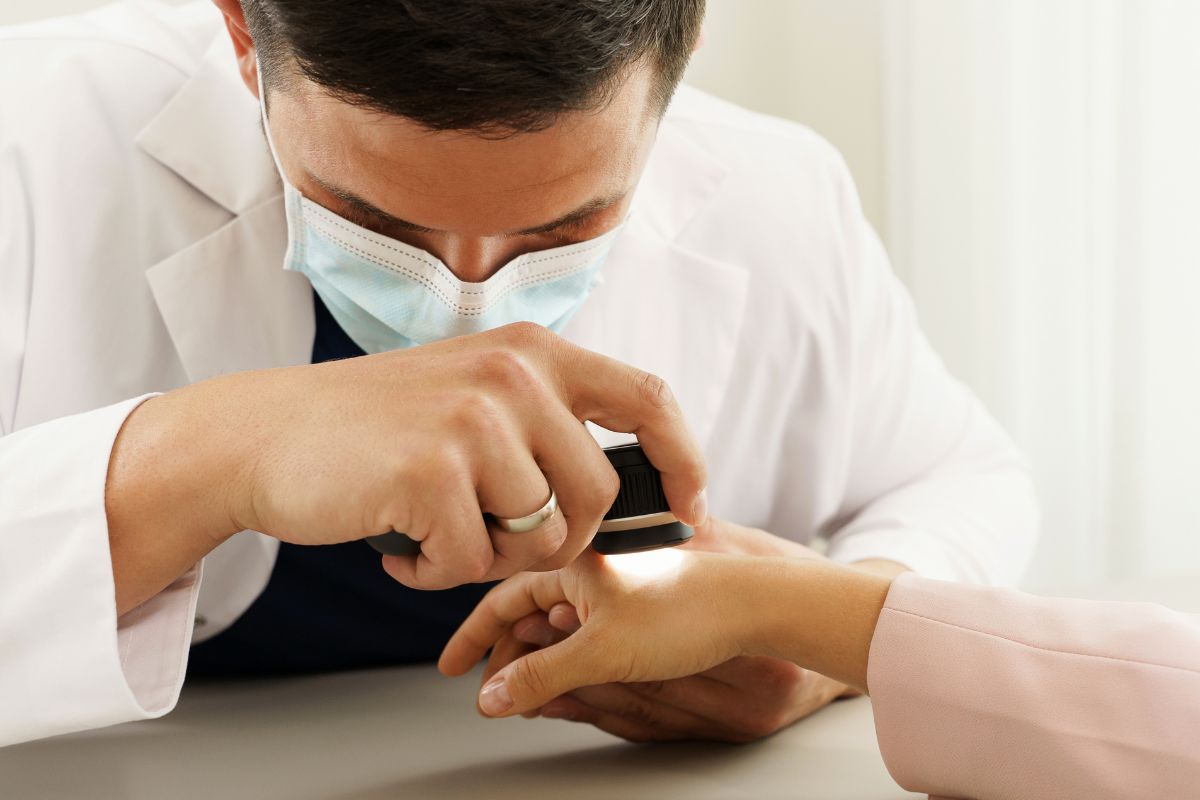
Dermatologists are particularly concerned about melanotan II’s effects on pigmented skin lesions. Continuous stimulation of melanocytes may darken existing moles, promote the appearance of new pigmented lesions, and complicate routine skin examinations that are essential for the early detection of melanoma.
Several case reports have described melanoma occurring in individuals who used melanotan products. However, current evidence does not establish that melanotan II directly causes melanoma. Researchers note that the biological mechanism is plausible because prolonged stimulation of pigment-producing cells could theoretically encourage abnormal cell growth in susceptible individuals.
In clinical practice, the sudden appearance of numerous darker moles in fair-skinned individuals may make it more difficult for dermatologists to recognize subtle warning signs of skin cancer. Some specialists now routinely ask patients about melanotan use when they observe rapid changes in mole patterns, particularly among younger adults who are active on social media.
Myths About Tanning and Skin Cancer
Experts emphasize that a darker tan—whether produced by sunlight, tanning beds, or melanotan II—does not provide reliable protection against ultraviolet radiation. A 2024 analysis of social media content found that approximately one-third of posts mentioning skin cancer incorrectly claimed that melanotan could help prevent it, despite the absence of supporting clinical evidence.
Interviews with regular users published in 2025 found that many believed melanotan reduced their risk of sunburn and skin cancer, encouraging them to spend longer periods in direct sunlight. Dermatologists warn that this false sense of security may actually increase long-term skin cancer risk by promoting greater UV exposure without adequate sunscreen or protective clothing.
Health authorities continue to stress that broad-spectrum sunscreen, protective clothing, and seeking shade remain the only evidence-based methods for reducing ultraviolet-induced skin damage. A tan is considered a visible sign of skin injury rather than protection, and products marketed as shortcuts to “safe tanning” should be approached with caution.
Regulation, Social Media, and Body Image
Regulatory agencies continue to face challenges in controlling the online sale and promotion of unapproved cosmetic injectables such as melanotan II. Although some countries classify the substance as a prescription-only medicine, enforcement against international shipments and anonymous online vendors remains difficult.
Public health experts also argue that the popularity of melanotan II on platforms such as TikTok reflects broader societal pressures surrounding appearance and body image, particularly among younger users. The promise of achieving a year-round tan quickly may be especially appealing to people who burn easily or associate tanned skin with attractiveness.
Dermatology organizations are urging social media platforms to limit content promoting self-injected or unapproved substances while increasing the visibility of evidence-based health information. Clinicians recommend that individuals seeking a tanned appearance consider safer alternatives, such as topical self-tanning products, and consult healthcare professionals before using any cosmetic drug purchased online.
Ultimately, dermatologists emphasize that no cosmetic tan is worth compromising long-term health. They encourage people to prioritize skin protection, regular skin examinations, and evidence-based prevention over social media trends that may carry serious and potentially irreversible consequences.
