
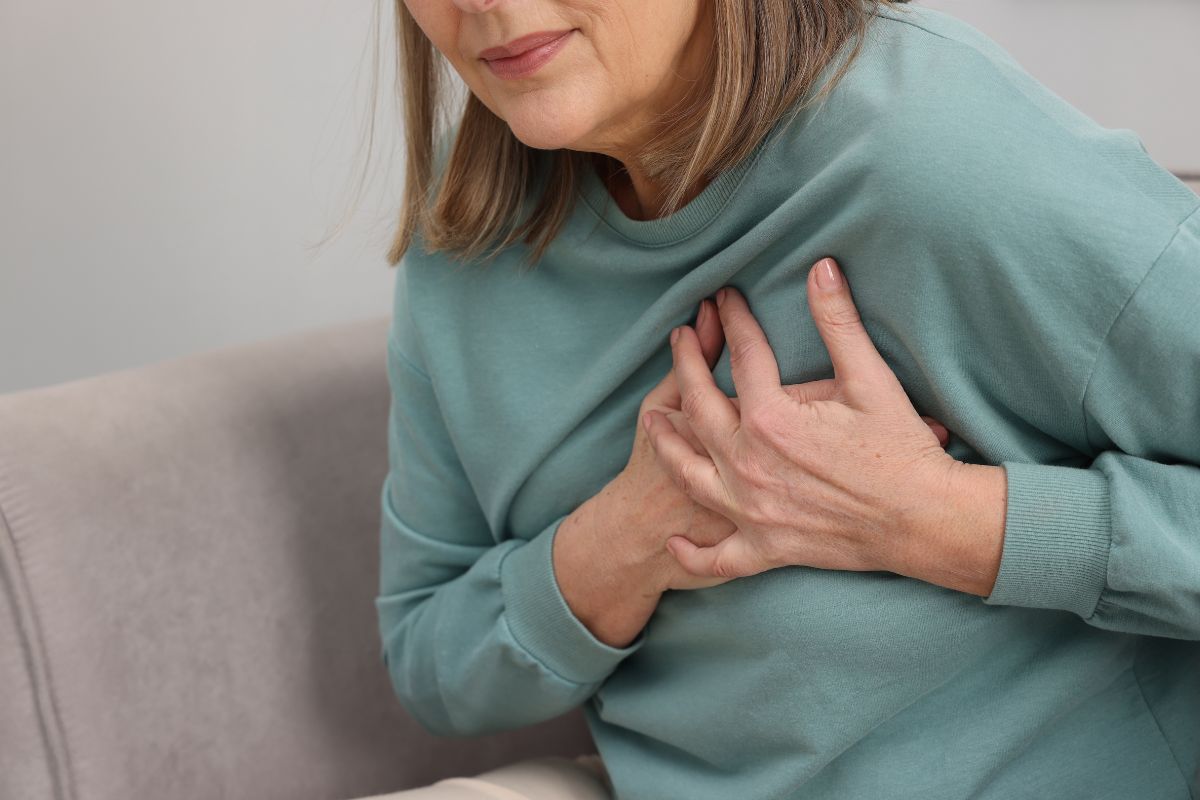
A middle-aged woman arrives at an emergency department short of breath, sweating, and in pain. Her discomfort radiates from between her shoulder blades down her left arm, yet her initial tests appear normal. She is reassured, labeled as anxious, and sent home.
By the time she finally sees a cardiologist and receives an accurate diagnosis, she has already suffered a heart attack. This was the experience of U.S. patient advocate Barbara Collura, now an ambassador for the Family Heart Foundation. For many women, similar stories end in tragedy.
Cardiologists and researchers warn that subtle bias in how symptoms are described and interpreted is costing lives. In some high-income countries, including Australia, experts estimate that up to 20% of heart attack deaths in women could be prevented if care were as consistent and aggressive as it is for men.
The power of one dangerous word
A key part of the problem, specialists say, is the routine use of the word “atypical” to describe women’s heart attack symptoms. For decades, textbooks and medical training have treated men’s symptoms as the standard and women’s symptoms as deviations from the norm.
In reality, the primary symptom of a heart attack is largely the same across both sexes. Large observational studies and clinical trials show that more than 90% of both men and women report some form of chest pain or chest discomfort during a heart attack.
Where women often differ is in the accompanying symptoms. They are more likely to experience nausea, shortness of breath, fatigue, jaw pain, or pain between the shoulder blades. These additional complaints can confuse busy clinicians and delay urgent treatment.
When these presentations are labeled as “atypical,” doctors may unconsciously view them as unusual or unrelated to the heart. This can result in misdiagnosis, fewer diagnostic tests, and more patients being sent home without potentially life-saving treatment.
Gender gap in heart attack care
Despite decades of public awareness campaigns, heart disease is still widely perceived as a “man’s disease.” Stephen Nicholls, director of Australia’s Victorian Heart Hospital, stresses that this belief is dangerously outdated.
Cardiovascular disease remains the leading cause of death among women in the United States and causes a similar number of deaths in women as in men. However, studies show that women presenting with heart attack symptoms are less likely to receive aspirin, emergency resuscitation, or high-priority ambulance transport using lights and sirens.
In U.S. emergency departments, women under the age of 55 are about seven times more likely than men to be discharged without appropriate cardiac testing. This mismatch between risk and treatment has been described as a form of systemic bias embedded in cardiology.
The phenomenon even has a name: Yentl syndrome. Coined in 1991 by cardiologist Bernadine Healy, the term describes women who receive the same aggressive treatment as men only when they present with the “typical” male pattern of symptoms. More than three decades later, experts argue that medicine has still not fully moved beyond this male-default model.
Evidence built on male patients
Many of the clinical guidelines that shape heart attack treatment were developed using studies in which male participants predominated. As a result, recommendations for medications such as aspirin, blood thinners, and cholesterol-lowering drugs were often based on evidence that underrepresented women.
Important female-specific risk factors may also be overlooked during routine assessments. Pregnancy-related complications, early menopause, and hormonal or metabolic conditions such as polycystic ovary syndrome can all increase cardiovascular risk, yet they may not be fully incorporated into standard risk assessment tools.
Nicholls and other experts argue that closing this evidence gap is essential to redesigning treatment protocols that serve both sexes equally. They call for greater representation of women in clinical trials and more comprehensive guidelines that incorporate sex-specific risk factors and symptom patterns.
Why women’s symptoms are missed
Popular culture often portrays heart attacks as sudden, dramatic events in which someone clutches their chest and collapses. Cardiologist Michelle O’Donoghue of Brigham and Women’s Hospital and Harvard Medical School says this stereotype is misleading.
She notes that many heart attacks, particularly in women, begin more subtly and develop gradually. Women frequently describe chest discomfort as a dull pressure or heaviness that lasts for several minutes, subsides, and later returns. These subtle early symptoms are easy for both patients and healthcare professionals to underestimate.
Women are also more likely than men to experience heart attacks while resting or sleeping, making the warning signs even less obvious. Symptoms such as nausea, shortness of breath, back pain, or discomfort in the jaw and arms may be mistaken for indigestion, stress, or musculoskeletal problems.
Research consistently shows that women are more likely to report pain between the shoulder blades, vomiting, and breathlessness during a heart attack. When these complaints are dismissed as “atypical,” they may appear less urgent, delaying electrocardiograms, blood tests, and other investigations that could confirm the diagnosis.
Changing language and practice
Clinicians begin the diagnostic process by looking for familiar symptom patterns, often based on what they learned during training. When a patient’s symptoms differ from the classic presentation, even slightly, there is greater potential for bias and diagnostic error.
Nicholls notes that although most people, regardless of sex, experience some form of chest pain when they have heart disease, women often present with more complex combinations of symptoms. These may include breathlessness, fatigue, palpitations, anxiety, or unexplained weakness that can overshadow chest discomfort.
Newer clinical guidelines are gradually recognizing this broader spectrum of heart attack symptoms and moving away from describing women’s presentations as “atypical.” However, changes in everyday clinical practice often lag behind updated recommendations, meaning many patients still encounter outdated assumptions.
Public health campaigns are also beginning to emphasize that heart attacks do not always appear dramatic and that even mild symptoms can signal a medical emergency. Advocates argue that improving education for both healthcare professionals and the public is essential to narrowing the gender gap in heart attack care.
What women can do right now
For Collura, it took three medical visits and a near-fatal event before doctors recognized that one of her coronary arteries was 99% blocked. Her experience motivated her to become an advocate for women’s heart health and encourage others not to dismiss their symptoms.
O’Donoghue advises that anyone, especially women, should trust their instincts if they feel something is seriously wrong. New, unexplained chest discomfort, pressure, or shortness of breath that persists or repeatedly returns should always be treated as a potential medical emergency.
Experts recommend seeking immediate medical attention rather than waiting to see whether symptoms improve. They also advise against driving yourself to the hospital during a suspected heart attack because sudden deterioration can occur while traveling. Calling emergency medical services remains the safest option.
Ultimately, cardiologists argue that changing a single word in medical language reflects a much broader shift in healthcare. Replacing the label “atypical” with more accurate and inclusive descriptions of heart attack symptoms is one step toward ensuring that women’s heart attacks are recognized and treated just as quickly and seriously as men’s.
