
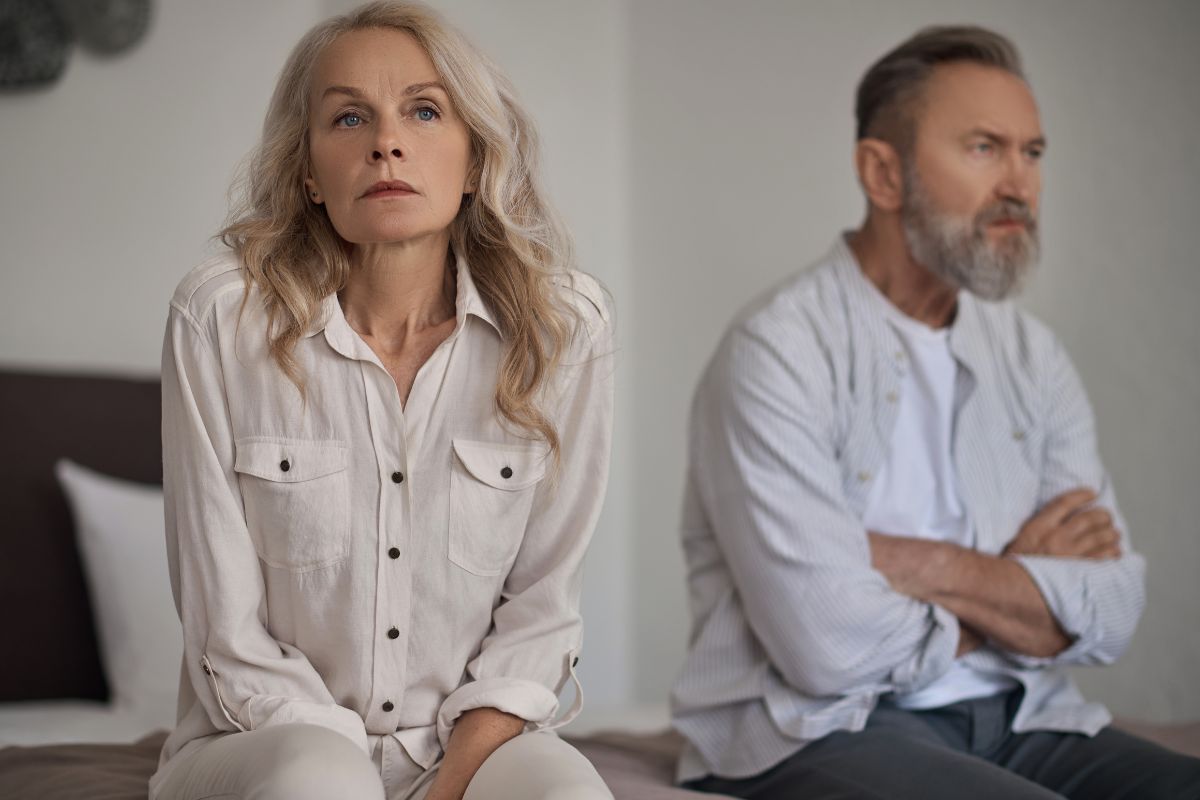
Many people assume that if a relationship hasn’t ended, love must still be there. However, psychologists say that some couples remain together long after emotional connection has faded, held together not by love but by routine, fear of change, and the comfort of familiarity.
Therapists emphasize that mature love provides emotional energy, while habit gradually drains it away. In a healthy relationship, both partners feel seen, supported, and emotionally safe, even during difficult periods. When love is present, your partner remains the first person you want to share both your happiest moments and your deepest struggles with.
By contrast, relationships sustained primarily by habit often feel stable but emotionally empty. The bond survives because it is familiar and predictable, not because it continues to provide genuine closeness. In these situations, the fear of disrupting daily life may become stronger than the desire to remain together.
When Comfort Replaces Emotional Connection
One of the biggest differences between love and habit lies in the reason people stay. In loving relationships, partners consciously invest in each other and continue building a shared future. They imagine growing together and actively work to strengthen the relationship over time.
When habit takes over, the relationship becomes more about maintaining an established lifestyle than nurturing an emotional bond. The idea of separation feels frightening, not necessarily because of losing the person, but because it would require rebuilding routines, living arrangements, finances, and future plans.
Over time, a partner can begin to feel less like a loved one and more like a permanent fixture in daily life. The relationship functions, but the emotional significance behind it gradually fades.
Emotional Indifference Is Often More Concerning Than Conflict
Many people believe that constant arguments signal the end of a relationship. Psychologists, however, often view emotional indifference as a much stronger warning sign.
Arguments usually indicate that both people still care enough to fight for their perspective, express disappointment, or seek change. Apathy is different. It reflects emotional disengagement.
If you no longer care where your partner is, what they are feeling, or why they are upset, the emotional connection may already be severely weakened. Similarly, if you find yourself too exhausted to express disagreement and simply choose silence instead, it may indicate that you have emotionally checked out.
For many couples, the disappearance of emotional investment occurs long before discussions about separation begin.
Your Future No Longer Includes Them
Another common sign appears when people imagine their future.
Psychologists often encourage clients to picture their lives five or ten years from now. When doing so, does your partner naturally appear in those plans? Do you still imagine traveling together, buying a home, celebrating milestones, or building new experiences side by side?
When someone consistently envisions future goals without their partner, it may suggest that the relationship has already been psychologically removed from their long-term life story.
This process is often unconscious. People may continue living together while mentally preparing for a future that no longer includes the relationship.
Feeling Lonely While Together
One of the most painful experiences in a struggling relationship is feeling lonely despite not being alone.
Couples may spend every evening in the same room while feeling emotionally disconnected. Conversations become limited to logistics, household responsibilities, bills, or schedules. Meaningful discussions gradually disappear.
At the same time, behaviors that once felt charming may begin to provoke irritation. A partner’s habits, jokes, mannerisms, or even their presence can trigger persistent annoyance instead of affection or curiosity.
Psychologists note that chronic irritation often reflects deeper unresolved emotional distance rather than dissatisfaction with the specific behavior itself.
When Intimacy Turns Into Simple Cohabitation
Changes in physical intimacy are normal in long-term relationships. Frequency naturally fluctuates depending on stress, health, work demands, and life circumstances.
What concerns therapists more is the disappearance of everyday affection.
When spontaneous hugs, kisses, hand-holding, affectionate touches, and small gestures of warmth disappear entirely, partners can gradually begin relating to each other more like roommates than romantic companions.
The relationship may continue functioning practically, but the emotional and romantic dimensions become increasingly absent.
Over time, this shift can transform a partnership into little more than a shared living arrangement.
Looking For Reasons To Stay Away
Psychologists also pay attention to avoidance behaviors.
People who feel emotionally disconnected from their relationships often begin finding reasons to spend less time at home. They may stay longer at work, volunteer for extra responsibilities, spend more time with friends, or linger elsewhere before returning home.
Sometimes the behavior is subtle. A person may sit in their car for several minutes before going inside or endlessly scroll through their phone to avoid interaction.
These habits often emerge because home no longer feels emotionally comforting. Avoidance becomes an unconscious strategy to escape tension, disappointment, or emotional emptiness.
What To Do If These Signs Feel Familiar
Recognizing that a relationship may be sustained more by habit than love does not automatically mean it should end. Instead, it signals the need for honest reflection.
Psychologists often recommend asking a simple but revealing question:
“If I met this person today, knowing everything I know now about their personality, habits, and values, would I choose them again?”
The answer can provide valuable insight into the true state of the relationship.
If the answer is no, but there is still a genuine desire to rebuild the connection, couples therapy may help. Under professional guidance, partners can learn healthier communication patterns, rediscover emotional intimacy, and address unresolved resentments.
Many therapists also encourage couples to break out of routine by spending intentional time together, revisiting shared interests, and remembering the qualities that initially attracted them to each other.
When Letting Go May Be Healthier
Sometimes, however, honest reflection leads to a different conclusion.
If thoughts of separation bring relief rather than sadness, and if emotional emptiness has replaced connection, continuing the relationship may only prolong suffering for both partners.
Ending a relationship is rarely easy, especially when years of shared history, finances, family responsibilities, or children are involved. Yet remaining together solely because it feels familiar can create long-term emotional stagnation.
Healthy relationships should provide support, security, affection, and opportunities for growth. When a relationship becomes a permanent emotional battleground or an empty routine, it may no longer be serving either partner’s wellbeing.
Psychologists emphasize that leaving a relationship respectfully is not a failure. In some cases, it is the healthiest decision both people can make. Letting go of a bond sustained only by habit can create space for a more authentic and fulfilling future, whether alone or eventually with someone new.
