
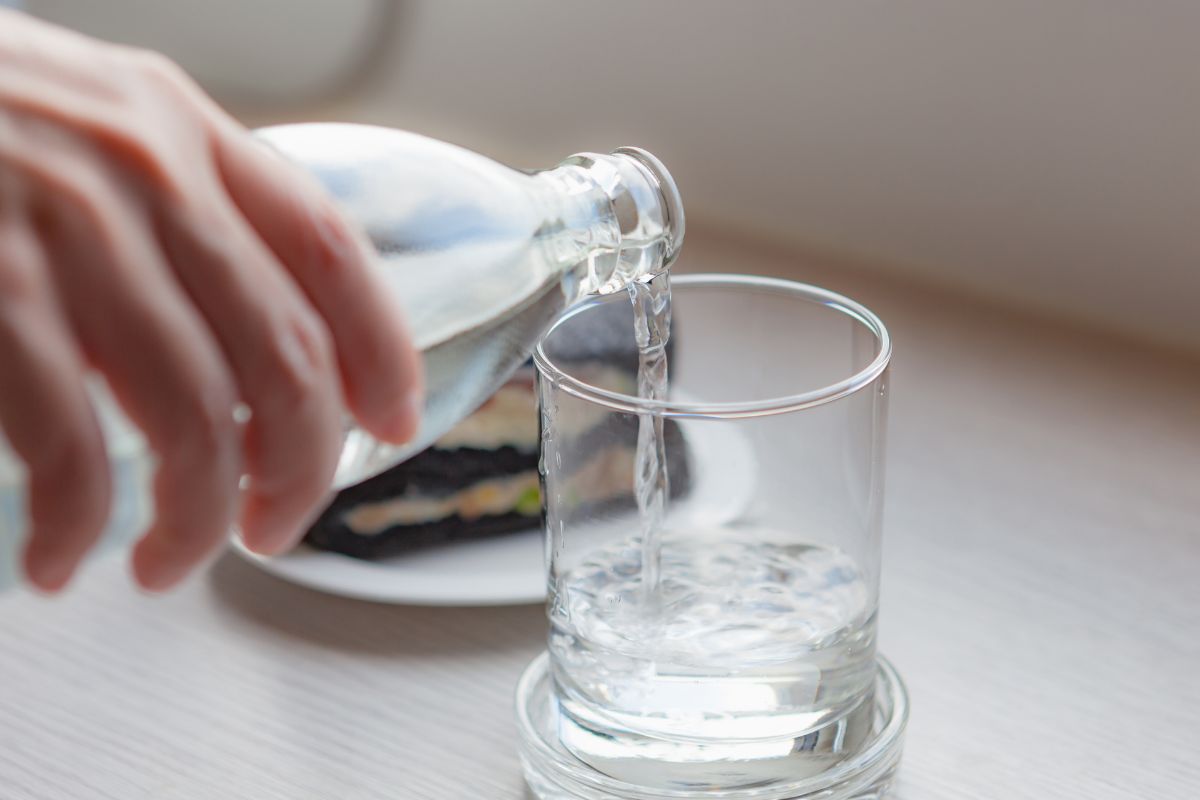
Alternating alcoholic drinks with water or soft drinks, a tactic known as zebra striping, is being promoted as a smarter way to drink on nights out. Supporters say the method helps people feel better the next day and stay more in control while socializing.
Recent survey data from the UK suggest that around one in three adults have experimented with zebra striping in 2025. The rise of no- and low-alcohol options in pubs and bars has made it easier to adopt this pattern without feeling socially out of place.
How Zebra Striping Works
The basic idea behind zebra striping is simple: after each alcoholic drink, you deliberately switch to a non-alcoholic beverage. This might mean alternating a pint of beer with a glass of water or a soft drink throughout the evening.
Medical evidence shows that the body typically processes about one standard unit of alcohol per hour. When people drink faster than this, blood alcohol concentration rises, increasing intoxication and placing additional strain on the liver, brain and cardiovascular system.
By building alcohol-free rounds into the evening, zebra striping slows the overall pace of drinking and often reduces the total number of alcoholic beverages consumed. This can lower peak blood alcohol levels at any given time and may reduce the risk of accidents, poor decisions and short-term memory problems.
Benefits And Clear Limitations
Researchers describe zebra striping as a harm-reduction strategy, but only if it genuinely leads to lower alcohol consumption overall. If someone extends their night out or chooses stronger drinks to compensate, the protective effect can quickly disappear.
There may also be a social benefit. Holding any type of drink, even a soft drink, can reduce peer pressure to keep ordering alcohol. This may be particularly useful in countries such as the UK, where heavy social drinking remains widely normalized.
Hydration is another commonly cited advantage. Alcohol acts as a diuretic, increasing urination and fluid loss, which can contribute to thirst, dizziness and headaches. Alternating with water or soft drinks can help replace fluids and ease some dehydration-related symptoms.
However, scientific studies indicate that dehydration and hangover severity are not the same thing. Restoring fluid balance alone does not reliably prevent hangovers, even if it helps reduce certain symptoms.
What Really Causes Hangovers?
Experts say hangovers are driven by a combination of factors, including toxic byproducts such as acetaldehyde, inflammation, immune system changes and disrupted sleep. The body’s response to alcohol is complex and still not fully understood.
One of the most consistent findings is that total alcohol intake and resulting blood alcohol concentration strongly predict hangover severity. Research has shown that higher alcohol levels in urine are associated with more severe symptoms the following day.
People who metabolize and eliminate alcohol more quickly often report milder hangovers. Genetic differences, drinking patterns, body size and liver function all influence how efficiently alcohol is processed.
The choice of mixer can also affect how rapidly alcohol is absorbed. Studies have found that carbonated beverages may speed alcohol absorption into the bloodstream by pushing it more quickly into the small intestine. This can lead to a faster rise in intoxication, even if the final level of drunkenness is similar.
Should You Rely On Zebra Striping?
Specialists from Liverpool John Moores University argue that zebra striping can be helpful, but it is not a magic solution. Alternating drinks and staying hydrated does not reverse the biological processes responsible for hangovers once large amounts of alcohol have been consumed.
Someone who drinks heavily over the course of a long evening can still wake up feeling extremely unwell, regardless of how carefully they alternated alcoholic and non-alcoholic drinks. This is one reason why no supplement, beverage or routine has been proven to provide a guaranteed hangover cure.
Zebra striping is most effective when it helps people consume substantially less alcohol than they otherwise would. The strategy requires planning, self-control and a willingness to stick to the pattern, which can become increasingly difficult as intoxication rises.
Public health guidance remains clear that the safest ways to avoid hangovers and alcohol-related harm are to limit alcohol intake, schedule alcohol-free days and, when possible, choose not to drink at all. Zebra striping can support these goals, but it cannot replace them.
The original analysis by psychopharmacology and psychology experts was first published in an academic outlet and shared under a Creative Commons licence. Their conclusion is straightforward: zebra striping can reduce risk, but it does not change the fundamental rule that less alcohol means fewer hangovers.
