
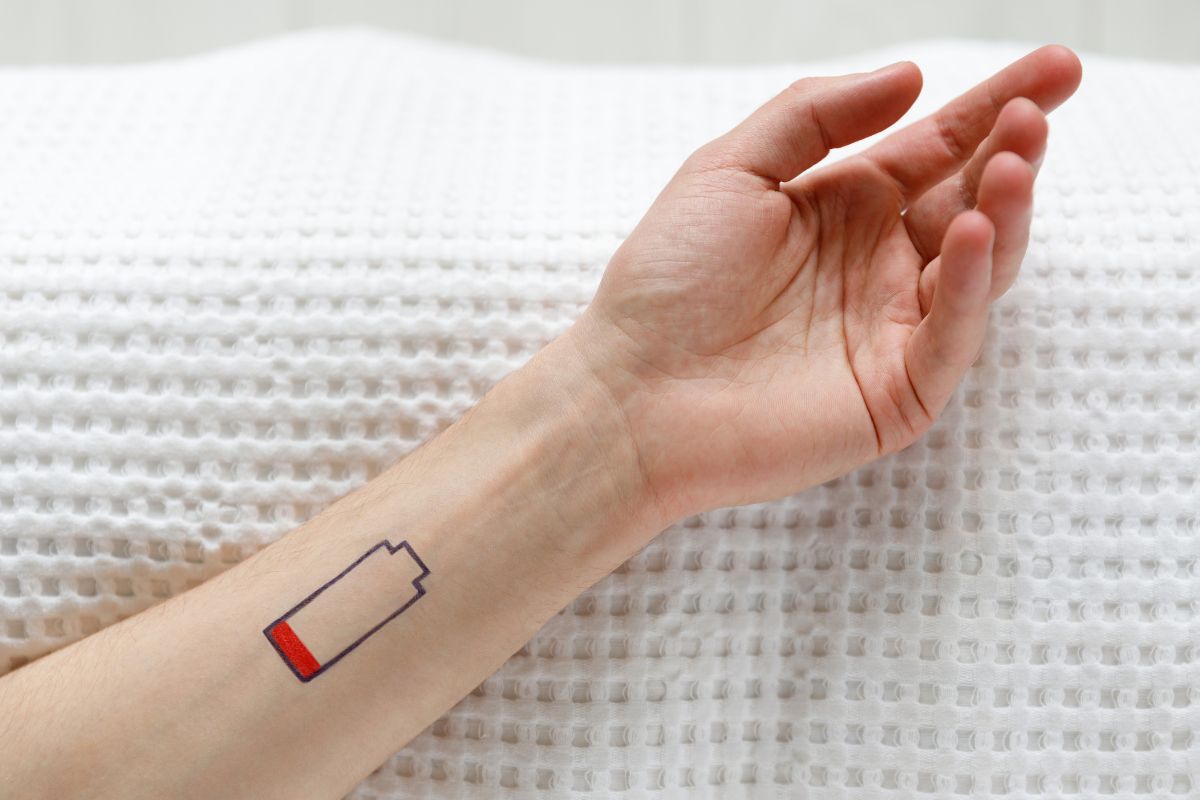
Feeling constantly tired has become so common that many adults now see it as a normal part of modern life. We drag ourselves out of bed exhausted, work on low battery all day and then scroll late into the night, accepting our fatigue as the unavoidable cost of being busy.
Because everyone around us seems equally drained, we often dismiss warning signs as just another phase of stress. Jokes about living on coffee, sleepless nights and running on fumes mask the fact that the body may be signaling something more serious than simple overwork.
When Fatigue Hides A Hormone Issue
Many people try to fix their exhaustion with holidays, supplements or longer sleep without realizing the problem could be hormonal. The thyroid, a small gland located in the neck, regulates metabolism, energy levels, body temperature, heart function, concentration, mood, skin and hair.
When the thyroid stops functioning properly, the consequences can affect almost every system in the body. Yet thyroid disorders often develop slowly and quietly, making their symptoms easy to confuse with ordinary stress, a demanding schedule or job burnout.
This overlap leads many people to postpone seeking medical help, assuming their tiredness is simply a by-product of modern life. If everyone seems to complain about similar symptoms, it can feel easier to accept exhaustion than to ask whether an underlying condition might be responsible.
Key Signs Beyond Simple Burnout
Although occupational burnout and thyroid disorders may appear similar, certain symptoms should raise concern. In hypothyroidism, people often feel persistently cold, gain weight without a clear reason, experience dry skin, hair loss, constipation and noticeably slower thinking.
Hyperthyroidism usually presents a different picture. Common symptoms include heart palpitations, excessive sweating, difficulty sleeping, inner restlessness and unintended weight loss despite an increased appetite.
Experts advise paying close attention when chronic fatigue is accompanied by clear physical changes rather than mental strain alone. In these situations, focusing only on stress management may delay an accurate diagnosis and effective treatment.
Why Women Are Especially At Risk
Thyroid diseases affect women far more often than men, with the risk estimated to be several times higher. At the same time, women are frequently expected to balance professional responsibilities, household duties and caregiving roles.
As a result, many concerning symptoms are minimized or explained away as ordinary stress. Women are often told that feeling exhausted, anxious or unable to focus is simply part of managing multiple responsibilities rather than a reason to investigate hormone levels.
Long-term stress and hormonal imbalances can also reinforce one another. The more strained the body becomes, the harder it is to cope emotionally, while increasing psychological stress can make it more difficult for the body to regain balance.
Beyond Gadgets And Quick Fixes
We live in an era that offers a technological or productivity-based solution for nearly every complaint. People buy new supplements, drink more coffee, track their sleep with smartwatches and search for ways to optimize energy and performance.
Sometimes, however, the answer is surprisingly simple and far less glamorous than the latest app. If you have felt exhausted for months, fail to recover after rest, struggle with concentration and notice unexplained changes in weight, hair or mood, basic blood tests may be more useful than another gadget.
Checking TSH, FT3 and FT4 levels typically takes little time and can provide valuable information about thyroid function. Rather than guessing why the body no longer seems to cooperate, a straightforward diagnostic test may be the first meaningful step toward restoring health and long-term energy.
