
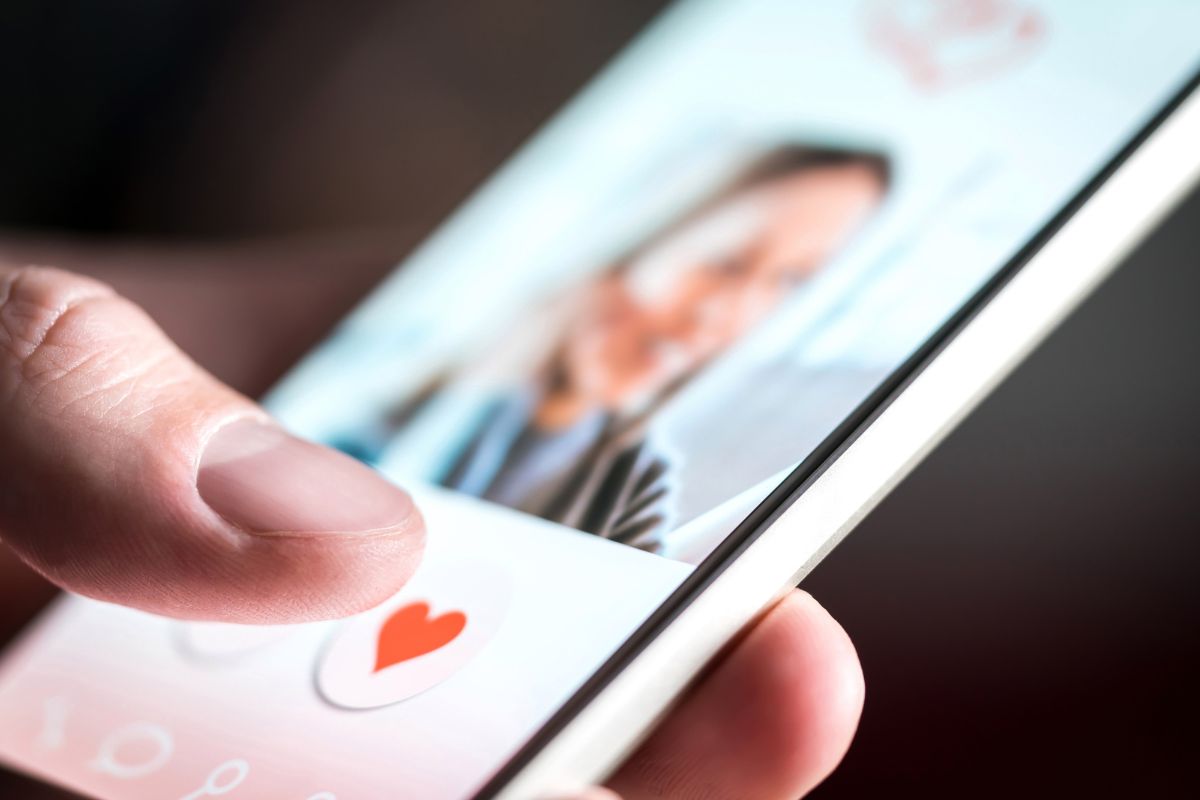
When Tinder, Bumble and other dating apps first emerged, they were marketed as a breakthrough in how people find partners. They removed geographic limits, widened social circles and helped users meet those they might never encounter offline. For many, this promise became reality as relationships and marriages increasingly began on a smartphone screen.
But with new opportunities came a new psychological environment that is fast, highly visual and intensely competitive. Researchers writing in outlets such as Psychology Today note growing evidence linking heavy use of dating apps with anxiety, lower self-esteem, social fatigue and persistent feelings of loneliness. While most findings are correlational, the trend is pushing psychologists to scrutinize the design logic of these platforms.
From Gradual Attraction To Instant Swipe
Offline, attraction usually unfolds gradually through conversation, humour, shared experiences and a sense of safety. Someone who seems ordinary at first can become deeply appealing over time because of their character, care and emotional compatibility. Time, nuance and context work together to shape how we see one another.
Dating apps compress this process into seconds. A few photos, age, height, job title and a short bio are all a user has to go on before making a decision. Many people consciously package themselves to look as attractive as possible, choosing carefully curated photos, polished bios and hiding perceived flaws. This digital self-branding can subtly reshape identity over time.
As a result, some users begin to see themselves as one profile among countless others, competing for limited attention. Likes, matches and incoming messages start to feel like a scorecard of personal worth. Rejection, instead of being seen as a mismatch of timing or preference, can be internalised as evidence of being not good enough.
The Emotional Costs Of Endless Choice
Studies increasingly describe a familiar cluster of outcomes tied to intensive app use: emotional exhaustion, heightened anxiety, body dissatisfaction and fragile self-esteem. These effects appear strongest in people already prone to social comparison or insecurity. The swipe-based interface, built on quick judgments and visual appeal, can intensify such tendencies.
A major driver is what researchers call the logic of abundance. There is always someone who appears slightly more attractive, interesting or successful just one swipe away. Even once a conversation has started, it is easy to divert attention to a newer match, creating a cycle of constant search and limited follow-through.
This dynamic contributes to what psychologists describe as dating burnout. Users may feel overwhelmed by chats that go nowhere, first dates that do not progress, or long stretches with few meaningful matches. Ironically, apps designed to bring people closer together can leave them more aware of their own isolation.
Short bursts of validation from matches and messages can create emotional highs, but they rarely translate into lasting closeness. The experience begins to resemble a slot machine, where occasional rewards keep people engaged even as they feel increasingly disconnected.
Validation, Ghosting And Replaceable People
One of the most important psychological shifts is the confusion between attention and intimacy. Receiving dozens of likes or messages does not guarantee a sense of being truly seen or understood. A user may feel socially visible while remaining deeply lonely in their everyday life.
Another striking change is the normalization of ghosting. In the offline world, behaviour is constrained by overlapping social circles, reputational concerns and shared context. On apps, people can simply disappear from a conversation without explanation or consequence, turning withdrawal into an easy, almost default option.
Over time, this can form a new habit: it feels simpler to leave than to stay and work through discomfort or miscommunication. This pattern can carry over into offline relationships, lowering the threshold for walking away rather than talking honestly.
Perhaps the most controversial effect is the subtle perception of people as interchangeable profiles. When choice appears endless, tolerance for imperfections can drop dramatically. An awkward pause in messaging, a joke that does not land or a mismatch in texting speed can be enough reason to move on instantly.
Such a mindset may erode empathy and patience in relationships. It does not necessarily make individuals worse or more selfish, but it reshapes the emotional context in which habits are formed. Users become accustomed to thinking in terms of options, upgrades and replacements.
Can Dating Apps Support Healthier Bonds?
Despite these concerns, dating apps are not inherently harmful. They remain a vital tool for people in remote areas, those with limited social circles or individuals seeking specific communities, such as LGBTQ+ users or those with niche interests. For many, they offer safety, control and access that offline spaces do not provide.
The challenge lies in how these platforms structure interaction: speed over depth, novelty over gradual familiarity, and choice over presence. Design features that emphasise slow conversation, shared activities or values-based matching could help counter the more transactional aspects of swiping.
Experts increasingly recommend that users set boundaries around app time, notice emotional patterns triggered by swiping and focus on fewer, more intentional conversations. Some also encourage taking regular breaks to reconnect with offline life, friends and hobbies as a way to stabilise self-worth.
Ultimately, dating apps have not only changed how people meet, but they are quietly rewriting the psychology of relationships. In a world where a person can become a card in an endless catalogue, it is easy to start thinking in terms of better or worse, replace or upgrade. The deeper shift, however, is not in the technology itself but in the habits it cultivates.
If we grow used to seeing others as temporary options, this affects far more than just romantic encounters. It reshapes how we understand the value of closeness, trust and emotional presence in all areas of life. Recognising this influence is a first step toward using digital tools without letting them define what love should feel like.
