
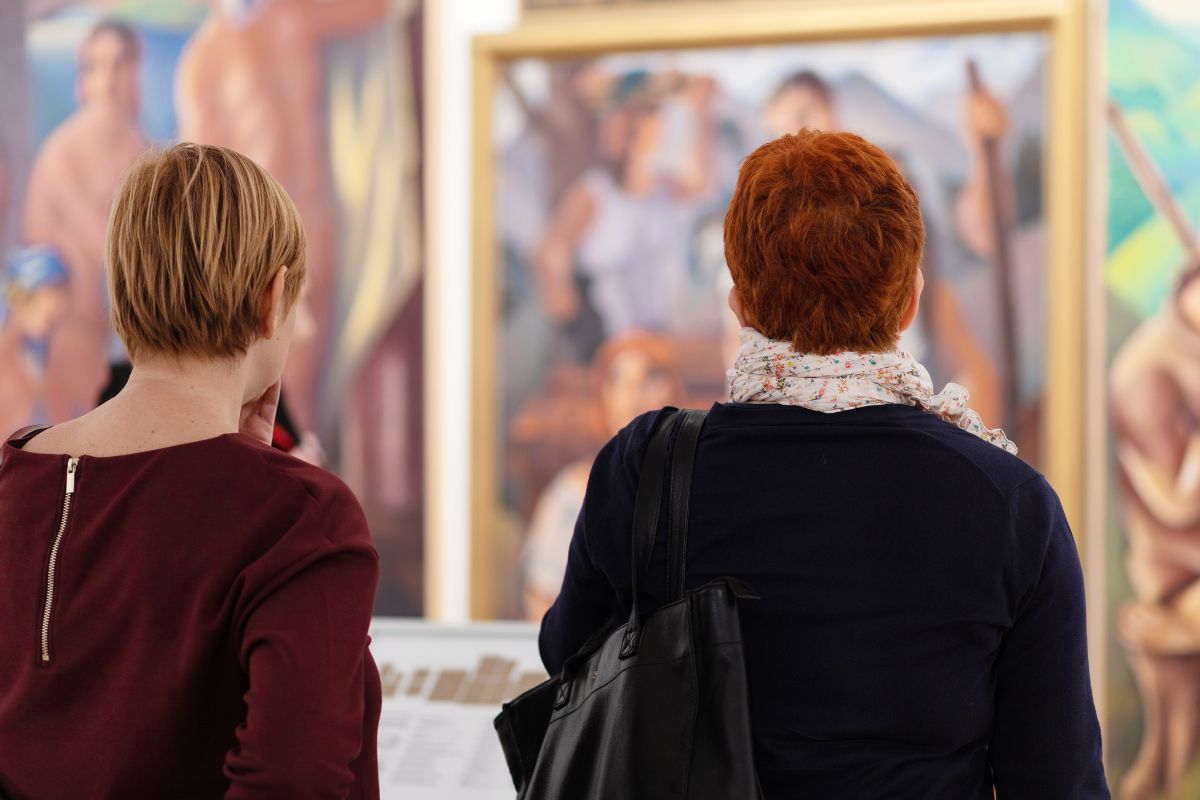
Engaging with art and culture once a week may slow how quickly our bodies age, according to new research from University College London. The study suggests that museum visits, concerts, or creative hobbies could benefit biological aging almost as much as regular exercise.
Several years ago, doctors in Canada began prescribing museum visits to support patient well-being. At the time, the idea sounded unconventional. Now, scientists say there is measurable biological evidence that artistic and cultural experiences may genuinely support healthier aging.
Arts, Culture And Aging Markers
Researchers analyzed data from more than 3 500 adults in the United Kingdom, tracking how often they participated in arts or cultural activities. These included visiting museums and galleries, going to libraries, crafting, painting, singing, dancing, and similar pursuits.
The team compared these habits with results from seven different epigenetic clocks, which estimate biological age by examining chemical markers on DNA. These clocks help measure how fast someone may be aging internally beyond their actual chronological age.
Participants who engaged in at least one arts or cultural activity per week showed slower biological aging than those who rarely participated. On one important epigenetic clock, their pace of aging appeared approximately 4 percent slower, even after researchers adjusted for other lifestyle factors.
How Epigenetic Clocks Work
Epigenetic clocks are statistical tools that connect patterns of gene regulation with health and lifespan. Rather than measuring time directly, they estimate biological age from changes in DNA methylation, a process influenced by environment, stress, and behavior.
In this study, scientists used several clocks to capture different aspects of aging, including overall health and disease risk.
Although no single epigenetic clock is considered definitive, similar findings across multiple models strengthened the overall conclusions.
One newer model, known as DunedinPACE, focuses specifically on the speed of aging rather than age itself.
Using this measure, researchers found that people participating in arts activities three or more times per year aged about 2 percent more slowly than those who almost never engaged in such activities.
Monthly participation was linked to a 3 percent slower pace of aging, while weekly participation was associated with roughly a 4 percent slowdown.
The effect appeared strongest among middle-aged adults, suggesting habits developed during midlife may play an especially important role in long-term health.
Comparable Benefits To Exercise
Researchers also examined another biological aging model called the PhenoAge clock, which compares chronological age with the age predicted by a person’s health markers.
Using this measure, adults who participated in arts or cultural activities at least once a week appeared biologically about one year younger on average.
The researchers noted that this difference was nearly twice as large as the gap observed between people who exercised weekly and those who did not exercise regularly.
The findings build on earlier research linking arts engagement with lower stress levels, reduced inflammation, and better cardiovascular health.
Scientists emphasize that the study was observational, meaning it cannot prove that art or culture directly causes slower aging. However, the consistent associations and plausible biological explanations support the idea that cultural engagement may represent a meaningful health behavior.
Art As Part Of Preventive Health Care
Experts say artistic and cultural activities may combine several health-promoting elements at once, including movement, mental stimulation, emotional expression, and social connection.
All of these factors are known to support healthy aging, and even a simple museum visit may provide multiple benefits simultaneously.
The findings also align with the growing practice of social prescribing, in which clinicians recommend non-medical activities such as gardening, walking groups, volunteering, or creative programs to improve well-being.
Previous research suggests these approaches may help reduce loneliness, anxiety, and mild depression.
The authors argue that arts and cultural engagement should increasingly be viewed alongside exercise and healthy nutrition as part of preventive health strategies.
They also suggest that improving affordability and access to cultural activities could support healthier aging at the population level.
The study was published in the peer-reviewed journal Innovation in Aging and adds to a growing body of evidence exploring how creativity, social involvement, and lifestyle habits influence the biology of aging.
