
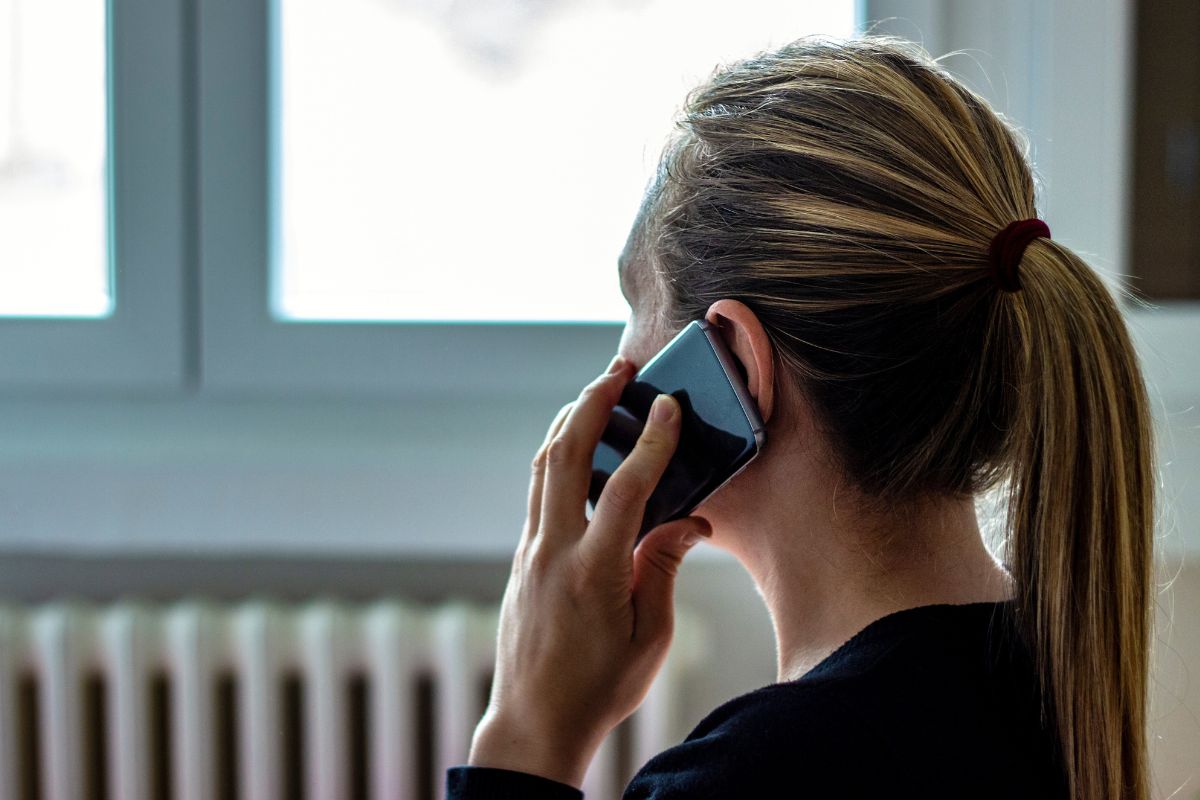
In an era dominated by messaging apps and social media, more people are avoiding phone calls and even experiencing anxiety when the phone rings. Short text exchanges are increasingly replacing deeper conversations, a trend experts link to the growing epidemic of loneliness in high-income countries.
Psychologists and psychiatrists warn that although digital tools make communication easier, they can also weaken the quality of relationships. New research suggests that people who still prefer real conversations — including phone calls — may not only protect their mental health more effectively, but also share several valuable personality traits.
Why Conversation Protects Mental Health
Health authorities in the United States and Europe have repeatedly warned about rising loneliness, describing it as a serious public health concern. Social isolation has been linked to an increased risk of depression, cardiovascular disease, and even premature death, placing it alongside smoking and obesity as a major health risk factor.
Studies published in leading medical journals suggest that regular, meaningful conversations can partially counteract these risks. Voice contact activates brain regions associated with social bonding, helps regulate stress hormones, and provides emotional validation that brief text messages often fail to deliver.
Research published in JAMA Psychiatry and other scientific journals has linked strong social connections with lower rates of anxiety and mood disorders. Even short daily conversations — whether in person or by phone — appear to reduce cortisol levels, improve mood, and strengthen resilience to everyday stress.
Callers Invest More in Relationships
Experts note that choosing a phone call over a text message is often a sign of deeper emotional investment in relationships. People who enjoy talking tend to seek genuine closeness, show curiosity about others’ lives, and are more willing to provide support during difficult moments.
Because conversation requires both time and attention, it sends a stronger signal that the relationship matters. Psychologists emphasize that trust and intimacy usually develop through regular, meaningful interaction rather than through likes, reactions, or brief chat responses alone.
Straightforward, Open, and Less Afraid of Feelings
Psychologists say that people who frequently make phone calls often value honesty and clarity more than those who rely primarily on written communication. Texting makes it easier to hide behind vague phrases, emojis, or delayed replies, which can increase misunderstandings and emotional tension.
By contrast, individuals who prefer speaking directly are generally more comfortable with open communication. They tend to be less afraid of misunderstandings and more willing to express what they think and feel. This openness is often associated with higher emotional intelligence and greater tolerance for difficult emotions.
Emotional Intelligence and Spontaneity
Preferring live conversation may also reflect greater confidence in handling emotions — both one’s own and those of other people. Tone of voice carries emotional nuances such as hesitation, irony, warmth, or concern, allowing emotionally attuned individuals to respond more accurately and empathetically than through text alone.
Researchers also suggest that such people often value spontaneity. Instead of carefully editing every sentence, they are comfortable with the natural rhythm of conversation, including laughter, topic changes, interruptions, and moments of silence.
This authenticity can strengthen emotional bonds and reduce feelings of isolation.
Taking Responsibility Instead of Disappearing
Messaging apps make it easy to avoid difficult discussions by simply stopping replies or disappearing from a conversation. Psychologists warn that this habit may weaken conflict-resolution skills and reduce personal accountability in communication.
People who prefer phone conversations are generally more willing to confront uncomfortable topics directly. They often find it easier to apologize, clarify misunderstandings, or admit mistakes.
Mental health experts stress that these abilities are essential for maintaining healthy long-term relationships — romantic, family, and professional alike.
Ready for Awkward Pauses and Emotional Tension
Text conversations create a sense of control because messages can be rewritten, deleted, and sent after careful consideration. Phone conversations, however, unfold in real time, which may feel stressful for individuals who fear rejection, criticism, or emotional confrontation.
Experts say that people who naturally choose phone calls often tolerate uncertainty and emotional tension more comfortably. They are less intimidated by pauses, awkward silence, or another person’s irritation and usually prefer to resolve issues quickly instead of prolonging misunderstandings through short and ambiguous text exchanges.
Psychologists emphasize that no single communication method is ideal in every situation and that messaging can still be useful when used consciously. However, current evidence suggests that maintaining real conversations — especially voice-to-voice communication — remains one of the simplest and most effective ways to support mental health and strengthen relationships in an increasingly digital world.
