
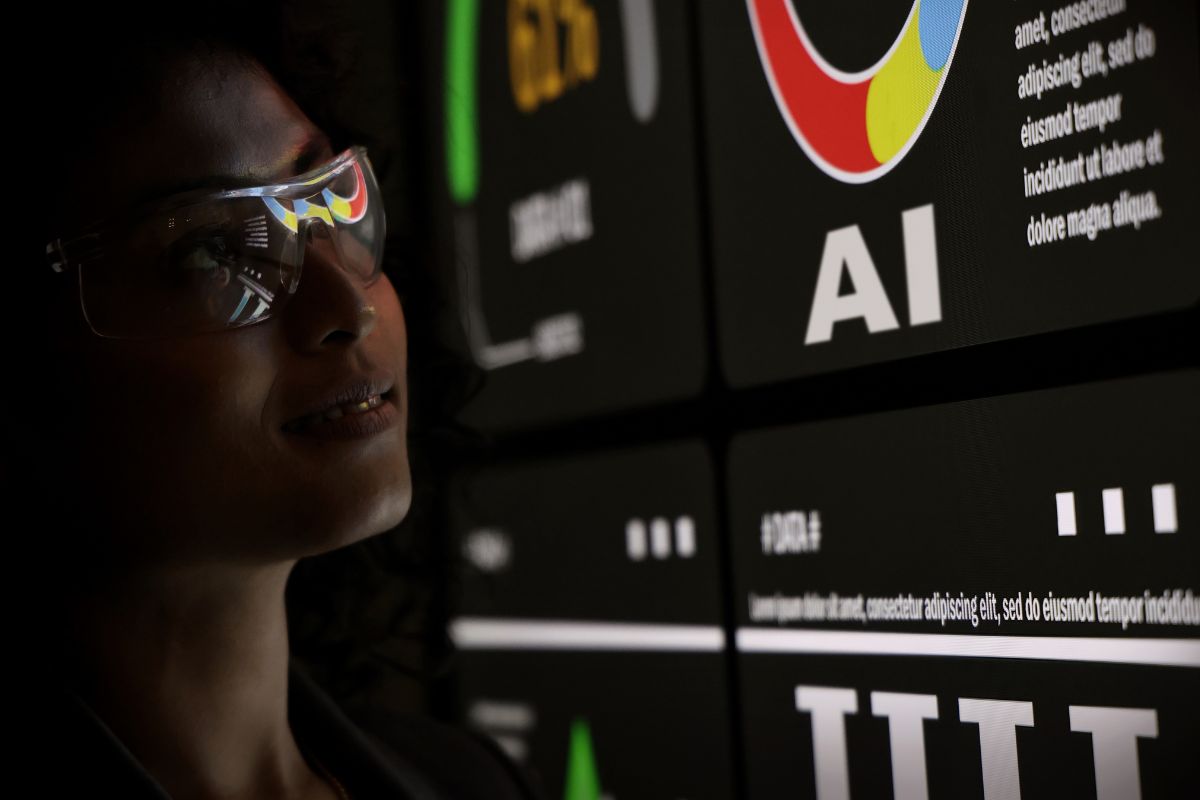
Human–AI interactions are often discussed in terms of trust, usefulness, and companionship. However, the role of attachment—how people seek security and emotional reassurance in relationships—has remained less clear. Researchers at Waseda University have now applied attachment theory to human–AI relationships, developing a new self-report tool to measure how people relate to AI in terms of attachment anxiety and avoidance. This work is expected to support further research on human–AI bonding and inform more ethically grounded AI design.
As artificial intelligence becomes increasingly embedded in everyday life, interactions with AI systems are growing more frequent and complex. Until now, many studies have focused on whether people trust AI or experience it as a companion. The Waseda University team argues that another perspective may also be useful: attachment-related functions and experiences—a framework traditionally used to explain emotional bonds between humans.
In a project that included two pilot studies and one formal study, researchers, including Fan Yang and Professor Atsushi Oshio, examined whether attachment theory can help describe how people engage with AI. Their findings were published online in Current Psychology on May 9, 2025.
According to the researchers, the rise of powerful generative AI tools has changed what people may seek from these systems. Beyond information and task support, some users may also look for comfort, reassurance, or a sense of stability—qualities that resemble features associated with secure relationships in attachment theory. The team set out to explore whether this kind of emotional or security-seeking experience can be meaningfully measured in human–AI interactions.
A key outcome of the research was the development of a new questionnaire called the Experiences in Human–AI Relationships Scale (EHARS), designed to assess attachment-related tendencies toward AI. The researchers found that some people use AI for guidance in ways similar to how they might rely on other people. In the study, nearly 75% of participants reported turning to AI for advice, while about 39% described AI as a constant, dependable presence.
The study identifies two main dimensions of attachment to AI: anxiety and avoidance. People with higher attachment anxiety toward AI may seek emotional reassurance and worry about receiving insufficient or unsatisfying responses. In contrast, people with higher attachment avoidance may feel uncomfortable with closeness and prefer to maintain emotional distance from AI systems.
The researchers emphasize that these results do not necessarily mean that people are forming the same kind of genuine emotional attachment to AI as they do with humans. Instead, the findings suggest that psychological concepts used to understand human relationships may also help explain certain patterns in human–AI interactions.
The work also has implications for ethical AI design, especially for AI companions and mental health support tools. For example, chatbots used in loneliness interventions or therapy-related applications could be adapted to different emotional needs—offering more reassurance to users with higher attachment anxiety, while maintaining a more respectful, less intimate tone for users with avoidant tendencies. The researchers also point to the importance of transparency in AI systems that simulate emotional relationships, such as romantic companion apps or caregiving robots, to reduce the risk of emotional overdependence or manipulation.
Finally, the EHARS tool could help developers and psychologists assess how users relate to AI emotionally and adjust interaction strategies accordingly. As AI becomes more integrated into daily routines, the researchers argue, understanding these psychological dynamics will be important not only for product design but also for broader discussions about well-being, policy, and the responsible deployment of socially interactive AI.