
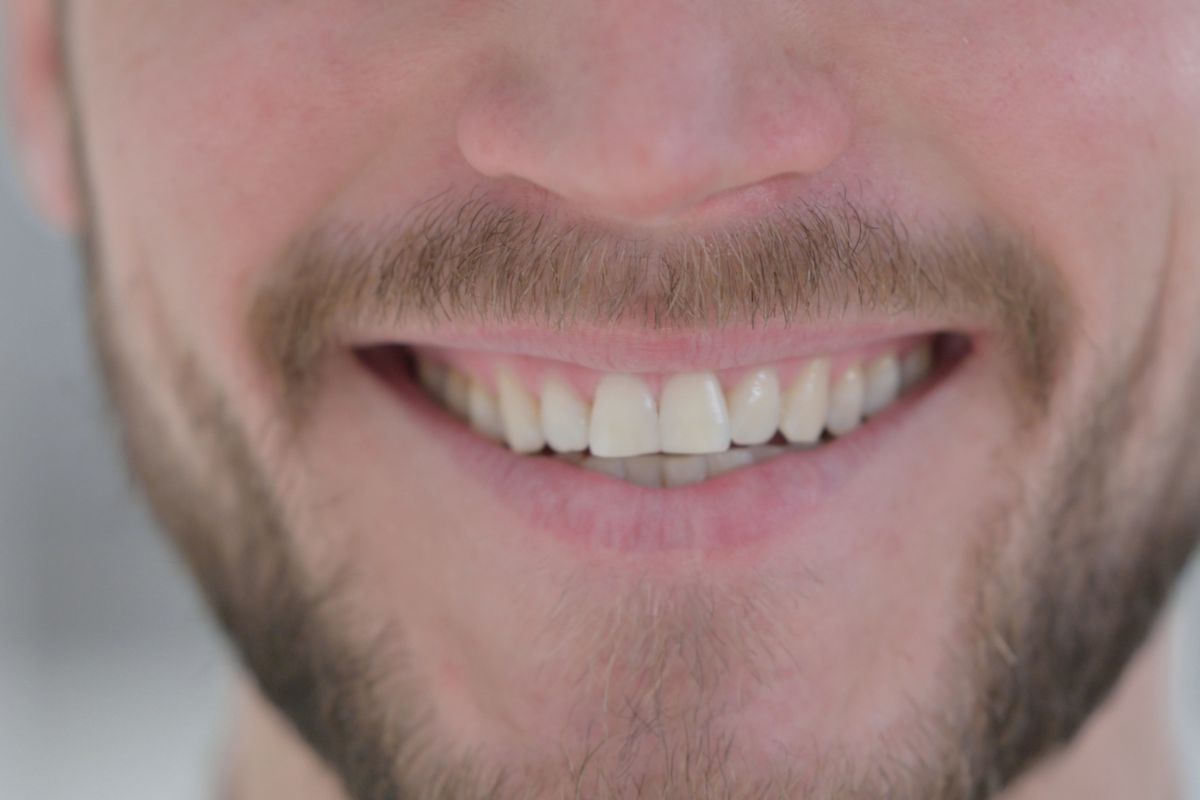
Teeth and gums have long been considered important indicators of overall health, but recent analyses suggest that this connection is stronger than many people realize. Studies conducted in Japan, the United States, and Scandinavian countries indicate that people with multiple cavities, chronic inflammation, or missing teeth are more likely to develop long-term illnesses and tend to have shorter lifespans.
The link between oral health and cardiovascular disease is particularly notable. Untreated infections in the mouth can contribute to inflammation throughout the body, which may increase the risk of high blood pressure and coronary artery disease. Similar patterns have also been observed in diabetes and neurological conditions, including cognitive decline.
One large study involving people over the age of 75 found a clear association between the number of natural teeth retained and lifespan. Participants with fewer teeth, or those who did not treat tooth decay, were more likely to die earlier than their peers who maintained good oral hygiene and addressed dental problems.
The reasons are complex. Missing teeth can make chewing difficult and affect digestion, which may lead to nutrient deficiencies. Over time, the body can weaken and immunity may decline. This creates conditions that support the development of additional diseases, potentially shortening life.
Medical literature increasingly refers to the concept of “oral frailty.” This term describes a set of issues such as tooth loss, dry mouth, and difficulty chewing or swallowing.
Research suggests that people experiencing several of these problems at once face a significantly higher risk of declining health and mortality. Malnutrition and long-term inflammation appear to play key roles, especially when they develop gradually over many years.
That is why dentistry is increasingly seen as an integral part of preventive healthcare, rather than merely a field focused on treating teeth.
Although these findings may sound serious, the takeaway is surprisingly straightforward: consistent oral hygiene and preventive care can have a real impact on overall health.
Good daily care starts with thorough toothbrushing at least twice a day, flossing, and cleaning the tongue. These simple habits help limit bacterial growth and maintain a healthy balance in the mouth.
Regular dental checkups are just as important. A visit every six months can help detect problems early and prevent complications. According to research, even basic preventive care may contribute to a longer life and a better quality of life in older age.