
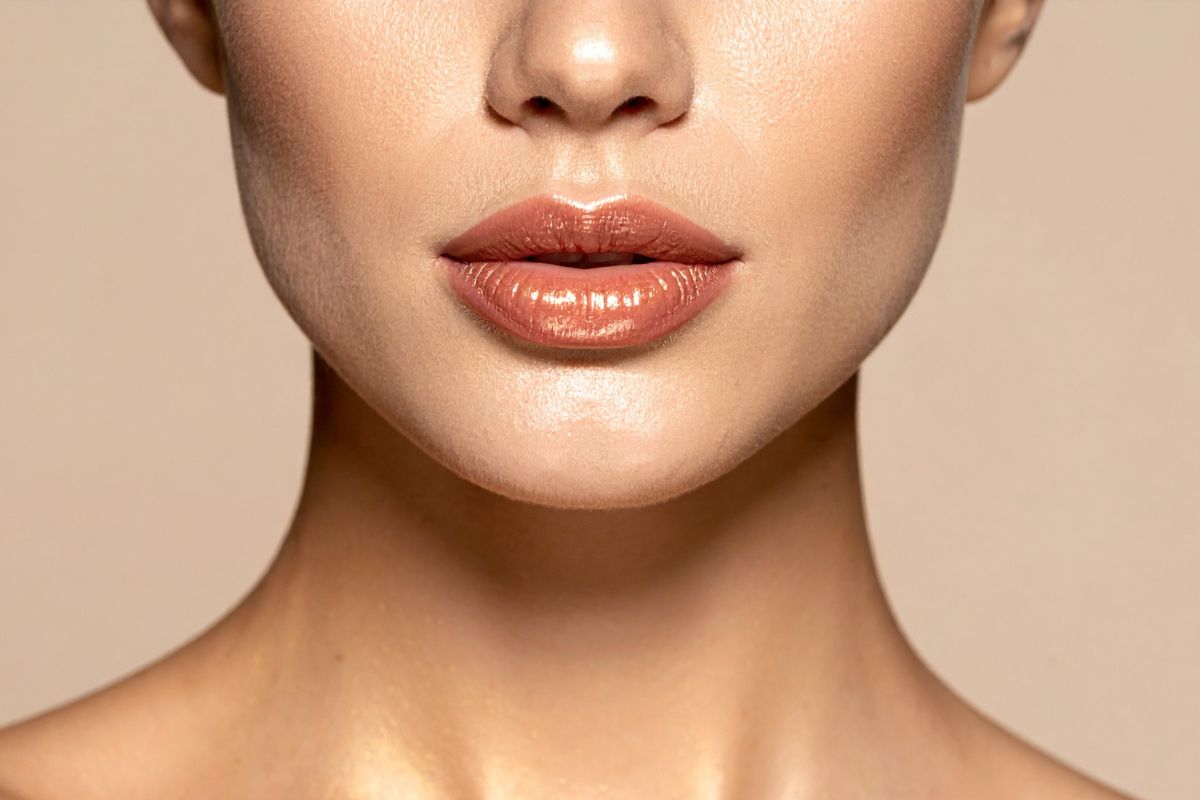
A new psychology study suggests that lip size can significantly influence how attractive a face is perceived to be—and that preferences may differ depending on the viewer’s gender and what they have recently seen.
Led by Professor David Alais from the School of Psychology at the University of Sydney, the research examined how people judge facial attractiveness when lip size is manipulated. The team also explored whether exposure to certain lip types can shift what people consider appealing, a phenomenon that could have implications in an era of widespread cosmetic enhancement.
The findings were published in Proceedings of the Royal Society B.
Key findings
- Overall preference pattern: When results were combined across all participants, male faces tended to be rated most attractive with thinner lips, while female faces were rated highest with fuller lips.
- Differences by observer gender: Female participants showed a stronger preference for fuller lips on female faces. Male participants, however, tended to prefer female faces with lips closer to their natural, unaltered size.
- “Adaptation” from recent exposure: Seeing a face with enlarged or reduced lips influenced how participants rated later faces. After viewing fuller lips, participants were more likely to rate fuller lips as attractive; after viewing thinner lips, thinner lips received higher ratings.
- Lips as a distinct visual feature: The shift in preference also occurred when people adapted to lips shown on their own, outside the context of a full face—suggesting the brain may encode lip size as a separable feature rather than only as part of overall facial structure.
What it could mean for body image
Professor Alais noted that the results may be relevant to the growing popularity of cosmetic procedures such as lip fillers. The findings suggest that lip augmentation may be particularly appealing to women, and that repeated exposure to enhanced lips could nudge perceptions of what looks “normal” or attractive toward a fuller-lip standard—potentially contributing to dissatisfaction with one’s natural appearance.
He also emphasized that beauty judgments are not fixed, but shaped by social and cultural influences, and that increasing access to cosmetic procedures makes it important to understand how these trends may affect expectations and self-image.
How the study was conducted
Researchers worked with Associate Professor Jessica Taubert from the University of Queensland and recruited 32 university students (16 women and 16 men). Participants were shown digitally manipulated faces in which lip size varied around a “normal” baseline.
In total, each participant evaluated 168 faces representing seven different lip sizes, ranging from thinner-than-normal to fuller-than-normal. Images were shown briefly, and participants had 1.25 seconds to register how attractive they found each face.
Across the full group, slightly fuller lips increased attractiveness ratings for female faces, while slightly thinner lips increased ratings for male faces. When separated by gender, men tended to favor the female face with natural lip size, whereas women preferred fuller lips.
What researchers want to explore next
While the study did not directly test cosmetic procedures, the authors say the results point to a complex interaction between social conditioning, immediate visual experience, and gender. They argue that further research is needed to understand whether long-term exposure to enhanced features may shift beauty standards in lasting ways—and whether visual adaptation could play a role in appearance-related distress or body dysmorphia.
