
For years, endocrinologist Leigh Perreault, MD, grew increasingly concerned about how weight issues were handled in everyday medical visits. Too often, patients left with the familiar advice to eat better and exercise more – guidance that was often insufficient for many patients.
Perreault, a professor of endocrinology, metabolism and diabetes at the University of Colorado Anschutz School of Medicine who works alongside primary care physicians in Westminster, recalls a moment of frustration while treating patients for related conditions.
“There was a moment I put my face in my hands and thought, ‘What am I doing?’” she said, describing how frequently she prescribed medications for diabetes, blood pressure and cholesterol. Over time, she came to believe many of those prescriptions were addressing downstream effects rather than the underlying driver. If patients could get effective help with weight management, she reasoned, some of those health issues might improve as well.
That thinking led to a new model designed to change how weight care is offered in primary care settings.
A structured program called PATHWEIGH
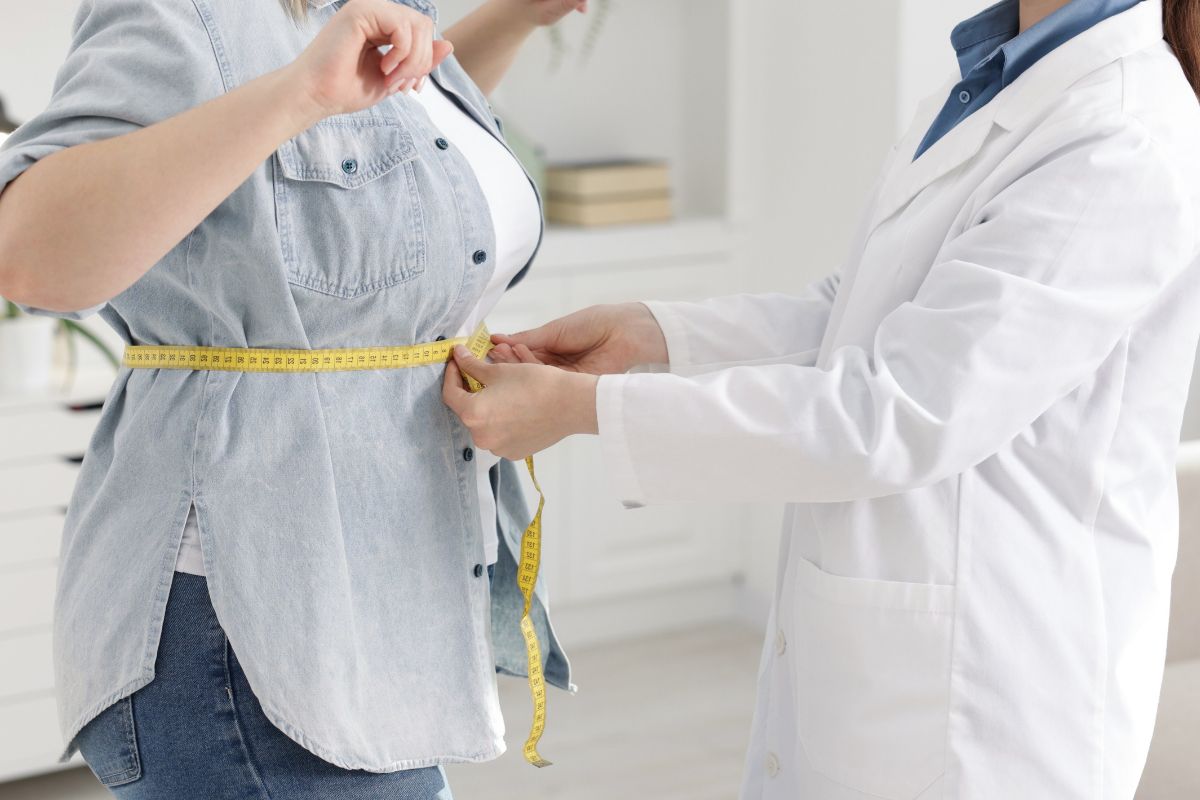
Perreault and her colleagues created PATHWEIGH, a standardized clinical process meant to make weight-related care practical, specific and accessible. A key feature is dedicated appointments focused on weight management, rather than trying to squeeze complex conversations into an already packed routine visit.
With support from the National Institutes of Health, the program was implemented across 56 UCHealth primary care clinics in Colorado to measure its impact. The pilot involved 274,182 patients, making it one of the largest randomized trials of its kind.
Findings published in Nature Medicine reported that, over 18 months, the program reduced population weight gain by 0.58 kg and shifted the overall trend from gradual weight gain to weight loss – an outcome with significant public health implications. The program also increased the likelihood that patients would receive weight-related care, raising participation by 23%.
Perreault said the results were notable because the approach changed the trajectory across an entire primary care population. As interest grows, obesity specialists have pointed to PATHWEIGH as a potential model for standard practice, and other health systems have begun exploring how to adopt it.
Creating a clear path to care
Perreault describes PATHWEIGH as a way to align patients and clinicians around a shared plan, while making it easier for clinics to deliver care consistently. In her view, treatments like medication, surgery or structured programs are “vehicles,” but health systems also need a reliable “road” that helps people access those options without confusion or delay.
The pathway started with a simple invitation: clinics posted signs letting patients know they could request an appointment focused specifically on weight management by asking at the front desk.
That request triggered an electronic health record workflow. Patients received a survey, and once completed, their responses automatically populated the clinician’s notes. This reduced time spent gathering background information and helped visits focus on practical next steps.
Perreault said the workflow effectively turned the clinic note template into a structured menu of evidence-based options, consolidating potential interventions into a single interface and making the process more time-efficient for primary care teams.
Reducing barriers and uncomfortable conversations
Over 18 months, researchers found that about approximately one in four eligible patients received some form of weight-related care at least once during the trial. Most of that care involved lifestyle counseling, but prescriptions for anti-obesity medications doubled during the intervention.
Rather than forcing a one-size-fits-all approach, PATHWEIGH allowed care to be tailored to the individual. It also aimed to reduce the awkwardness that often surrounds discussions of weight in healthcare settings.
Perreault noted that many people who want help never receive it – either because they do not ask or because clinicians hesitate to raise the topic. When the conversation does happen, patients may be left with vague advice and no follow-up. Over time, she said, frustration and embarrassment can discourage people from seeking help again.
PATHWEIGH was designed to change that dynamic by offering a clear, judgment-free process: if a patient wants medical support for weight management, there is a straightforward pathway to get it.
Why small changes matter at scale
Public health experts estimate that rising obesity rates are driven in part by average population weight gain of about 0.5 kg per year. Even small shifts – such as stopping steady annual gain and moving the trend toward modest loss – can have significant effects when applied across large populations.
Perreault emphasized that while the average difference may not look dramatic for an individual patient, it becomes highly meaningful at a population level.
Researchers also found that people who received clearer, structured weight-related care through PATHWEIGH experienced greater weight loss. Even patients who did not receive a direct intervention saw less weight gain than would typically be expected.
Moving beyond Colorado
Perreault said the program’s results have created momentum for broader adoption. Plans are underway to expand PATHWEIGH beyond Colorado, and the Obesity Association – currently developing its first standards of care for obesity – has highlighted the model as a recommended care process.
Several health systems across multiple states are also evaluating PATHWEIGH as its creators work toward licensing the approach.
“I’m really proud that PATHWEIGH was home-grown and built and tested here in Colorado,” Perreault said. “This is the blueprint that moves us forward.”
