
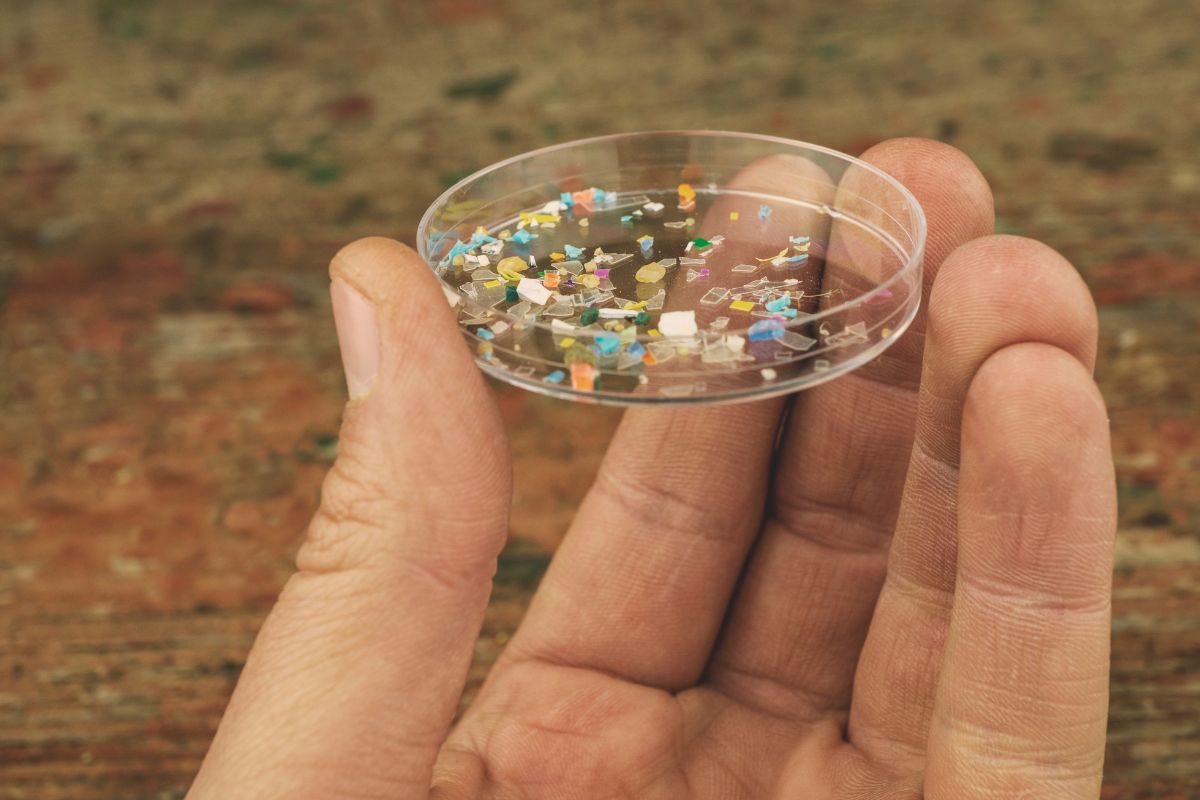
Researchers have detected microplastics in every human artery sample examined, adding to growing evidence that microscopic plastic particles are accumulating throughout the body. The study, published in the Journal of Hazardous Materials, found the particles in all 17 arterial tissue samples analyzed, with some diseased arteries containing substantially higher concentrations than healthier tissue.
The findings add to mounting concerns that microplastics may contribute to cardiovascular disease, although the researchers emphasize that the current evidence shows an association rather than proving that the particles directly cause artery damage.
Microplastics were found in every artery examined
Microplastics are plastic particles smaller than 5 millimeters that originate from the breakdown of larger plastic products or are manufactured at microscopic sizes for commercial use.
Previous studies have already identified these particles in human blood, lungs, bones, liver, reproductive tissues, and even the brain.
To investigate whether they also accumulate in arteries, researchers at Capital Medical University in China analyzed tissue samples collected during vascular surgery.
The study included 17 samples taken from coronary, carotid, and aortic arteries—blood vessels responsible for supplying oxygen-rich blood to the heart, brain, and the rest of the body.
Every single sample contained detectable microplastics, often at concentrations exceeding those previously reported in human blood.
Diseased arteries contained more microplastics
The researchers observed that arteries containing atherosclerotic plaques had approximately twice the concentration of microplastics compared with plaque-free sections of the aorta.
Atherosclerosis develops when fatty deposits accumulate inside artery walls, gradually narrowing blood vessels and increasing the risk of heart attacks and strokes.
Although previous animal studies have suggested that microplastics may accelerate plaque formation, the authors caution that their findings do not establish a direct cause-and-effect relationship in humans.
Differences in artery type, underlying medical conditions, or other patient characteristics could also contribute to the observed variation in microplastic concentrations.
How microplastics may affect blood vessels
Scientists are still working to understand how microplastics interact with human tissues.
Laboratory and animal studies indicate that the particles can trigger oxidative stress, damage cells, and interfere with normal energy metabolism.
Research has also shown that microplastics may activate immune responses and promote chronic inflammation—one of the key biological processes involved in the development and progression of atherosclerosis.
Persistent inflammation can weaken arterial plaques, increasing the likelihood that they rupture and trigger heart attacks or strokes.
However, researchers still do not know what particle sizes, concentrations, or exposure durations represent the greatest risk for human health.
PET was the most common plastic detected
Among all plastic types identified, polyethylene terephthalate (PET) accounted for nearly three-quarters of the particles detected in arterial tissue.
PET is widely used to manufacture disposable beverage bottles, food packaging, and synthetic clothing fibers.
Researchers believe microplastics enter the body through several pathways, including food, drinking water, and inhaled air.
Once inside the digestive system or lungs, the smallest particles may cross biological barriers, enter the bloodstream, and eventually become lodged in tissues such as arteries.
The predominance of PET likely reflects how frequently people encounter this material in everyday life.
Other studies raise similar concerns
The findings align with other recent research investigating the cardiovascular effects of microplastics.
A 2024 study published in The New England Journal of Medicine followed 257 patients for nearly three years and found detectable polyethylene or PVC microplastics within arterial plaques in almost 60 percent of participants.
Patients with higher concentrations of plastic particles in their plaques were more likely to experience heart attacks, strokes, or death during follow-up, even after researchers accounted for established cardiovascular risk factors such as age and smoking.
Together, these studies suggest that microplastics may not simply circulate through the bloodstream but could accumulate inside diseased arteries.
Nevertheless, scientists stress that larger studies will be needed to determine whether the particles actively contribute to cardiovascular disease or simply collect in already damaged tissue.
What researchers hope to learn next
Because exposure to plastics has become nearly unavoidable, researchers consider understanding their health effects an increasingly important public health priority.
Future studies will investigate how microplastics are distributed throughout the arterial system, how concentrations vary across different populations, and whether factors such as diet, occupation, air quality, or lifestyle influence long-term accumulation.
Scientists also hope to improve methods for detecting even smaller nanoplastics, which may penetrate cells and tissues more easily than larger particles.
The authors say their work represents an important early step toward understanding the potential cardiovascular risks posed by microplastics, but much remains unknown.
For now, experts suggest that people who want to reduce exposure can take practical steps such as limiting single-use plastics, choosing tap water where it is safe, and reducing indoor dust through regular cleaning and good ventilation. However, they note that meaningful reductions in human exposure will ultimately depend on broader changes in plastic production, waste management, and environmental policies.
