
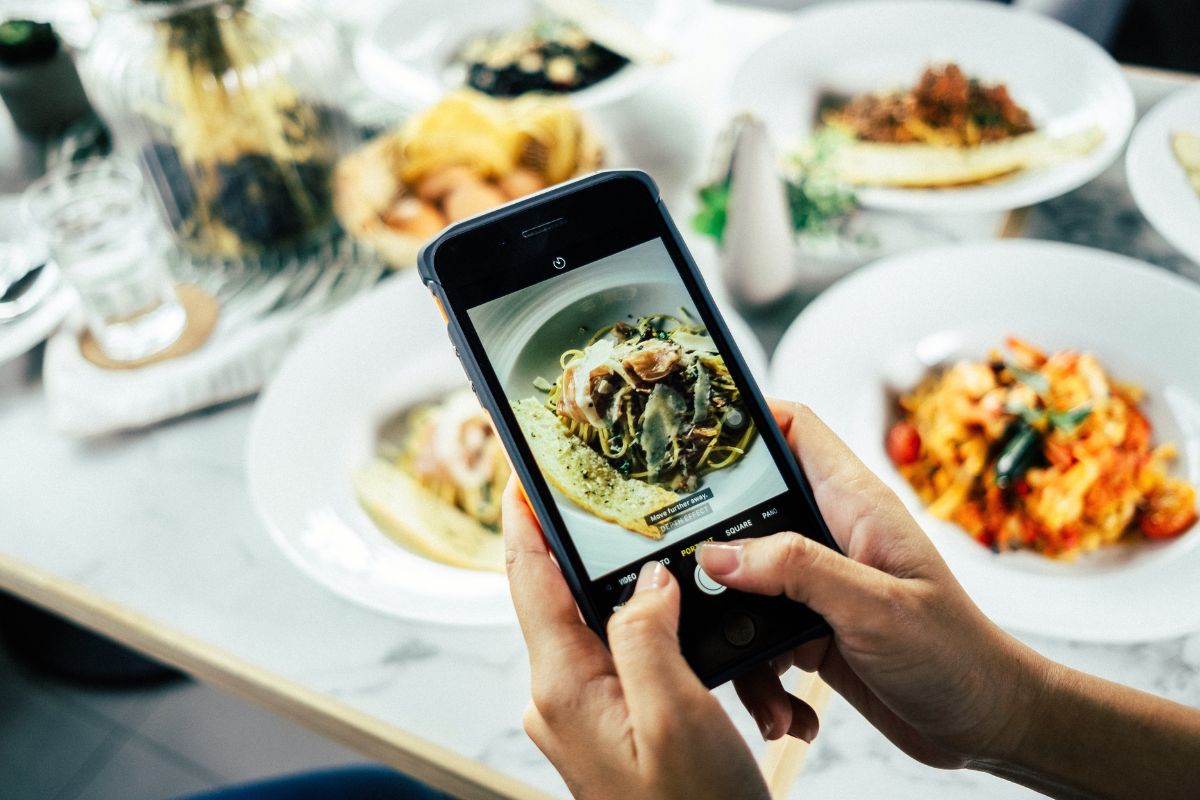
A new study backed by the U.S. National Institutes of Health suggests that popular AI-powered food photo apps may substantially underestimate the calories and fat contained in meals. Researchers found that four widely used nutrition apps consistently reported lower energy intake than the true values, raising concerns for people who rely on these tools to manage weight or chronic health conditions.
The findings, presented at NUTRITION 2026, suggest that while AI meal-tracking apps offer a convenient alternative to manually logging food, they may not yet provide the level of accuracy needed for precise dietary management. Because the study has so far been presented only as a conference abstract, the findings should be considered preliminary until they undergo full peer review.
How the researchers tested the apps
Photo-based nutrition apps allow users to take a picture of a meal, after which artificial intelligence attempts to identify the foods, estimate portion sizes, and calculate calories and nutrients using nutrition databases. This approach is designed to make food tracking faster and easier than entering every ingredient manually.
To evaluate how accurately these systems perform, researchers at the National Institute of Diabetes and Digestive and Kidney Diseases used meals prepared for a tightly controlled nutrition study at the NIH Clinical Center. Every ingredient had been weighed to within 0.1 gram in a specialized metabolic kitchen, providing an unusually precise reference for calorie and nutrient content.
The researchers photographed 102 standardized meals and analyzed the images using four popular applications: MyFitnessPal, LoseIt!, CalAI, and Appediet. Each app’s estimates were then compared with the known nutritional composition of the meals.
Study author Aaron Hengist said the researchers wanted to determine whether these increasingly popular tools are accurate enough to support health-related decision-making. Co-author Olivia Charles presented the findings during NUTRITION 2026, the annual scientific meeting of the American Society for Nutrition.
The apps consistently underestimated calories
Across all four applications, estimated calorie values were generally between 250 and 345 calories lower per meal than the actual measured values. For people tracking several meals each day, this level of underestimation could substantially distort total daily energy intake.
The apps also consistently underestimated fat content, missing approximately 30 grams of fat per meal on average. Their estimates of carbohydrate intake were generally more accurate.
Among the four applications, MyFitnessPal and LoseIt! performed somewhat better when analyzing higher-calorie meals, suggesting that larger or more visually obvious portions may be easier for current AI systems to evaluate than smaller or more complex meals.
The researchers caution that users who rely entirely on a single photograph without correcting portion sizes or adding foods manually should interpret calorie estimates carefully. Meals containing energy-dense ingredients may contain substantially more calories than the apps report.
Ketogenic meals were especially difficult
To better understand where the largest errors occurred, the researchers also evaluated more than 200 additional meals representing two dietary patterns: a ketogenic diet and a more typical mixed diet.
Early analyses suggest that the AI systems struggled more when evaluating ketogenic meals, which typically contain much higher amounts of fat and fewer carbohydrates.
Because the applications repeatedly underestimated fat intake, ketogenic meals appeared particularly vulnerable to inaccurate nutritional estimates. This limitation could be especially important for people following medically supervised ketogenic diets to manage conditions such as epilepsy or diabetes, where maintaining precise macronutrient ratios is often essential.
The researchers suggest that combining AI photo recognition with traditional food logging methods, including manual adjustments and occasional weighing of foods, may currently provide more reliable results while also helping improve future AI models.
What the findings could mean
The researchers emphasize that the findings do not mean photo-based nutrition tracking is without value. Even when estimates are imperfect, consistently monitoring meals may still help many people become more aware of eating habits and portion sizes over time.
However, individuals who require greater dietary precision—including people managing obesity, diabetes, cardiovascular disease, or competitive athletic performance—may need more accurate methods than AI image recognition alone can currently provide.
Because the research has not yet undergone peer review, additional studies will be needed to confirm the findings across a wider variety of foods, cuisines, lighting conditions, and mobile applications. Future research will also examine whether newer AI models can reduce estimation errors to levels suitable for clinical use.
For now, the findings suggest that AI-powered food photo apps should be viewed as convenient dietary tools rather than precise nutritional measuring instruments. While they may simplify meal tracking, users should recognize that actual calorie and fat intake could be substantially higher than the numbers displayed on screen.
