
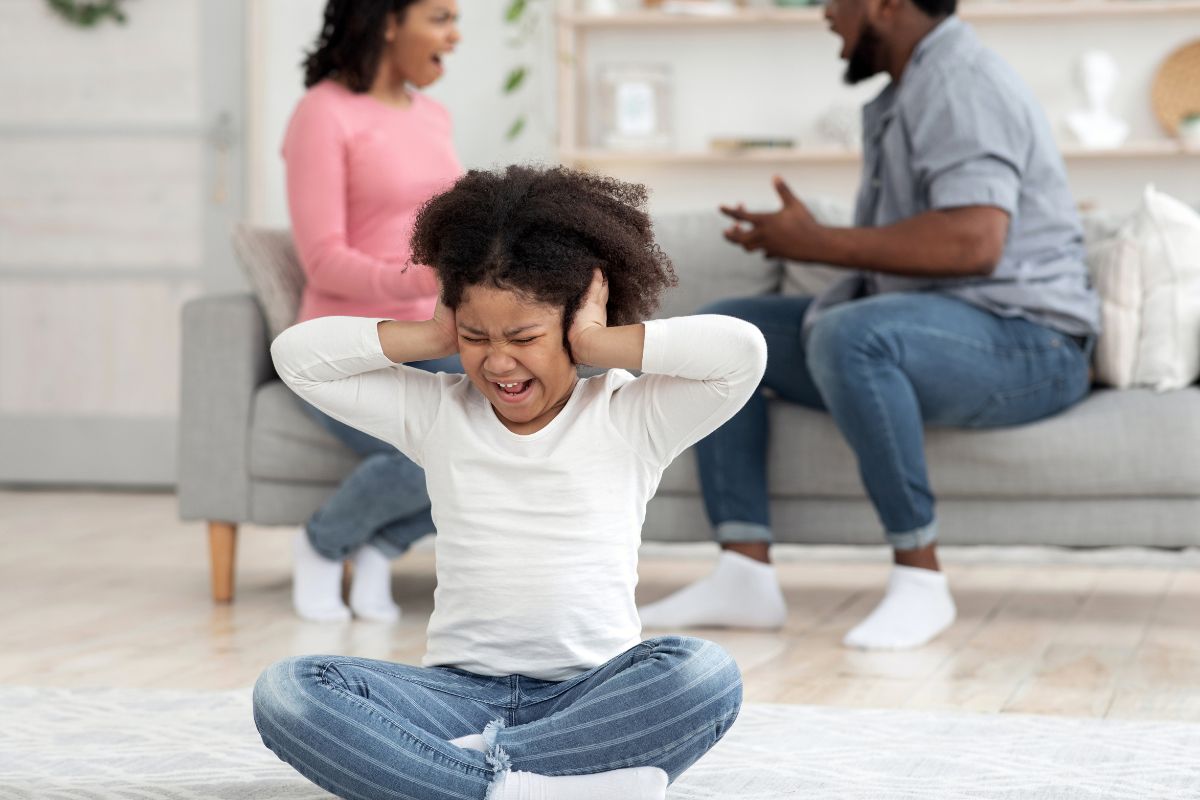
Our brains tend to associate familiarity with safety, even when familiar relationship patterns were emotionally painful. According to attachment theory and trauma research, experiences with caregivers during childhood can shape internal expectations about love, closeness, and emotional security. As adults, people may unconsciously feel drawn to relationship dynamics that resemble those early experiences, even when they consciously want something different.
For someone who grew up with an emotionally distant father or a controlling mother, those patterns may become the brain’s default model of intimacy. As a result, emotionally unavailable or highly critical partners can feel strangely familiar, while stable, supportive relationships may initially seem unfamiliar or even unexciting.
Trying to Rewrite Childhood Patterns
Psychologists describe this tendency as an unconscious attempt to resolve unresolved childhood experiences. If a child was unable to gain the love or approval of an emotionally unavailable caregiver, similar relationship dynamics in adulthood may create the illusion of another opportunity to finally earn that acceptance.
People may find themselves thinking, “This time I’ll be different. If I try hard enough, they’ll love me.” Instead of healing old wounds, however, they often become trapped in the same emotional cycle. A partner may repeat familiar patterns of criticism, emotional distance, or inconsistency, while the other person continues investing energy in hopes of achieving a different outcome.
These patterns are consistent with attachment theory and concepts related to trauma reenactment. Rather than choosing relationships that feel emotionally safe, individuals may unconsciously choose partners who recreate familiar emotional pain in the hope of finally changing the ending. Without greater awareness and intentional change, however, the outcome often remains similar.
Recognizing Familiar Warning Signs
The first step toward breaking these patterns is learning to recognize them early in a relationship. If a new partner consistently reminds someone of a parent through emotional distance, criticism, dismissiveness, or controlling behavior, psychologists suggest paying close attention before becoming deeply invested.
It can also be helpful to ask an important question: Whose approval am I really seeking? If emotional pain within a relationship feels strangely familiar, it may reflect unresolved childhood experiences rather than evidence that the relationship is meant to be.
People may also benefit from examining their own emotional reactions. An overwhelming fear of abandonment, constant anticipation of criticism, or a persistent feeling that love and basic respect must be earned can sometimes reflect childhood attachment patterns rather than the realities of the current relationship.
Why Healthy Relationships Can Feel Unfamiliar
For individuals raised in emotionally unpredictable environments, calm and stable relationships may initially feel unusual. A caring partner who communicates consistently, remains emotionally available, and avoids cycles of conflict may even seem to lack excitement or passion.
Psychologists suggest that this reaction may reflect the nervous system’s familiarity with emotional instability rather than a genuine absence of romantic connection. Relationships characterized by repeated conflict and reconciliation often create cycles of emotional tension and relief that can be mistaken for intense passion, even when they are emotionally exhausting.
By contrast, healthy long-term relationships are built through consistent trust, empathy, and mutual respect developed across countless everyday interactions. Learning to feel comfortable with emotional stability may become an important part of building secure adult relationships.
Choosing a relationship that feels “less dramatic” often means choosing a partner with whom affection, attention, and respect do not need to be constantly earned. Over time, these relationships are more likely to foster emotional security, trust, and resilience rather than chronic stress.
Breaking Repeating Relationship Patterns
Changing long-standing relationship patterns can be challenging, but psychologists emphasize that it is possible. A useful starting point is reflecting on childhood experiences and identifying beliefs about love, approval, conflict, and self-worth that may have developed within the family environment.
Regular self-reflection may also help interrupt automatic relationship patterns. When feeling strongly drawn to someone who is emotionally unavailable, highly critical, or inconsistent, it can be useful to pause and ask, “Whose approval am I truly seeking right now?” This question may help distinguish present-day attraction from unresolved childhood experiences.
Psychotherapy can further support this process. Working with a psychologist or psychotherapist may help individuals process unresolved emotional experiences, respond differently to rejection or criticism, strengthen emotional regulation, and establish healthier personal boundaries that reduce the likelihood of repeating harmful relationship dynamics.
Developing a Healthier View of Love
Healthy relationships are not defined by constant emotional struggle or repeated efforts to prove one’s worth. In secure relationships, people generally do not need to continually demonstrate that they deserve love or fear being abandoned. Instead, partners become sources of mutual support rather than emotional judges or critics.
Open communication also plays an important role. Learning to express emotional needs, discuss boundaries, and ask for support without excessive fear or shame can make it easier to recognize emotionally available partners while stepping away from relationships that recreate familiar but unhealthy patterns.
Ultimately, secure adult intimacy begins with allowing oneself to build relationships based on mutual respect rather than unresolved childhood experiences. Greater self-awareness, thoughtful partner selection, and a willingness to engage in personal growth may help people develop relationships in which love is experienced as safety, trust, and acceptance rather than something that must continually be earned.
