
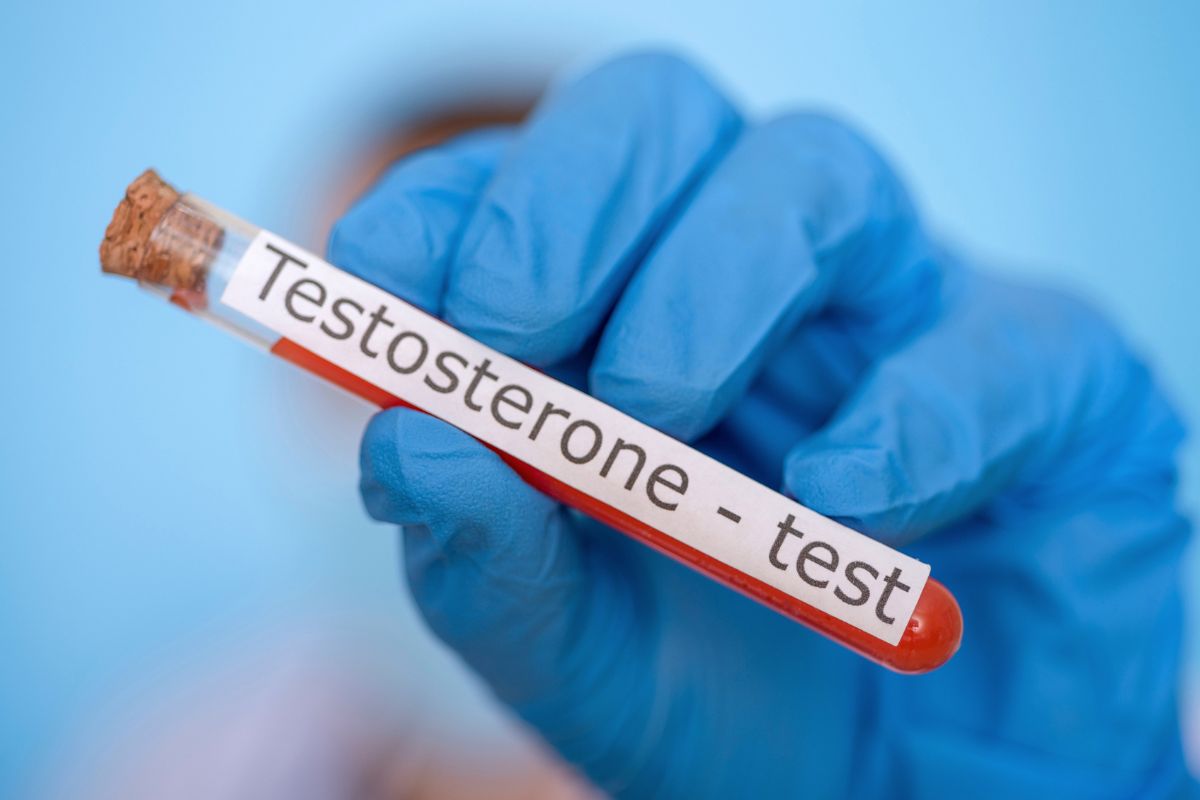
Testosterone is the primary male sex hormone, playing an essential role not only in sexual development and fertility but also in maintaining muscle mass, bone density, red blood cell production, energy levels, mood, and libido. Although testosterone levels naturally decline with age, recent research suggests a broader trend that has attracted increasing attention.
Studies indicate that successive generations of young men may be entering adulthood with lower baseline testosterone levels than men of the same age several decades ago. This pattern has been reported in several large population studies and is raising concern among endocrinologists and public health researchers.
Multiple Lifestyle Factors May Be Contributing
Researchers have not identified a single explanation for this apparent decline. Instead, the evidence suggests that a combination of lifestyle and environmental factors common in modern societies is likely to be involved. Rising rates of obesity are considered one of the most important contributors.
Excess body fat can disrupt hormonal regulation and has consistently been associated with lower testosterone levels. Likewise, increasingly sedentary lifestyles, fewer hours of moderate or vigorous physical activity, and prolonged sitting may negatively affect the endocrine system, including the production of sex hormones.
Diet also appears to play an important role. Eating patterns high in ultra-processed foods, refined sugars, and poor-quality fats have been associated with metabolic disturbances such as insulin resistance. These changes may, in turn, interfere with the body’s ability to maintain healthy hormone production.
Sleep, Stress, and Environmental Chemicals
Sleep quality is another important factor. Most testosterone is produced during nighttime sleep, particularly during deep sleep stages. As a result, chronic sleep deprivation and conditions such as obstructive sleep apnea may substantially reduce daily testosterone production.
Researchers are also increasingly examining the effects of chronic stress. Persistently elevated levels of cortisol, the body’s primary stress hormone, may suppress testosterone production over time. Men experiencing ongoing work-related, financial, or emotional stress frequently report fatigue, reduced motivation, and decreased sexual desire.
Another growing area of research involves endocrine-disrupting chemicals found in the environment. These compounds, which may be present in certain plastics, cosmetics, pesticides, and industrial products, can mimic or interfere with the body’s natural hormones. Their long-term effects on male reproductive health continue to be investigated.
Effects Beyond Sexual Health
Lower testosterone levels affect much more than sexual function. Clinically low testosterone has been associated with an increased risk of metabolic syndrome, type 2 diabetes, and cardiovascular disease. Reduced hormone levels may also accelerate the loss of muscle mass and strength, potentially contributing to frailty later in life.
Psychological and cognitive symptoms have also been reported. Some men with testosterone deficiency experience persistent fatigue, difficulty concentrating, low mood, and reduced motivation. Because these symptoms are often subtle, they may easily be attributed to stress, aging, or other health conditions.
Researchers emphasize that not every man with relatively lower testosterone requires medical treatment. Testosterone levels vary considerably between individuals, and sensitivity to hormonal changes differs as well. Accurate diagnosis depends on repeated blood testing together with a comprehensive evaluation of symptoms and potential underlying medical conditions.
When Treatment May Be Appropriate
Testosterone replacement therapy is generally recommended only for men with confirmed testosterone deficiency accompanied by clear clinical symptoms, such as significantly reduced libido, erectile dysfunction, severe fatigue, or loss of muscle mass. The potential benefits of treatment must be carefully weighed against possible risks, including effects on fertility and cardiovascular health.
Medical organizations emphasize that testosterone therapy should not be initiated solely on the basis of a single laboratory result or nonspecific symptoms. Men considering treatment are advised to consult an endocrinologist or urologist, undergo a thorough medical evaluation, and receive regular monitoring if therapy is started.
From a public health perspective, experts argue that prevention is more important than widespread testosterone prescribing. Addressing obesity, unhealthy diets, physical inactivity, chronic stress, and inadequate sleep may provide broad benefits for hormonal health as well as overall wellbeing.
Practical Steps to Support Healthy Testosterone Levels
Maintaining a healthy body weight through balanced nutrition and regular physical activity is considered one of the most effective ways to support healthy testosterone production. Resistance training and high-intensity exercise have been particularly associated with favorable hormonal responses.
Prioritizing seven to nine hours of high-quality sleep, limiting screen exposure before bedtime, and seeking treatment for sleep disorders may further support normal hormone production. Managing stress through relaxation techniques, mindfulness practices, or psychotherapy when appropriate may also help reduce the effects of chronically elevated cortisol.
Experts also recommend minimizing unnecessary exposure to potential endocrine-disrupting chemicals whenever practical. This may include avoiding heating food in plastic containers, selecting products with clearer ingredient information, and following safety recommendations when using pesticides or industrial chemicals.
Although lifestyle changes cannot guarantee consistently high testosterone levels throughout life, they may substantially reduce the risk of an unusually early or excessive decline. As researchers continue investigating this gradual hormonal shift, they emphasize that sustained improvements in everyday habits remain one of the most effective strategies for supporting men’s long-term health.
