
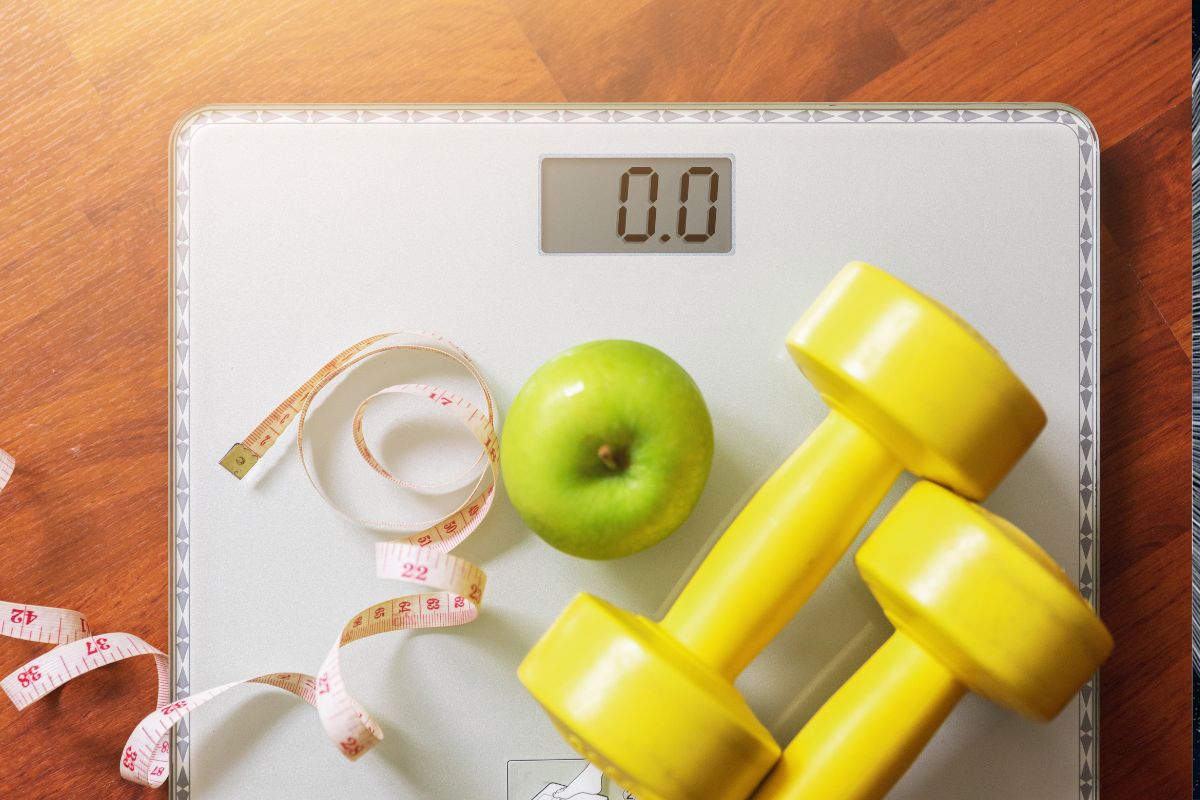
Weight and body shape have become common topics of conversation, from family gatherings and workplace discussions to social media feeds. As weight-loss medications and diet culture gain increasing attention, conversations about calories, body size, and the “ideal” figure have become part of everyday life. Psychologists and public health researchers, including findings summarized in a 2023 review published in The Lancet, warn that seemingly harmless comments about weight can reinforce stigma, increase body dissatisfaction, and negatively affect mental health.
Experts say that casual remarks about body size often reflect social attitudes rather than genuine concern. Research has linked weight stigma to anxiety, depression, disordered eating, and lower self-esteem, particularly among adolescents and young adults.
Why Comments About Weight Can Be Harmful
Studies show that experiencing weight stigma can increase stress hormone levels, negatively affect metabolic health, and discourage people from seeking medical care.
According to the 2023 Lancet review, weight-based teasing is associated with a greater risk of binge eating, unhealthy dieting behaviors, and psychological distress. Even comments intended as compliments can have unintended emotional consequences.
Many people also live with health conditions that influence body weight, including hormonal disorders, chronic illnesses, medication side effects, or recovery from serious disease. Because these factors are often invisible, comments about appearance may unintentionally judge circumstances beyond an individual’s control.
For this reason, healthcare professionals recommend focusing conversations on overall well-being rather than body weight alone.
Comments That May Do More Harm Than Good
One of the most common remarks is telling someone they “look great because they’ve lost weight.”
Although usually intended as praise, this statement suggests that thinner automatically means healthier, happier, or more attractive. It also overlooks the possibility that weight loss may result from illness, stress, grief, or other difficult life circumstances.
Instead, experts suggest complimenting qualities unrelated to body size, such as someone’s clothing, confidence, energy, or positive attitude.
Another frequently heard phrase is telling someone they “should lose weight,” often presented as health advice.
However, appearance alone cannot accurately determine a person’s health status, and unsolicited advice rarely motivates lasting behavioral change.
Psychologists recommend asking supportive, open-ended questions about how someone is feeling physically or emotionally if health concerns genuinely exist. This approach respects personal boundaries while allowing the other person to decide how much they wish to share.
Weight Is More Complex Than Willpower
Another widespread misconception is that body weight depends only on eating less and exercising more.
Modern research shows that genetics, hormones, sleep quality, medications, stress, trauma, socioeconomic circumstances, and the surrounding environment all influence body weight regulation.
Reducing weight management to personal discipline alone can unfairly blame individuals for biological and environmental factors they cannot fully control.
Experts recommend acknowledging this complexity instead of making moral judgments about body size.
The Impact of Talking About Yourself
The language people use about their own bodies can influence those around them just as much as comments directed toward others.
Frequently criticizing one’s appearance or joking about being “too fat” can normalize body dissatisfaction and unintentionally reinforce unrealistic beauty standards.
Children and adolescents are particularly sensitive to these messages because they often learn attitudes toward body image by observing adults.
Replacing self-critical comments with neutral observations—for example, saying that certain clothes no longer fit comfortably instead of criticizing one’s body—can help promote healthier conversations about appearance.
Creating Healthier Conversations
Psychologists encourage people to notice how often discussions revolve around dieting, calories, weight loss, or appearance.
When conversations consistently focus on body size, people may gradually begin measuring their own worth according to their appearance rather than their personal qualities or achievements.
Redirecting discussions toward shared experiences, interests, accomplishments, relationships, or emotional well-being can help create a more supportive environment for everyone.
Changing the way society talks about weight will not eliminate stigma overnight, but experts believe it is an important first step. Respectful, nonjudgmental communication encourages healthier relationships with food, body image, and overall well-being while reinforcing the idea that a person’s value cannot be measured by a number on a scale.
