
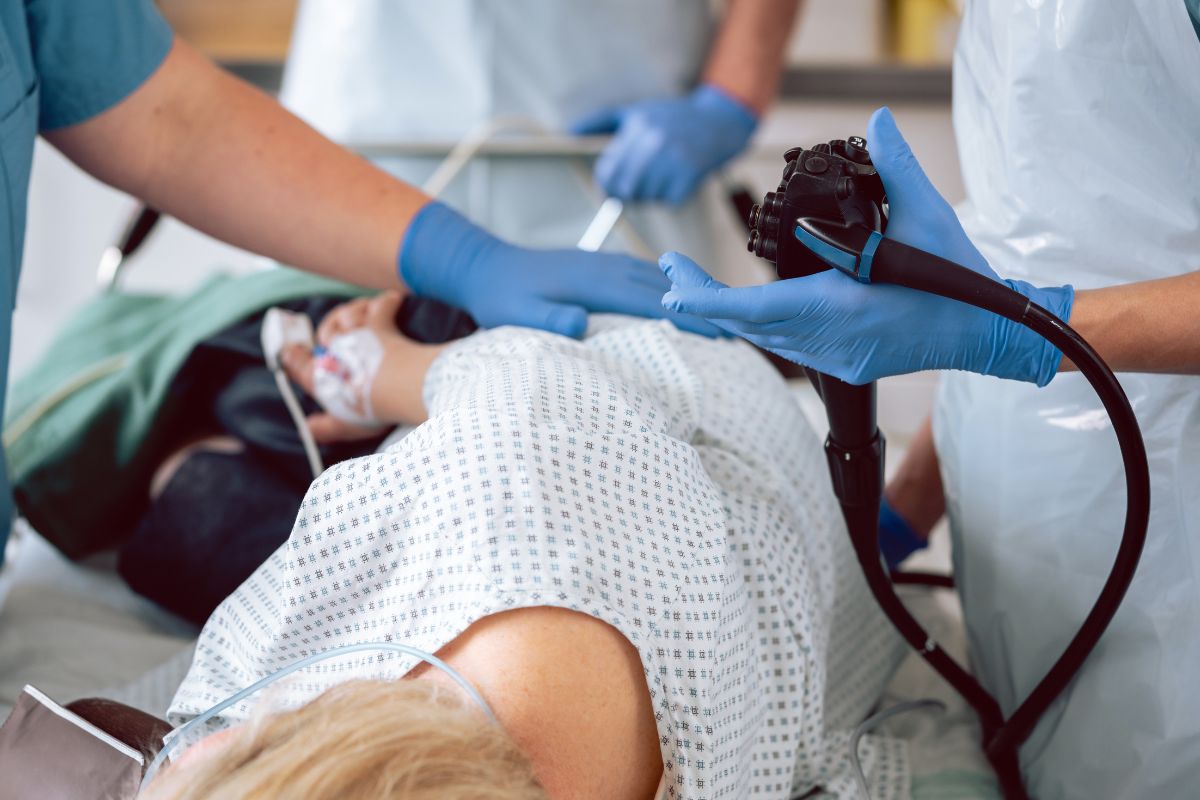
A widely used procedure to prevent colorectal cancer may not reduce long-term risk as completely as previously thought. New research suggests that the gut microbiome can remain altered for more than a decade after colorectal polyps are removed, potentially helping to explain why some patients continue to face an increased risk of colorectal cancer.
Colorectal cancer is the second-leading cause of cancer-related deaths worldwide, but it is also one of the most preventable cancers through routine screening. During colonoscopy, physicians frequently detect and remove adenomas—benign growths that can develop into cancer over time—to lower the risk of future malignancy.
Although removing adenomas substantially reduces cancer risk, people with a history of these polyps continue to have a higher likelihood of developing colorectal cancer than individuals who have never had them. Until now, the biological mechanisms underlying this persistent risk have remained unclear, prompting researchers to investigate the potential role of the gut microbiome.
Long-Term Changes in the Gut Microbiome
Researchers from the Harvard T.H. Chan School of Public Health analyzed stool samples from 354 women who had undergone adenoma removal approximately 12 years earlier. They compared their gut microbiomes with those of 354 women of similar age and background who had no history of adenomas.
The researchers used metagenomic sequencing, a technique that analyzes the complete genetic material of microorganisms living in the gut. They then compared these microbial profiles with patterns previously identified in 14 independent case-control studies of colorectal cancer.
The study, published in Cell Host & Microbe, identified significant differences in 31 microbial species between women with a history of adenomas and those without previous polyps. Notably, the gut microbiomes of women who had undergone adenoma removal partially resembled microbial patterns that have previously been associated with colorectal cancer.
Why Polyp Removal May Not Fully Reset Risk
Because stool samples were collected an average of more than a decade after the adenomas had been removed, the findings suggest that cancer-associated changes in the gut microbiome may persist long after visible precancerous growths have been eliminated. In other words, removing adenomas may not completely restore the intestinal environment to a lower-risk state.
The researchers suggest that the gut microbiome may play a more active role than previously recognized in maintaining an elevated risk of colorectal cancer. The community of bacteria, viruses, and other microorganisms living in the intestine may continue to create conditions that favor cancer development even after precancerous lesions have been successfully removed.
Previous research has already shown that the gut microbiome influences digestion, nutrient absorption, body weight regulation, and immune function. Increasing evidence also links certain microbial communities to chronic inflammation, DNA damage, and other biological processes involved in the development of colorectal cancer.
Diet, Lifestyle, and Future Prevention
The Harvard researchers also found that diet and lifestyle were associated with differences in the gut microbiome among women with a history of adenomas. Diets rich in fiber and plant-based foods, together with regular physical activity, were associated with microbial profiles generally considered more favorable.
These findings suggest that long-term lifestyle modifications may help reshape the gut microbiome following adenoma removal and could potentially contribute to reducing residual colorectal cancer risk. However, the researchers emphasize that the study demonstrates associations rather than direct cause-and-effect relationships.
Experts note that additional clinical trials will be needed to determine whether interventions specifically designed to modify the gut microbiome—such as dietary programs, probiotics, or other microbiome-targeted therapies—can meaningfully reduce colorectal cancer risk in people with a history of adenomas.
What Patients Should Know
For now, physicians continue to recommend routine colorectal cancer screening, particularly for adults aged 45 years and older and for individuals with additional risk factors. Following recommended surveillance colonoscopy schedules after adenoma removal remains essential for detecting any new precancerous lesions at an early stage.
Specialists also continue to recommend established preventive measures, including maintaining a healthy body weight, limiting consumption of processed and red meats, avoiding smoking, moderating alcohol intake, and engaging in regular physical activity. These lifestyle habits may support a healthier gut microbiome while also reducing overall colorectal cancer risk.
The researchers believe these findings could help refine future approaches to colorectal cancer prevention. By combining advances in microbiome science with established screening strategies, future care may move toward more personalized risk assessment and targeted interventions for individuals with a history of colorectal adenomas.
