
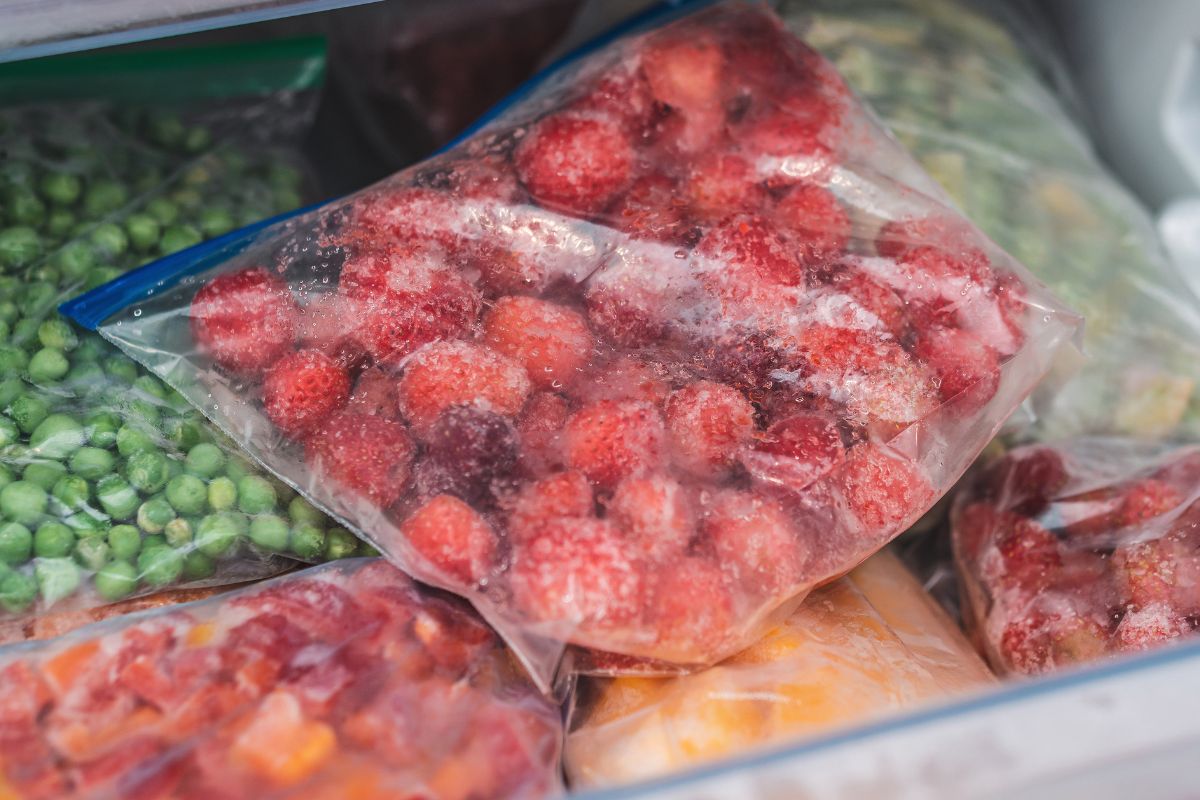
Frozen vegetables have long been viewed as a second-best option, chosen only when fresh produce is unavailable. However, growing evidence suggests this perception is outdated. Research indicates that frozen fruits and vegetables often retain nutritional value comparable to—and sometimes even greater than—their fresh counterparts. The reality is that how produce is harvested, transported, and stored may have a greater impact on its nutrient content than whether it is sold fresh or frozen.
What Does “Fresh” Really Mean?
The term fresh can be misleading. Fruits and vegetables sold in supermarkets may spend several days in transport, storage, and on store shelves before reaching consumers. Once purchased, they may remain in home refrigerators for several more days before being eaten.
During this time, nutrients—particularly vitamin C and certain B vitamins—gradually decline. In contrast, produce intended for freezing is typically harvested at peak ripeness and frozen within hours, preserving much of its original nutritional value.
How Freezing Affects Nutritional Value
Commercial freezing is a rapid preservation process designed to minimize nutrient loss shortly after harvest. Numerous studies comparing fresh and frozen produce have found that levels of vitamin C, B vitamins, antioxidants, and minerals are often very similar between the two.
In some cases, frozen produce may even contain higher levels of certain nutrients. Research has shown, for example, that frozen fruits such as apricots can retain vitamin C as well as—or better than—their fresh counterparts after storage. While frozen produce remains relatively stable, fresh fruits and vegetables continue losing nutrients throughout transportation, storage, and shelf life.
Freezing does have limitations. When frozen food is thawed and then refrozen, ice crystals damage plant cell walls, resulting in softer textures, excess moisture, and some nutrient loss. For both food quality and food safety, thawed produce should not be refrozen.
Fresh, Frozen, or Canned: Which Is Best?
Nutrition experts emphasize that the healthiest choice is the one that helps people consistently eat more fruits and vegetables.
Frozen vegetables such as broccoli, peas, spinach, and mixed vegetable blends make it easy to prepare balanced meals quickly. In many cases, using frozen produce is preferable to buying fresh vegetables that spoil before they can be eaten.
Canned fruits and vegetables can also contribute to a healthy diet, although consumers should pay attention to nutrition labels.
Many canned vegetables contain large amounts of added sodium. Choosing products labeled “no added salt” and rinsing canned vegetables under running water can significantly reduce sodium content.
Similarly, canned fruit packed in heavy syrup often contains substantial amounts of added sugar. Healthier choices include fruit packed in its own juice or lightly sweetened liquid, with excess liquid drained before consumption.
Reducing Food Waste and Saving Money
One of the greatest advantages of frozen produce is its ability to reduce food waste.
Consumers can use only the amount they need while keeping the remainder safely stored for weeks or even months. This flexibility is particularly valuable for smaller households and people with busy or unpredictable schedules.
Frozen produce does not last forever, however. Although it generally remains safe beyond this period if continuously frozen, the best quality is usually maintained for approximately 6 to 12 months, depending on the type of fruit or vegetable. Over time, texture, flavor, and nutrient content gradually decline.
Proper storage helps preserve quality. Opened packages should be resealed tightly to prevent freezer burn and absorption of odors from surrounding foods, which can negatively affect flavor.
Cost is another important consideration. Fresh, locally grown produce often carries a higher price than frozen alternatives. For many households, combining seasonal fresh produce with frozen fruits and vegetables provides a practical balance between nutrition, affordability, and convenience.
Seasonal Produce Still Has Advantages
When available, seasonal fruits and vegetables often provide the best combination of flavor and nutritional quality.
Locally grown strawberries, tomatoes, garlic, or leafy greens harvested during their natural growing season spend less time in storage and transportation than imported produce. Shorter supply chains generally result in better taste and improved nutrient retention.
Choosing seasonal produce whenever possible, while relying on frozen options during the off-season, can help maintain both dietary quality and food budgets throughout the year.
Building a Practical Healthy Diet
Dietitians consistently emphasize that regular fruit and vegetable consumption is more important than achieving dietary perfection.
A bowl of pasta loaded with frozen vegetables is a healthier choice than an idealized fresh salad that never gets prepared. Convenience often supports healthy eating habits by making nutritious meals easier to prepare consistently.
Current dietary guidelines in Europe and North America recommend consuming at least 400 grams of fruits and vegetables per day, regardless of whether they are fresh, frozen, or canned. The emphasis remains on variety, limiting highly processed foods, and minimizing added salt, sugar, and saturated fat.
Reading food labels carefully and understanding proper storage practices allow frozen and canned foods to become valuable components of a healthy eating pattern rather than inferior substitutes.
Ultimately, the most balanced approach combines all three options. Fresh seasonal produce can serve as the foundation when available and affordable, frozen fruits and vegetables provide convenient year-round nutrition while reducing food waste, and carefully selected canned products offer long-lasting pantry staples.
Rather than viewing frozen foods as nutritionally inferior, they should be recognized as practical, evidence-based tools that support healthier eating, reduce household food waste, and contribute to a more sustainable food system.
