
A new study involving more than 2,000 adults suggests that many popular beliefs about the ideal body shape may be oversimplified or misleading. Rather than focusing on weight or body mass index, the researchers sought to identify which levels of body fat are currently perceived as most attractive.
Participants were shown a series of illustrations depicting male and female bodies with varying levels of body fat. They were then asked to indicate which silhouettes they found most attractive. The results were remarkably consistent for male figures and somewhat more nuanced for female figures.
What the Study Found
For men, the highest-rated body type was associated with approximately 15% body fat. Respondents described this appearance as lean, athletic, and healthy, while clearly distinct from the extreme muscularity associated with professional bodybuilding. In other words, a naturally fit appearance linked to an active lifestyle was perceived as the most attractive.
Bodies with approximately 20% body fat ranked second, while those with around 25% body fat ranked third. The least attractive male silhouettes were the heaviest figures, representing approximately 35% body fat. Some media outlets have interpreted these findings as evidence that the once-popular “dad bod” may be losing its appeal.
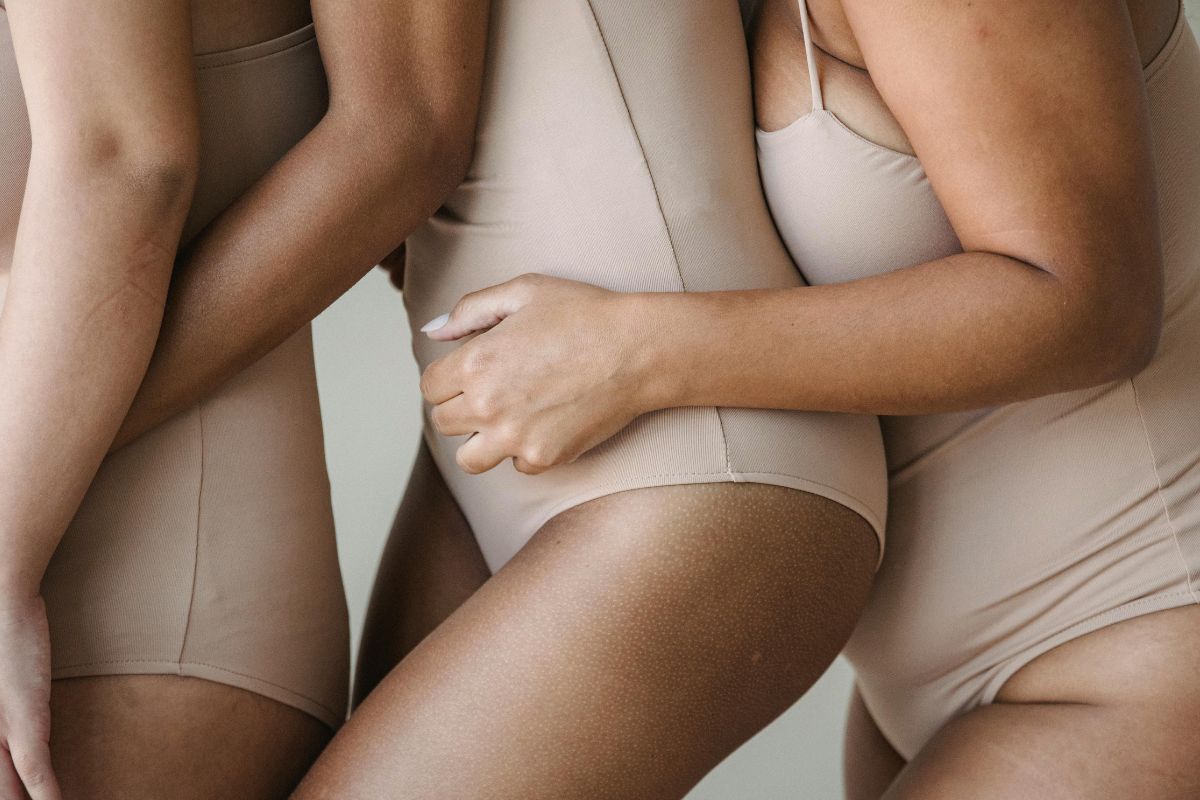
For women, the pattern differed from the ultra-thin ideal frequently promoted on social media. Respondents most often selected figures with more pronounced curves, corresponding to approximately 30% body fat. Extremely thin female silhouettes did not receive the highest attractiveness ratings.
Key Differences Between Men and Women
The authors caution against directly comparing identical body fat percentages between men and women. Biologically, women naturally carry higher levels of body fat, particularly to support hormonal function and reproductive health. Consequently, the same percentage may correspond to very different appearances and health profiles in men and women.
A man with 15% body fat will typically appear athletic, with visible muscle definition. A woman with the same percentage, however, may already be at a level considered very low and potentially difficult to maintain without strict dietary control and intensive training. Context, biological sex, and individual health indicators all play important roles when interpreting these values.
Medical guidelines also indicate that healthy body fat ranges differ by sex. Many experts cite approximately 6–24% body fat as a typical healthy range for men and 16–30% for women. The study’s findings fall within these ranges, reinforcing the idea that moderate rather than extreme leanness is generally perceived as both attractive and healthy.
Why Previous Surveys Looked Different
The findings have generated discussion because they partially contradict earlier surveys conducted by dating platforms and fitness-related brands. Those studies often suggested that softer, less muscular male physiques were becoming increasingly attractive. Respondents frequently associated such body types with authenticity, warmth, and emotional stability.
Researchers note that physical attractiveness and perceptions of relationship suitability are not necessarily the same thing. Men with slightly softer physiques are often viewed as friendlier, more caring, and more trustworthy in the context of long-term relationships. However, when participants are asked to evaluate appearance alone, they tend to favor more athletic body types.
This distinction may help explain the apparent conflict between the “dad bod” narrative and the findings of the new study. A physique perceived as comforting, approachable, or relatable in everyday life is not necessarily the same physique people identify as visually ideal when selecting from stylized images in a controlled research setting.
Social Media and Body Image
The researchers and independent experts emphasize the significant influence of image-focused social media platforms on modern body ideals. Filtered photographs, fitness influencers, and celebrity culture can encourage increasingly narrow definitions of attractiveness that may be difficult for most individuals to achieve or maintain.
At the same time, a growing body-positivity movement has emphasized acceptance of diverse body shapes and sizes. The findings suggest that public preferences may lie somewhere between these extremes, favoring bodies that appear healthy and active without looking excessively sculpted or rigid.
Psychologists warn that focusing too heavily on a single “ideal” body type can contribute to body dissatisfaction, disordered eating, and excessive exercise. They recommend prioritizing health, strength, and overall well-being rather than pursuing specific numbers on a scale or a particular body fat percentage suggested by any single study.
Overall, the research adds nuance to discussions about physical attractiveness. While moderate leanness and visible fitness continue to rank highly, attitudes toward softness, curves, and authenticity remain dynamic, shaped by culture, media influences, and personal experiences rather than by any single universal standard.
