
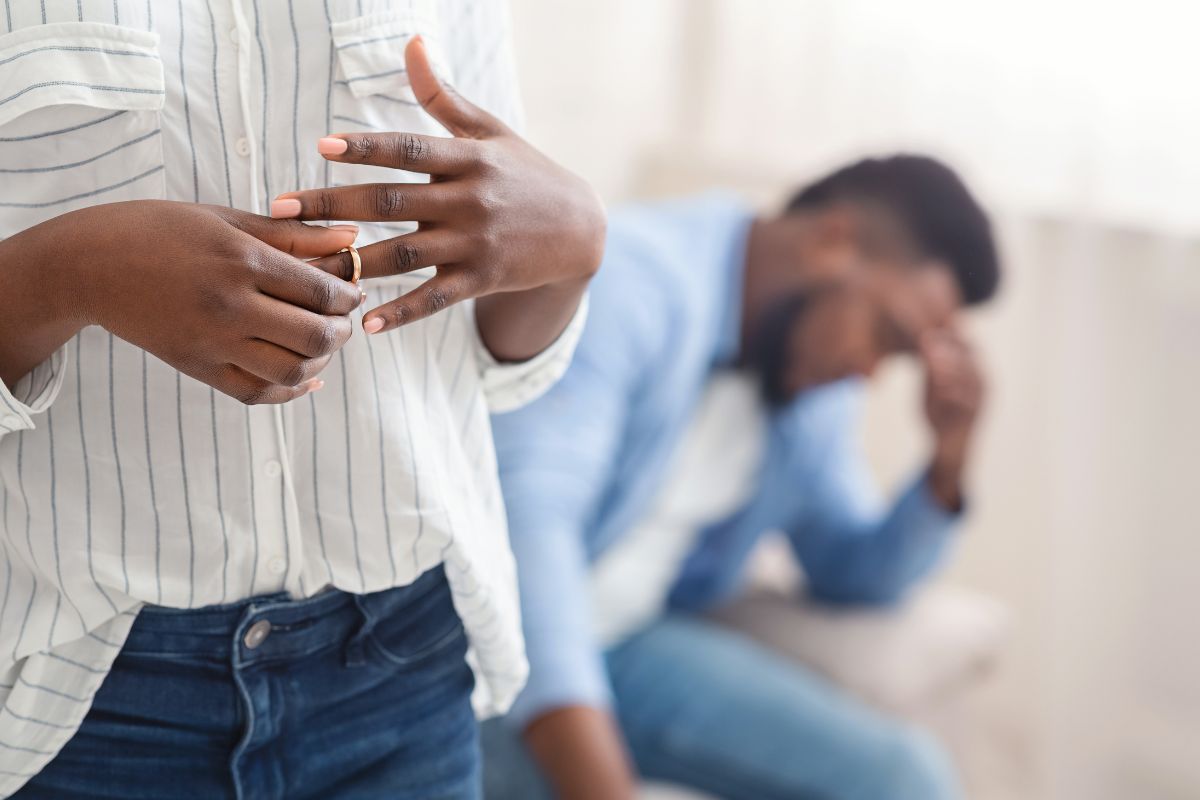
Wedding photographers and planners often become quiet observers of the dynamics between newlyweds. Beyond the carefully staged photos and elegant décor, they sometimes notice interaction patterns that may foreshadow future relationship difficulties. Certain behaviors displayed on the wedding day can reflect deeper issues in communication, respect, and emotional connection.
Relationship experts emphasize that a stressful moment or awkward interaction on a wedding day does not determine the future of a marriage. However, when several warning signs appear together, they may point to underlying relationship problems that deserve attention.
When the Camera Reveals Emotional Distance
Many people feel uncomfortable posing for photographs, yet most brides and grooms are willing to participate because they know the images are important to their partner. Problems may arise when discomfort turns into open hostility, anger toward the photographer, or complete refusal to participate. Such reactions can sometimes reflect difficulty with compromise or empathy.
Wedding professionals also describe couples who appear affectionate only while the camera is pointed at them. As soon as the photos stop, smiles disappear, physical contact ends, and the emotional warmth seems to vanish. While this does not necessarily predict divorce, a noticeable contrast between public displays of affection and private interactions may suggest that appearances are taking priority over genuine connection.
Moments such as the first dance or wedding speeches often provide another glimpse into a couple’s bond. Partners who remain focused on one another during these emotionally significant moments may demonstrate greater emotional engagement than couples whose attention is consistently directed elsewhere.
What Guest Attendance May Reflect
Wedding planners note that approximately 10–15% of invited guests commonly decline invitations because of scheduling conflicts, travel, or personal commitments. When the proportion of guests who decline is substantially higher, some professionals believe it may occasionally reflect broader relationship concerns, particularly if close friends and family members choose not to attend.
Although attendance alone cannot predict the future of a marriage, the absence of many close relatives or friends, especially alongside visible tension surrounding the couple, may indicate unresolved interpersonal issues.
Conflict, Money, and Underlying Tension
The interactions among family members and the wedding party often mirror existing relationship dynamics. If the celebration is marked by frequent arguments, family disputes, or ongoing conflict, these tensions are usually not created by the wedding itself but are instead amplified by the stress of the occasion.
Financial disagreements can also reveal underlying challenges. Persistent conflict over expenses such as photography, entertainment, the venue, or other wedding costs may reflect broader disagreements about trust, financial priorities, or decision-making. While many couples experience some financial stress during wedding planning, unresolved conflict over money is a well-recognized source of relationship strain.
Humor can also become problematic when it crosses into criticism or contempt. Comments such as expressing annoyance about kissing a partner or responding to every photo with visible irritation may reveal underlying frustration rather than playful teasing.
Similarly, repeated jokes about a partner’s mistakes, financial situation, or personal shortcomings may entertain guests temporarily but can also reflect patterns of criticism that, over time, undermine relationship satisfaction.
How Couples Respond to Stress
Even carefully planned weddings rarely proceed without unexpected problems. A waiter may spill a drink, technical issues may occur, or small scheduling mistakes may disrupt the day. Strong couples typically respond by supporting one another, adapting together, and treating unexpected moments as shared experiences.
In contrast, when one partner responds to every inconvenience with blame, public criticism, or visible frustration toward the other, it may suggest difficulty working together during stressful situations. How couples manage relatively minor wedding challenges can sometimes reflect how they approach larger life stresses later on.
Some wedding professionals also observe couples who display intense public affection while engaging in very little meaningful conversation throughout the day. Although physical chemistry is an important aspect of romantic relationships, long-term relationship satisfaction generally depends on emotional intimacy, communication, and shared values as well.
Relationship researchers consistently emphasize that lasting partnerships are built not only on attraction but also on mutual respect, curiosity about one another, and the ability to communicate openly.
Spending the Celebration Apart
Once the formal ceremony concludes, many couples finally have an opportunity to relax together and enjoy their celebration. However, some newlyweds spend most of the reception apart, socializing separately with different groups of friends and rarely interacting with one another.
Wedding photographers occasionally report difficulty capturing newlyweds together because they spend much of the evening in separate parts of the venue. While every couple celebrates differently, consistently choosing the company of others over one another—even during their own wedding—may reflect emotional distance that extends beyond the celebration itself.
Experts stress that no individual behavior can accurately predict whether a marriage will succeed or fail. Many couples experience wedding-day stress and go on to build long, healthy relationships. Nevertheless, when multiple patterns of disrespect, emotional distance, contempt, avoidance, and unresolved conflict appear together, they may indicate areas that deserve attention before those patterns become established within the marriage.
Relationship specialists encourage engaged couples to focus not only on creating a beautiful wedding but also on strengthening the foundation of their relationship. Honest communication, premarital counseling, and learning healthy conflict-resolution skills can help transform a memorable wedding day into the beginning of a resilient, lasting partnership.
