
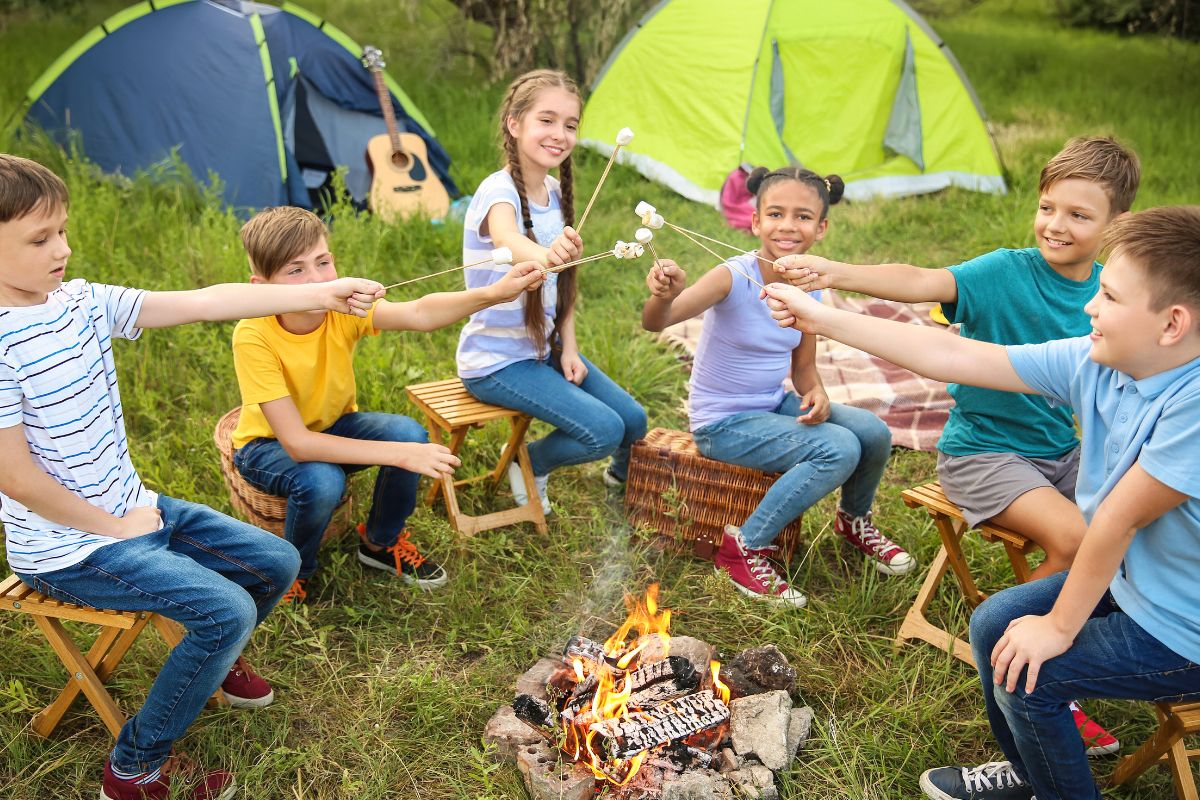
The first summer camp is often seen as a milestone for a child, but psychologists stress that it is also a significant source of stress for the entire family. Parents frequently experience anxiety equal to or even greater than their child’s, worrying about adaptation, new friendships, and the child’s ability to cope away from home.
From a developmental perspective, however, camp can strongly support autonomy, social skills, and a child’s sense of competence. Psychologist Hanna Kryzhanovska notes that parents often ask how to prevent tears and demands to come home early. Experts argue that this approach oversimplifies the situation.
The goal is not to eliminate all anxiety or guarantee constant happiness. A moderate level of worry in a new situation is normal and even adaptive. The key task is to help the child recognize their emotions, process them, and learn to regulate their behavior under stress.
How to Respond to Anxiety
One of the most common harmful adult reactions is to deny or dismiss a child’s fears. Phrases such as “Don’t make things up” or “Big kids don’t cry” do not provide comfort because they ignore the child’s actual emotional state. As a result, children may come to believe that their feelings are “wrong” or unacceptable.
Psychologists recommend emotional validation instead, which means acknowledging feelings without judgment. Statements such as “I can see you’re worried. That’s normal before something new” help normalize the child’s reaction and communicate that their emotions are legitimate. This builds a sense of safety and reduces the need to hide or suppress emotions.
Specialists also advise parents to model calm, open conversations about fears rather than rushing to “fix” them. When adults demonstrate that difficult emotions can be discussed and tolerated, children gradually internalize healthier coping strategies.
Camp Is Not Only Fun
Many parents try to motivate their child by presenting camp as nothing but fun and constant excitement. Promising that everything will be perfect creates unrealistic expectations. Any group environment inevitably includes both enjoyable experiences and moments of frustration or boredom.
Daily life in a children’s group involves rules, schedules, and potential conflicts with peers. There will be activities that are less appealing, as well as episodes of homesickness or temporary loneliness. If these realities are never discussed beforehand, the child may interpret normal adaptation challenges as evidence of personal failure.
Experts suggest describing camp as a combination of games, new friendships, and small challenges that help children grow stronger. Presenting a balanced picture prepares the child psychologically and reduces the shock if they encounter conflict or emotional discomfort during their stay.
Reducing Uncertainty Before Departure
For adults, camp often evokes nostalgia and a sense of adventure, but for a child it can feel like a leap into the unknown. High levels of uncertainty, combined with unfamiliar people and rules, naturally increase anxiety. Structured preparation before departure helps reduce this uncertainty.
Psychologists recommend showing photos or videos of the camp and explaining the daily routine and the role of the counselors. This type of “cognitive grounding” makes the environment feel more predictable. Parents should also ensure that the child has basic self-care skills, including dressing independently, maintaining personal hygiene, and keeping track of personal belongings.
Involving the child in packing their suitcase and labeling their belongings increases their sense of control. This process should begin well before departure so the child has time to ask questions and gradually adjust to the idea. Even simple actions, such as choosing clothes for camp, can strengthen confidence and independence.
It is also helpful to discuss possible challenging situations in advance and explore ways to respond. Together, parents and children can think through what to do if the child feels sad, argues with a peer, or loses something important. Having these mental “scripts” reduces the likelihood of panic or helplessness during real-life stressful situations.
How to Communicate During Camp
The frequency and style of communication with home strongly influence how well a child adapts. Constant phone calls and messages may seem caring, but they can repeatedly reopen the emotional pain of separation and prevent the child from fully engaging in camp life. Excessive contact may keep the child’s attention focused on missing home rather than forming new relationships.
Experts recommend agreeing in advance on a clear schedule for calls or messages. This structure maintains the emotional connection while giving the child the space needed to adapt. During conversations, adults are encouraged to ask about the child’s day, new friends, and activities instead of constantly searching for signs of sadness.
The emotional tone of parents also matters. If adults sound anxious, guilty, or excessively worried, the child may interpret this as evidence that the situation is unsafe. Calm, supportive interest, combined with trust in the camp staff, communicates that temporary separation is both normal and manageable.
The farewell on departure day is another crucial moment. Overly emotional or prolonged goodbyes tend to increase separation anxiety. Psychologists recommend a brief, clear, and emotionally stable farewell that acknowledges the child’s feelings while expressing confidence in their ability to cope.
When a Child Wants to Go Home
During the first few days at camp, many children display signs of temporary maladjustment. They may become more tired, cry in the evenings, or say they want to return home. Specialists emphasize that these reactions usually represent a normal phase of adaptation to separation rather than evidence of an unhealthy environment.
Decisions to end the camp stay early should be based on a broader assessment. Parents are encouraged to consult counselors or the camp psychologist about the child’s behavior within the group, appetite, sleep, and participation in activities. It is important to distinguish ordinary homesickness from severe, persistent distress.
Warning signs include ongoing social withdrawal, refusal to eat or sleep, intense fear, or bullying that is not being appropriately addressed. In such situations, the psychological cost of remaining at camp may outweigh the potential benefits, making an early return home a reasonable decision.
However, if the child gradually joins activities, forms at least one or two friendships, and occasionally smiles or shares positive experiences, this usually indicates healthy adaptation. Brief complaints during phone calls do not necessarily reflect how the child functions throughout the rest of the day.
Long-Term Benefits of Camp
Developmental psychologists view summer camps as structured environments for learning self-regulation and social competence. Children practice everyday decision-making, conflict resolution, and emotional self-soothing without parents constantly intervening. These experiences are difficult to replicate in the typical home environment.
Research shows that well-organized camps can improve self-esteem, independence, and communication skills. Children learn to negotiate, share space, and follow group rules. These experiences may be particularly valuable after periods of isolation, such as during the COVID-19 pandemic or in regions affected by war and displacement.
An effective parental approach focuses less on eliminating every form of discomfort and more on helping children manage it safely. The psychologically meaningful outcome is not the complete absence of fear or sadness but the development of an inner belief that they can tolerate difficult moments while remaining capable and resilient.
When parents validate emotions, prepare realistically, and maintain calm, structured communication, they transform camp from a potential source of distress into an opportunity for growth. Over time, children often remember their first camp not for the tears they shed at the gate, but for the friendships they formed and the skills they carried with them long after summer had ended.
