
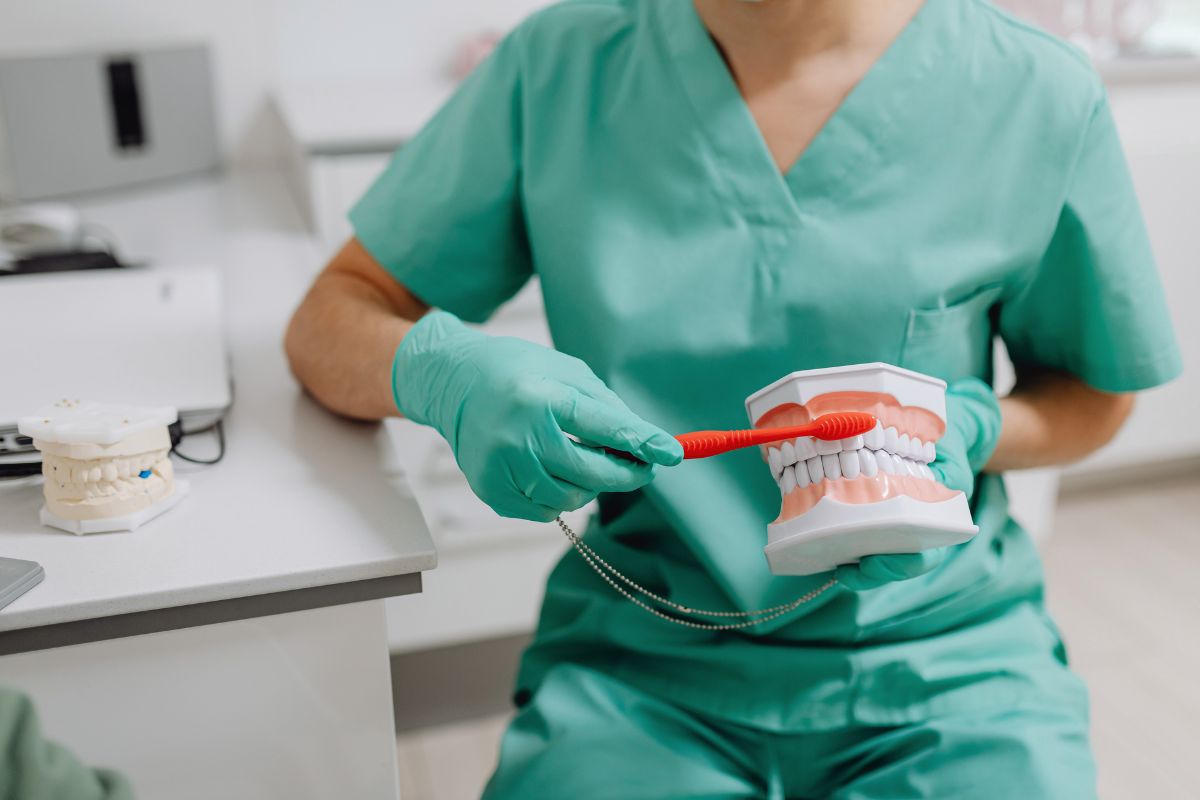
Brushing your teeth in hospital might seem trivial, but new research suggests it could save lives. Non-ventilator hospital-acquired pneumonia, a lung infection that develops during a hospital stay, affects tens of thousands of patients each year and is often fatal.
In Australia alone, an estimated 50,000 patients develop this form of pneumonia annually, and around 1,900 die. Despite its impact, the condition is rarely monitored or reported with the same rigor as other hospital-acquired harms, leaving a major gap in prevention efforts.
Hidden Burden Of Hospital Pneumonia
Non-ventilator hospital-acquired pneumonia occurs in patients who are not on breathing machines and are typically outside intensive care units. It develops when bacteria from the mouth or throat are inhaled into the lungs, particularly in older, frail, or immobile patients.
Once infected, patients often remain in hospital 10 to 48 days longer and are about eight times more likely to die during their admission. The condition also increases antibiotic use, raises treatment costs, and places additional strain on already pressured healthcare systems.
Large Trial Finds Major Risk Reduction
A new stepped-wedge cluster randomized trial, published in The Lancet Infectious Diseases, evaluated whether simple oral care could reduce pneumonia rates. Researchers studied 8,870 adult patients across three Australian hospitals during a 12-month rolling implementation period.
The intervention was intentionally low-tech and easy to scale. Patients received a toothbrush and toothpaste upon admission, while staff and patients were educated about the importance of oral hygiene. Wards also received feedback on how consistently toothbrushing was being carried out.
Nurses assisted patients who could not brush independently, and toothbrushes carried the printed reminder: “Brush away pneumonia.” This combination of tools, education, and support aimed to make oral care part of routine daily practice rather than an optional task.
Before the program, only about 16% of patients had their teeth cleaned regularly in hospital. After implementation, that figure rose to 62%. The increase in toothbrushing was associated with a 60% reduction in non-ventilator hospital-acquired pneumonia rates on medical and surgical wards.
On a typical 30-bed ward, infections fell from the equivalent of about eight cases per month to fewer than four. Researchers say this is the largest multi-hospital trial of its kind and a powerful demonstration that simple, inexpensive interventions can produce substantial improvements in patient safety.
Why Oral Hygiene Matters So Much
The human mouth contains billions of bacteria, many of which are harmless under normal circumstances. However, when people are ill, sedated, or taking certain medications, saliva production can decrease and oral hygiene often deteriorates, allowing bacterial plaque to accumulate on the teeth, gums, and tongue.
Even tiny amounts of these bacteria can be aspirated, or breathed into the lungs, especially when patients are lying flat or have swallowing difficulties. Once there, the bacteria may trigger pneumonia, particularly in individuals with weakened immune systems or chronic health conditions.
Daily toothbrushing physically disrupts bacterial biofilms, reducing the microbial load that can be inhaled into the lungs. Unlike many advanced medical technologies, this simple mechanical action is inexpensive, low-risk, and widely accessible, yet it remains underused in many hospital settings.
Experts note that nurses and other healthcare staff often juggle competing clinical priorities and may underestimate the infection-prevention benefits of oral care. Patients, especially those admitted unexpectedly, frequently arrive without toothbrushes and may not realize how important oral hygiene is during recovery.
What Patients And Hospitals Can Do
The study highlights that patients are not powerless in preventing serious infections. Those who are able are encouraged to bring their own toothbrush and toothpaste, brush twice daily, and ask for assistance when they are too weak, in pain, or connected to medical equipment.
Family members can also help by reminding loved ones to brush their teeth and asking staff about oral care if it appears to be overlooked. These small actions may significantly reduce the risk of a life-threatening complication and potentially shorten hospital stays.
For hospitals, the findings challenge the assumption that hospital-acquired pneumonia is an unavoidable consequence of inpatient care. Researchers argue that it should be monitored in the same way as falls, pressure injuries, and other preventable harms, with clear reporting and accountability measures.
They also suggest that national infection-prevention guidelines should formally recognize oral care as a core protective strategy. Incorporating toothbrushing protocols into nursing standards, admission packs, and daily checklists could help normalize the practice across hospital wards.
Broader Global Implications
Previous international research has shown that enhanced oral hygiene can reduce pneumonia rates among ventilated intensive care patients. The new Australian findings extend that evidence to general hospital wards, where most patients are treated and where the majority of cases occur.
As healthcare systems worldwide face budget constraints and growing antimicrobial resistance, low-cost interventions that prevent infections are becoming increasingly valuable. Fewer pneumonia cases mean reduced antibiotic use and less pressure on critical care resources.
Researchers say future studies should explore how these protocols can be adapted for different healthcare settings, including smaller regional hospitals and long-term care facilities. They also call for improved data collection so that the true burden of non-ventilator hospital-acquired pneumonia is no longer overlooked.
The central message is remarkably simple: a toothbrush, toothpaste, and a few minutes of daily attention can have a profound impact on patient safety. In an era of high-tech medicine, something as ordinary as brushing your teeth may be one of the most effective tools for preventing deadly infections.
