
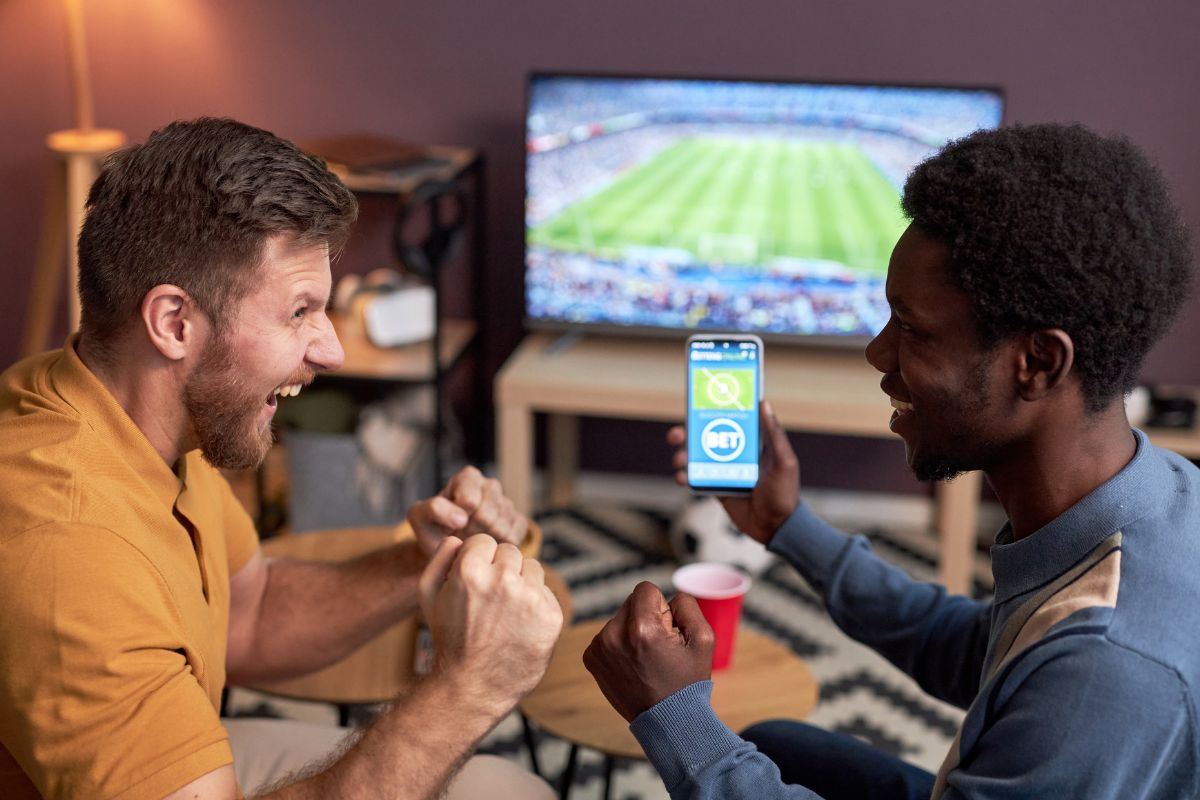
With the World Cup now underway across North America, millions of fans are settling in for weeks of late nights, dramatic finishes and emotional highs and lows. Beyond the excitement on the pitch, new research suggests that regularly watching major sporting events may also provide meaningful psychological and social benefits.
Scientists from Anglia Ruskin University analysed how following sport affects everyday wellbeing. Their findings point to a clear pattern: people who frequently watch or attend sporting events report feeling happier, less lonely and more satisfied with their lives than those who do not follow sport at all.
Social Ties Behind the Benefits
According to the researchers, the main driver is not the sport itself, but the social bonds that grow around it. Whether fans gather at stadiums, in pubs, in living rooms or online, they often experience a powerful sense of belonging to a larger community.
This feeling of shared identity appears to translate into better mental wellbeing. In the study, more than 7,000 people in England aged 16 to 85 took part. Those who engaged with sporting events were more likely to say their lives felt worthwhile and were less likely to report frequent loneliness.
Importantly, the positive associations were not limited to people physically present in stadiums. Viewers following matches on television or via online streams showed similar patterns of higher life satisfaction. Interaction with other fans, even at a distance, seems to play a central role.
Links to Mood and Depression
The research also highlighted a link between watching sport and lower levels of depressive symptoms. Regular viewers more often described themselves as being in a better mood than individuals who rarely or never followed sporting contests.
The benefits appeared to grow with frequency: the more often people engaged with sport, the stronger the reported improvement in wellbeing. However, the authors emphasise that these are statistical associations and do not prove that watching sport directly prevents or treats depression.
Instead, the findings fit into wider theories of social identity. Humans naturally form groups around shared interests, such as supporting the same team or athlete. Being part of such a group can offer emotional support and a sense of purpose, both of which are protective factors for mental health.
Big Tournaments, Big Emotions
These mechanisms become particularly visible during global events like the World Cup or the Olympic Games. Successes by a national team can trigger collective moments of pride, joy and celebration that are felt well beyond the stadium.
Psychologists note that when a group we identify with performs well, its achievements can feel like our own. This vicarious success may temporarily lift mood, strengthen social cohesion and provide shared memories that supporters talk about for years.
Neuroscience research supports the idea that such experiences are grounded in biology. Brain imaging studies show that when people watch sport, regions linked to reward and pleasure, including areas involved in dopamine release, become active.
Watching From Home Still Counts
In an era of global streaming, fans do not need to travel to feel part of the action. Live broadcasts, chat groups and social media conversations allow supporters to connect from almost anywhere in the world.
Commenting on matches online, exchanging opinions and sharing emotional highs and lows can mirror, to some extent, the communal atmosphere of being in a stadium. For many, these digital interactions help maintain friendships and create new social circles built around their favourite sport.
Experts caution, however, that balance is important. Excessive screen time, gambling tied to sports betting or aggressive fan behaviour can undermine some of the potential benefits. Moderation and respectful engagement are key to making fandom a positive force.
What This Means for the World Cup
As the tournament continues, millions of viewers worldwide will tune in for entertainment, national pride and the simple joy of the game. The latest evidence suggests they may also gain subtle, longer-term boosts to their social and emotional wellbeing.
For people who have felt isolated in recent years, shared viewing sessions can be a low-cost way to reconnect with others. Even occasional participation, such as watching key matches with friends, may help strengthen relationships and provide a welcome break from daily stress.
Researchers stress that football is no miracle cure for mental health problems, and professional support remains essential where needed. Still, using major sporting events as an opportunity to meet, talk and celebrate together can be a small but meaningful step toward feeling better.
