
Modern urban life keeps many people disconnected from nature. We spend most of our time indoors, move through concrete environments, and strive to maintain near-sterile cleanliness in our homes. Researchers warn that this separation may deprive us of important health benefits linked to contact with soil and natural environments.
Over the past decade, scientists have increasingly focused on the human microbiome and its connection to immunity, allergies, and mental health. Studies suggest that regular exposure to diverse environmental microbes may lower the risk of asthma, allergies, and certain inflammatory gut conditions. For many experts, soil has quietly emerged as an unexpected tool for preventive health.
How Soil Microbes Affect the Body
Back in the 1970s, researchers discovered a soil bacterium called Mycobacterium vaccae. Later experiments showed that exposure to this microbe can influence inflammatory processes and may affect how the brain responds to stress. Some animal and early human studies indicate that it could help reduce anxiety-like behavior and improve mood.
Scientists now often speak about microbial diversity, meaning the variety of microorganisms we encounter in daily life. When people walk through forests, tend gardens, or simply spend time in parks, their skin, airways, and gut come into contact with countless harmless microbes. This exposure appears to train the immune system and may help it respond more appropriately to irritants and pathogens.
Several studies comparing rural and urban populations support this idea. Children who grow up on farms or regularly spend time in natural environments tend to have lower rates of asthma and allergic diseases. Researchers believe that frequent contact with soil, animals, and plants helps the immune system develop more balanced responses early in life.
Lessons From Forest Kindergartens
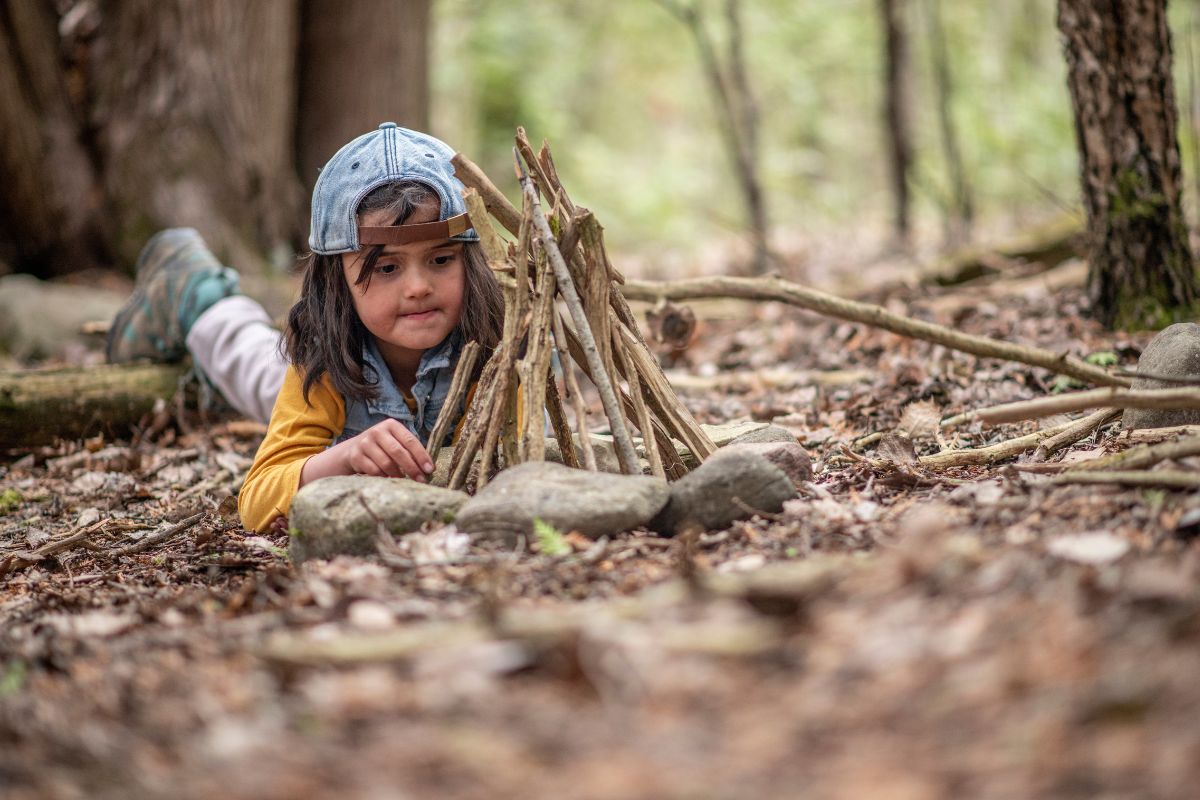
One of the most widely cited experiments took place in urban daycare centers in Finland. Researchers replaced standard gravel playground surfaces with patches of forest floor, including moss, shrubs, and native plants. Children were encouraged to touch the soil, play among the plants, and spend time in these green microenvironments.
Within weeks, tests revealed changes in the children’s skin and gut microbiome composition, along with improved markers of immune function. Follow-up observations suggested that the positive effects could persist over the longer term when regular contact with natural environments was maintained. The findings reinforced the idea that even small daily exposures can be meaningful.
Although young children are particularly sensitive to environmental influences, adults can also benefit from more frequent interaction with nature. Even later in life, spending time outdoors has been associated with lower stress levels, better sleep, and reduced symptoms of depression and anxiety.
Nature As Accessible Stress Therapy
Importantly, the health benefits of soil contact do not require moving to the countryside or buying a farm. Simple activities such as hiking, cycling on green trails, camping, or caring for a backyard or community garden can increase exposure to beneficial microbes. Even regular walks in a city park can support well-being when practiced consistently.
In Japan, the practice of forest bathing has gained popularity and is now being studied around the world. During these slow, mindful walks, people focus on smells, sounds, and tactile sensations rather than physical performance. Research has linked time spent in wooded areas to lower levels of stress hormones, reduced blood pressure, and improved mood.
Short periods of physical contact with the ground can also be valuable. Walking barefoot on grass, touching soil with bare hands, or sitting directly on the earth provides a combination of sensory, psychological, and microbial exposure. For many people, these experiences offer a rare break from screens and constant notifications.
Gardening And Playful Contact With Soil
Gardening is increasingly discussed as a form of lifestyle therapy. Observational studies suggest that it can help reduce anxiety, ease depressive symptoms, and improve overall life satisfaction, especially among older adults. Working with soil, plants, and seasonal cycles provides both moderate physical activity and a calming routine.
A large plot of land is not necessary. Herbs, leafy greens, strawberries, or cherry tomatoes can be grown on a balcony or windowsill, providing daily interaction with plants and potting soil. Even a small home garden can create a sense of connection with nature and encourage people to step away from their devices.
Psychologists also emphasize the value of playful, hands-on activities for adults. Creating miniature gardens, arranging natural materials, shaping damp clay, or experimenting with simple land art can all serve as grounding practices. These activities encourage focus on the present moment and help release mental tension accumulated during busy workdays.
Experts still stress the importance of basic hygiene, especially after working with soil or visiting public green spaces. Washing hands before eating and avoiding contact with open wounds remain essential. Nevertheless, many researchers agree that regular, reasonable interaction with nature is far healthier than a strictly sterile lifestyle.
As interest in preventive health continues to grow, some of the most promising strategies turn out to be surprisingly simple and inexpensive. Spending more time outdoors, planting a few herbs or vegetables, and feeling the ground beneath bare feet can complement conventional medical care. For many people, a little beneficial dirt may be a practical way to support both body and mind.
