
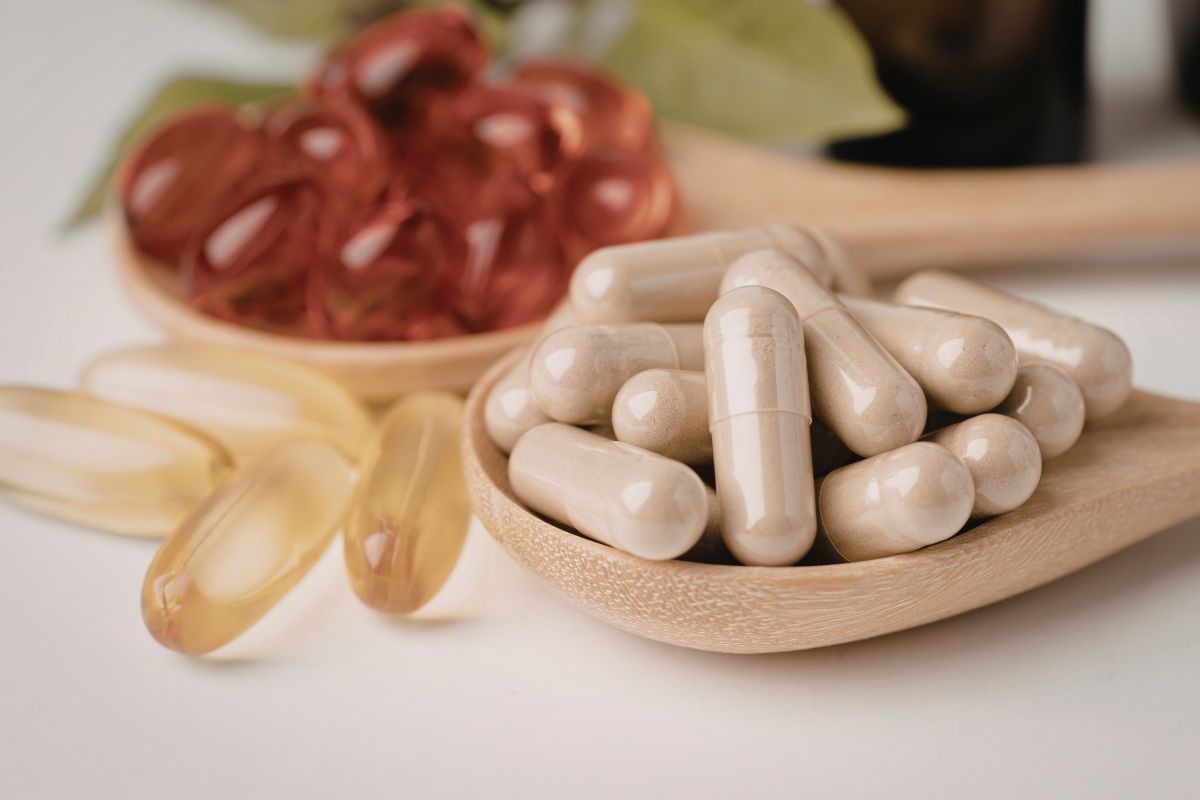
The use of dietary supplements has increased substantially among older adults, driven by claims of improved energy, stronger immunity, and healthier aging. Although supplements are often viewed as a simple way to support health, research shows that they provide limited benefit for most people who already consume an adequate, balanced diet.
Some supplements may even cause harm when taken in excessive doses or combined with prescription medications. For older adults, the most important question is not whether supplements are inherently beneficial or harmful, but whether a clinically significant nutrient deficiency exists and what is causing it.
Why Aging Changes Nutritional Needs
Older adults are at greater risk of nutritional deficiencies due to reduced appetite, changes in taste and smell, and difficulties with chewing or swallowing. Tooth loss, periodontal disease, and poorly fitting dentures may further limit food choices, often resulting in diets that are low in protein and other essential nutrients.
Chronic medical conditions and the medications used to treat them can also affect nutrient absorption, metabolism, or excretion. In addition, many older adults live alone, have limited financial resources, or experience reduced mobility, making it more difficult to shop for and prepare nutritious meals.
Dietary habits may also change with age. Some people deliberately eat less in an effort to lose weight or avoid foods they perceive as “heavy.” Over time, relying on simple meals such as soup, toast, or tea may satisfy hunger while providing insufficient amounts of protein, vitamins, and minerals.
Vitamins Commonly Deficient in Older Adults
Vitamin B12 deficiency becomes increasingly common with age because reduced gastric acid production limits the release of vitamin B12 from food. Deficiency may lead to megaloblastic anemia, fatigue, peripheral neuropathy, impaired balance, cognitive impairment, and, in severe cases, irreversible neurological damage.
Certain medications, including metformin and proton pump inhibitors (PPIs), can further increase the risk of vitamin B12 deficiency. High-dose oral vitamin B12 supplementation is effective for many patients, although those with severe deficiency or significant malabsorption may require intramuscular vitamin B12 injections.
Folate (vitamin B9) is essential for DNA synthesis and red blood cell production. Folate deficiency can increase plasma homocysteine concentrations, which have been associated with cardiovascular disease and cognitive decline. However, clinical trials have not consistently demonstrated that folic acid supplementation reduces the risk of these outcomes in the general population.
Vitamin B12 deficiency should always be excluded before treating isolated folate deficiency. Folic acid supplementation may correct the hematological manifestations of vitamin B12 deficiency while allowing progressive neurological damage to remain undetected.
Vitamin D deficiency is also common in older adults, particularly among individuals with limited sun exposure, reduced mobility, darker skin pigmentation, institutionalized living, or diets low in oily fish and vitamin D-fortified foods.
Vitamin D supplementation is appropriate for individuals with confirmed deficiency, osteoporosis, recurrent falls, or a high fracture risk. However, large randomized clinical trials involving generally healthy adults without documented deficiency have not demonstrated broad fracture-prevention benefits from routine vitamin D supplementation.
Calcium, Magnesium, and Multivitamins
Calcium and magnesium are essential for bone health, muscle contraction, and normal nerve function. Whenever possible, these minerals should be obtained through dietary sources such as dairy products, leafy green vegetables, nuts, seeds, and whole grains.
Calcium supplements may be appropriate for individuals who cannot meet their requirements through diet or who have osteoporosis. However, excessive calcium supplementation may increase the risk of nephrolithiasis (kidney stones) and has raised concerns regarding possible cardiovascular effects in some populations.
Although magnesium supplements are widely marketed to improve sleep quality, current evidence supporting their routine use for insomnia remains limited.
Multivitamin supplements may benefit older adults with poor appetite, highly restricted diets, or documented nutritional inadequacies. In these situations, a standard low-dose multivitamin can help address multiple mild nutrient deficiencies when dietary improvements alone are insufficient.
Nevertheless, findings from large prospective cohort studies have shown no association between daily multivitamin use and reduced all-cause mortality. Ongoing research continues to examine possible effects on cognitive aging, although it remains uncertain whether modest improvements in cognitive testing translate into meaningful long-term clinical benefits.
Protein: The Frequently Overlooked Nutrient
One of the most important—and often overlooked—nutrients in later life is protein. Aging is associated with progressive loss of skeletal muscle mass and strength, a condition known as sarcopenia, which increases the risk of frailty, falls, disability, and loss of independence.
Many older adults consume insufficient amounts of meat, fish, eggs, dairy products, legumes, or other protein-rich foods because of chewing difficulties, digestive symptoms, financial constraints, or long-standing eating habits.
Expert guidelines commonly recommend approximately 1.0–1.2 g of protein per kilogram of body weight per day for healthy older adults, with higher intakes often recommended during acute illness, recovery, or hospitalization, provided kidney function is adequate.
When dietary intake alone is insufficient, oral nutritional supplements or protein supplements may be appropriate under the supervision of a healthcare professional. Combining adequate protein intake with resistance or strength training has consistently been shown to improve muscle preservation and physical function in older adults.
Risks of Self-Prescribing Supplements
Taking supplements without medical supervision may create additional health risks. Excessive intake of vitamin D or vitamin A can cause toxicity, with symptoms ranging from nausea and muscle weakness to serious organ damage in severe cases.
Iron supplementation should not be started without laboratory confirmation of iron deficiency unless specifically recommended by a healthcare professional. Excess iron may accumulate in the body and cause clinically significant complications.
Certain herbal products and dietary supplements may also interact with prescription medications by altering their absorption, metabolism, or elimination, potentially reducing treatment effectiveness or increasing adverse effects.
Systematic reviews of randomized clinical trials have also reported that high-dose antioxidant supplementation, particularly with beta-carotene and vitamin E, may increase mortality in certain populations, especially smokers. These findings demonstrate that higher doses are not necessarily associated with greater health benefits.
Choosing Supplements Wisely
A rational approach to supplementation begins with assessing dietary intake rather than automatically recommending supplements. Healthcare professionals should evaluate appetite, recent weight loss, oral health, swallowing difficulties, living circumstances, and the overall quality and variety of an individual’s diet.
Laboratory testing is often appropriate to assess vitamin B12, folate, iron, and vitamin D status, particularly when symptoms such as fatigue, muscle weakness, anemia, or cognitive changes are present. Supplementation should be guided by documented deficiencies, established risk factors, or medical conditions known to increase nutritional requirements.
Current evidence does not support routine supplementation for all older adults. Instead, targeted use of vitamin D, vitamin B12, folic acid, iron when clinically indicated, and, in selected cases, a low-dose multivitamin or protein supplement may provide meaningful benefit under appropriate medical guidance.
Healthy aging continues to depend primarily on balanced nutrition, adequate protein intake, regular resistance exercise, sufficient sleep, social engagement, and consistent access to nutritious foods. The most effective supplement is one that corrects a confirmed nutritional deficiency rather than one promoted by marketing claims.
