
New survey data suggest that a man’s hobbies may matter almost as much as his looks or sense of humor when it comes to first impressions. A recent poll by the Date Psychology platform asked women to rate dozens of popular male pastimes, and the results quickly went viral.
The findings challenge the stereotype that gyms, fast cars, and extreme sports dominate female preferences. Instead, women in the study consistently favored creative, intellectually engaging, and skill-building activities over status-driven or escapist hobbies.
Reading tops the attractiveness ranking
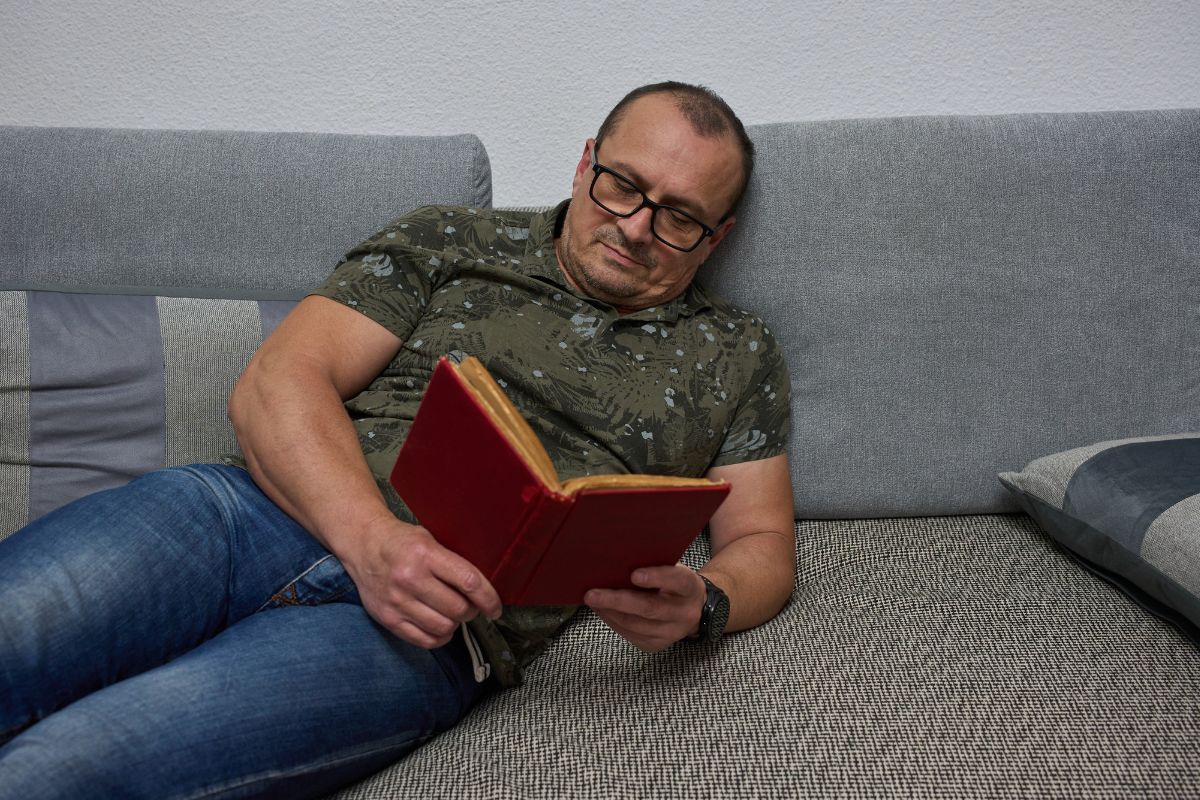
Researchers compiled a list of 74 hobbies typically associated with men and asked more than 800 women to judge each as attractive or unattractive in a potential partner. The clear winner was reading books, which 98.2 percent of respondents described as a highly appealing pastime.
Also rated very positively were learning foreign languages, playing musical instruments, cooking, woodworking, and other manual crafts. Photography, writing, painting, gardening, and travel likewise appeared near the top, all linked to curiosity, creativity, and personal growth.
Experts note that many of these favored hobbies signal long-term traits that matter in relationships. They often imply discipline, openness to learning, emotional depth, and an ability to focus on something beyond work or appearance, which can be interpreted as signs of maturity and stability.
Least attractive hobbies spark debate
The second part of the survey, highlighting the least attractive interests, triggered even stronger reactions online. At the bottom of the ranking were activities connected to the so-called manosphere, meaning online spaces that promote extreme or hostile ideas about gender and masculinity.
Women also rated constant online arguing, heavy consumption of pornography, gambling, and obsessive monitoring of cryptocurrencies as particularly unattractive. Collecting figurines, comic book fandoms, and cosplay scored poorly as well, especially when described as all-consuming passions.
According to the authors, many of these low-ranked hobbies were seen as socially isolating or as forms of escape from everyday responsibilities. Respondents tended to prefer pursuits that involve real-world interaction, learning new skills, or contributing something tangible.
How representative are the results?
The study rapidly spread across social media, where users questioned how well it reflects broader reality. Commenters pointed out that people often answer surveys in line with ideals, while their actual dating choices can be more flexible or contradictory.
Some readers, however, said the ranking matched their own observations, especially the emphasis on creative or growth-oriented hobbies. They argued that such interests often make conversation easier and reveal more about values and personality than gym routines or luxury purchases.
The researchers themselves stress that the sample is not representative of the entire population. Participants were self-selected and skewed toward higher levels of education, meaning preferences could look very different in other social or cultural groups or in non-online environments.
What the findings suggest about attraction
Despite the limitations, psychologists say the survey aligns with long-standing research on mate choice. Many studies indicate that traits such as curiosity, reliability, and emotional intelligence strongly influence long-term attraction, even when people initially focus on looks or income.
Hobbies can act as visible markers of those deeper qualities, especially in the early stages of dating when little else is known. A man who reads widely or learns languages may be perceived as more reflective and open-minded than someone whose free time is dominated by online conflicts or speculative trading.
At the same time, experts caution against treating the ranking as a rigid set of rules for personal life. They emphasize that compatibility depends on shared values and mutual respect, and even stigmatized hobbies can be attractive when balanced with social skills, empathy, and a healthy offline life.
Ultimately, the survey reinforces one key message: for many women, long-term allure goes beyond muscles or material status. A genuine passion, steady self-development, and the ability to engage with the world in thoughtful ways may matter far more than the latest car or the heaviest weight lifted at the gym.
