
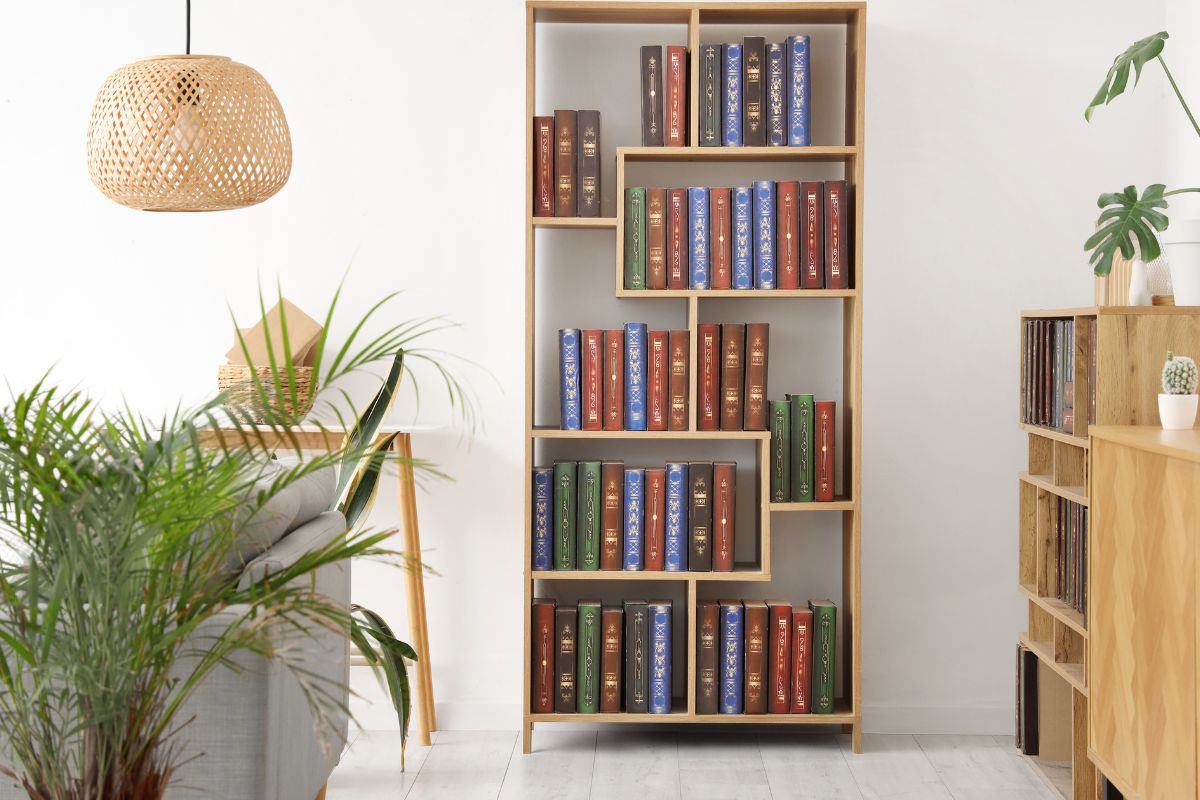
Many people associate intelligence with eloquent speech, broad knowledge and good manners. However, psychologists suggest that certain habits and features of the home environment may also reflect traits often linked to higher cognitive abilities. What sits on your shelves, table or even your windowsill can sometimes reveal patterns of curiosity, self-discipline and lifelong learning.
Researchers increasingly find connections between everyday behaviors and cognitive performance. From books and creative hobbies to board games and healthy routines, these factors are not direct measures of IQ. Still, they often appear alongside qualities such as openness to experience, problem-solving ability and intellectual engagement.
Books and a Culture of Reading
One of the most commonly cited features of intellectually engaged households is the presence of books. Reading expands vocabulary, exposes people to new ideas and perspectives, and encourages critical thinking. Numerous studies have shown that frequent readers tend to perform better on measures of verbal ability and knowledge.
Books can also reflect a commitment to lifelong learning. Psychologists note that people who read for enjoyment, rather than solely for work or study, often score higher on traits related to curiosity and openness. These characteristics are consistently associated with creativity and cognitive flexibility.
At the same time, researchers emphasize that the number of books alone does not determine intelligence. Rather, regular engagement with reading appears to be the more meaningful factor.
Creative Tools and Organized Chaos
Materials used for creative activities, such as paints, sketchbooks, knitting supplies or musical notation, are also common in homes where learning and self-expression are valued. Research published in the Journal of Intelligence has linked creative engagement with stronger performance on some measures of cognitive ability.
Creative hobbies encourage experimentation, flexible thinking and the ability to approach problems from different angles. These skills are often considered important components of intelligence beyond simple memory or factual knowledge.
Such environments are not always perfectly organized. Studies have found that mildly cluttered spaces can sometimes promote unconventional thinking and creativity. Many intellectually curious people maintain what could be described as organized chaos, where books, notes and unfinished projects remain visible and accessible. However, excessive clutter can have the opposite effect and increase stress.
Plants, Music and Mental Well-Being
People who prioritize learning and mental performance often pay attention to their surroundings. Houseplants are one example. Research in environmental psychology suggests that greenery can reduce stress, improve mood and create a more pleasant living environment.
Music is another common feature. Instruments, speakers or music collections often reflect an ongoing interest in artistic and cognitive stimulation. Learning to play an instrument has been associated with improvements in memory, attention and certain executive functions. Even listening to music regularly can support emotional regulation and overall well-being.
Scientists believe that activities involving music help maintain the brain’s plasticity, the ability to adapt and form new neural connections throughout life.
Games, Puzzles and Mental Challenges
People who enjoy intellectual stimulation often seek activities that challenge their minds during leisure time. As a result, their homes may contain board games, chess sets, logic puzzles, crosswords or complex jigsaw puzzles.
These activities encourage strategic thinking, planning and persistence. Research suggests that mentally stimulating hobbies can contribute to cognitive resilience and may help maintain brain function as people age.
Many of these activities also have a social component. Board games, for example, combine mental challenges with interaction, communication and cooperation. This combination may offer additional benefits for psychological well-being.
Spaces Designed for Conversation
Intellectual engagement is not only about solitary activities. Strong social relationships also play an important role in cognitive and emotional health.
Homes that encourage conversation, whether through a comfortable living room, a large dining table or a welcoming atmosphere, often support regular social interaction. Studies have repeatedly linked meaningful social connections with better mental health and stronger cognitive resilience later in life.
Researchers believe that conversations challenge memory, attention, emotional understanding and problem-solving skills, making social interaction an important form of mental exercise.
Conscious Choices in the Kitchen
Everyday habits can also reflect broader patterns of self-regulation and long-term thinking. In many households focused on health and well-being, kitchens often contain a variety of teas, fruits, vegetables, nuts and other nutrient-rich foods.
Herbal teas such as chamomile or lemon balm are frequently used as part of stress-management routines. While drinking tea does not increase intelligence, choosing habits that support sleep, stress reduction and overall health may indirectly benefit cognitive performance.
Nutrition research also suggests that diets rich in vegetables, nuts, seeds and healthy fats can support both cardiovascular and brain health. Such choices may reflect a tendency toward planning, self-control and future-oriented thinking.
Intelligence Is More Than What Is on the Shelf
Experts emphasize that no single object or household habit can accurately measure intelligence. Owning books, plants, musical instruments or puzzles does not automatically indicate a high IQ.
However, homes that encourage learning, creativity, social connection and healthy routines often reflect behaviors associated with cognitive development and psychological well-being. Rather than any specific item, it is the underlying habits of curiosity, engagement and continuous growth that appear most closely linked to intellectual functioning.
In the end, intelligence may be less about what people own and more about how they use their environment to learn, create, connect and continue growing throughout life.
