
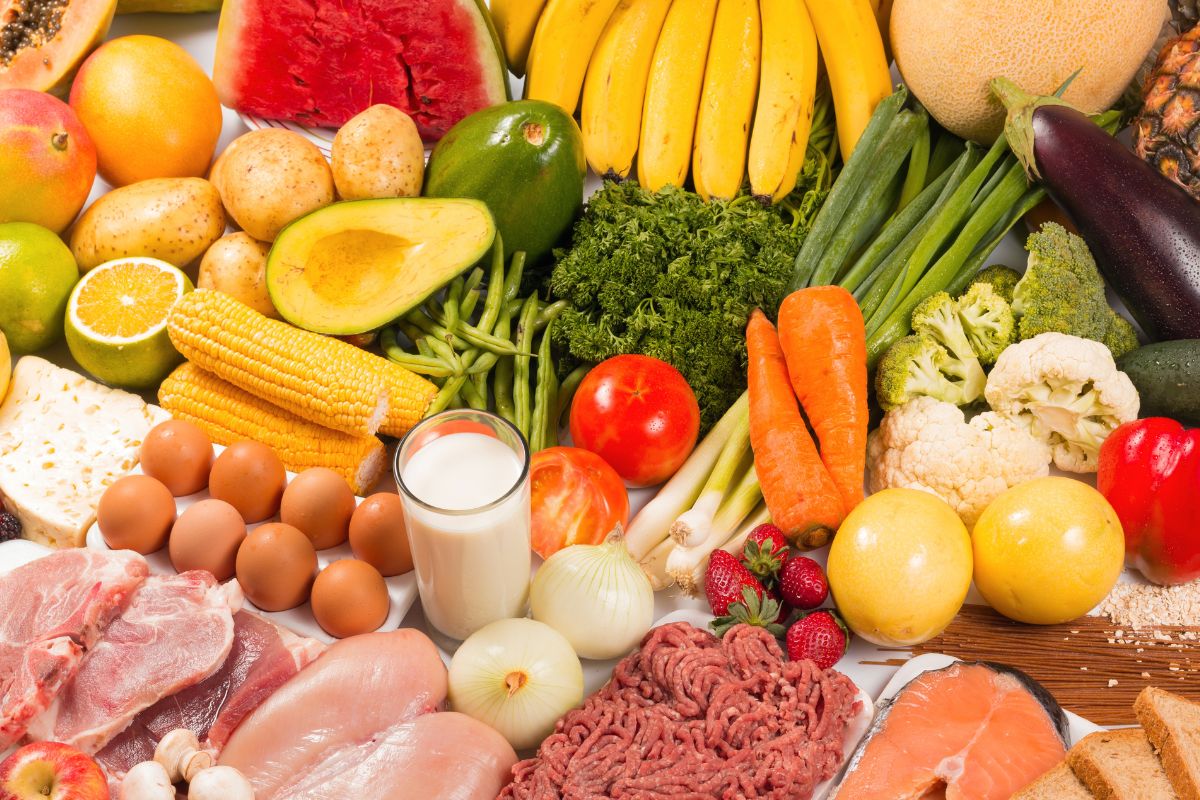
The key to protecting heart health may not be strictly cutting carbohydrates or fat, but improving the quality of the foods on your plate. New long-term evidence suggests that focusing on nutrient-rich, minimally processed foods matters far more than obsessing over macronutrient ratios.
A major U.S. study followed nearly 200,000 men and women for about 30 years, examining how different eating patterns influenced cardiovascular risk. Researchers compared a wide range of low-carbohydrate and low-fat diets to determine which approaches were most effective at preventing heart disease.
The results point to one critical factor: diets built around whole grains, fruits, vegetables, and healthy fats were associated with better outcomes, regardless of whether they were lower in carbohydrates or fat. Diets high in processed foods and animal fats, even when technically low in carbs or fat, offered far fewer cardiovascular benefits.
What The Study Uncovered
The research, led by Harvard public health experts and published in the Journal of the American College of Cardiology, analyzed detailed dietary questionnaires completed by health professionals. The team tracked new cases of coronary heart disease across more than 5.2 million person-years of follow-up.
Participants whose diets emphasized plant-based foods, whole grains, and unsaturated fats showed higher levels of protective HDL cholesterol and lower levels of blood fats and inflammatory markers. Over time, they experienced a significantly lower risk of coronary heart disease, one of the leading causes of heart attacks.
By contrast, people following low-carbohydrate or low-fat diets that relied heavily on refined grains, added sugars, and processed meats did not experience the same reduction in risk. This difference remained even when total calorie intake appeared similar.
Why Quality Beats Strict Restriction
Lead author Zhiyuan Wu said the findings challenge the idea that simply eliminating one nutrient is enough to improve health. He noted that focusing only on carbohydrate or fat content while ignoring food quality may fail to deliver meaningful long-term cardiovascular benefits.
Healthy low-carbohydrate and low-fat diets appeared to improve heart health through similar biological pathways, including healthier cholesterol levels and reduced chronic inflammation. This suggests there is more than one effective dietary approach, provided it is based on high-quality foods.
Yale cardiologist Harlan Krumholz, who was not involved in the analysis but oversees the journal that published the study, said the research helps move the conversation beyond the long-running low-carb versus low-fat debate. For most people, he argued, prioritizing minimally processed, plant-forward foods is more important than choosing a particular diet camp.
Implications For Everyday Eating
The study has some limitations, including its reliance on self-reported dietary information and a participant group made up largely of health professionals, who may differ from the general population. However, the large sample size and exceptionally long follow-up period strengthen the findings and support conclusions from other major nutrition studies.
Taken together, the evidence suggests that strict calorie counting or extreme restrictions on carbohydrates or fat are not necessary for protecting heart health. Instead, consistently choosing vegetables, fruits, legumes, nuts, whole grains, and unsaturated oils while limiting highly processed foods and processed meats appears to be a more sustainable strategy.
The findings also offer flexibility for people with different cultural backgrounds and dietary preferences. Whether someone follows a Mediterranean-style eating pattern, a moderate low-carbohydrate plan, or a modestly lower-fat approach, the greatest cardiovascular benefits are likely to come from making minimally processed, plant-based foods the foundation of the diet.
