
A new study suggests that orgasms, particularly those achieved through masturbation with sex toys, may help reduce both physical and emotional symptoms associated with menopause. Researchers say the findings highlight the complex relationship between sexual satisfaction, mental health and relationship dynamics during midlife.
The study also found that people in consensually non-monogamous relationships and those with younger partners tended to report fewer and less severe menopausal symptoms overall. According to the researchers, the results challenge outdated assumptions that sexual activity and pleasure inevitably decline during menopause.
How menopause affects everyday life
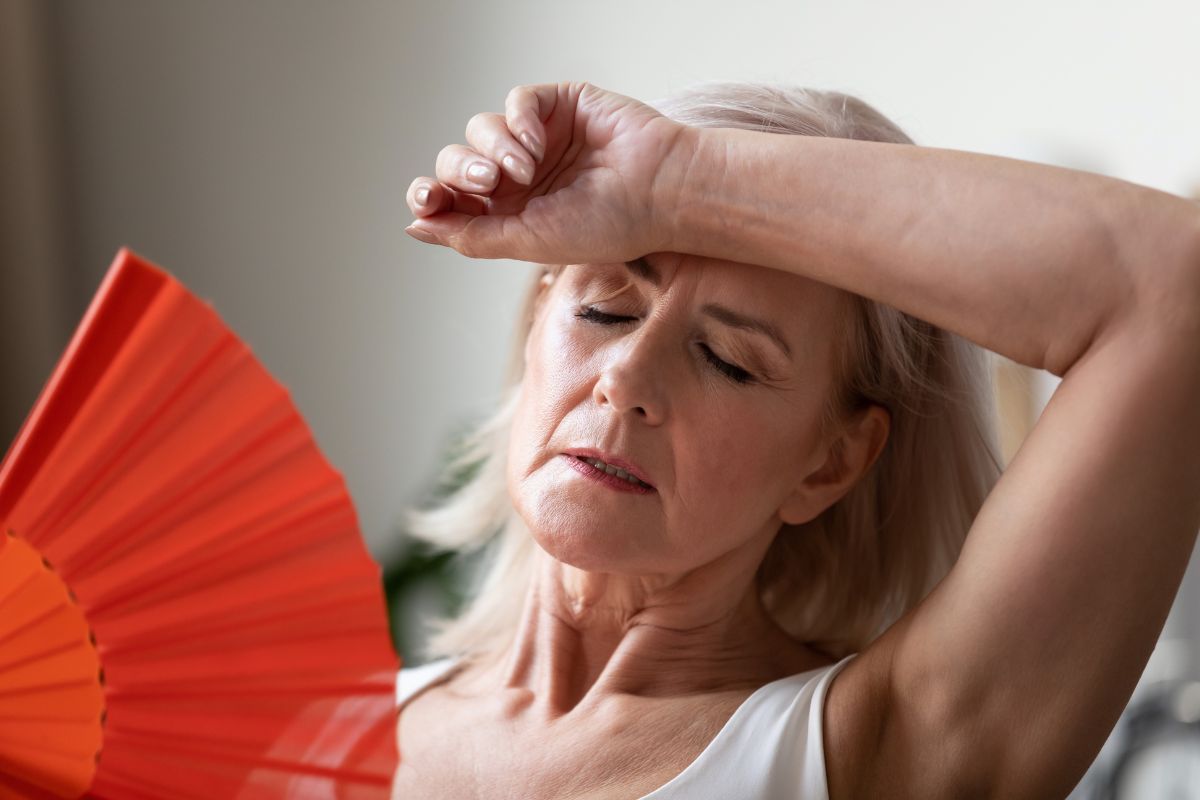
Perimenopause is the transitional stage leading up to menopause, which is officially defined as going 12 consecutive months without a menstrual period. During this time, fluctuating hormone levels can trigger symptoms such as hot flashes, night sweats, sleep disturbances, vaginal dryness, mood swings and reduced sexual desire.
Lead author Samantha Banbury, a psychology professor at London Metropolitan University, noted that much of the existing research around menopause still focuses heavily on sexual decline and dysfunction. She argues that many people remain sexually active, interested in intimacy and capable of experiencing pleasure throughout and beyond menopause.
The researchers wanted to explore how different forms of sexual expression, relationship structures and psychological well-being interact with menopausal symptoms.
How the study was conducted
The research team recruited 150 perimenopausal and postmenopausal participants through social media platforms. Most participants were cisgender women, although the study also included a smaller number of transgender men and nonbinary individuals. All participants were at least 25 years old to ensure inclusion of people experiencing early or surgically induced menopause.
Participants completed a series of online questionnaires measuring sexual functioning, relationship satisfaction, sexual self-efficacy and general mental well-being. They also reported the frequency and severity of common menopausal symptoms, including fatigue, disrupted sleep, genital discomfort and changes in libido.
The researchers then analyzed how these factors related to sexual behaviors such as masturbation, orgasm frequency and sex toy use.
Sex toys and orgasm frequency linked to fewer symptoms
One of the clearest findings was that participants who experienced orgasms more frequently generally reported lower overall menopause symptom severity. Masturbation involving sex toys appeared particularly associated with reduced physical symptoms such as exhaustion and poor sleep quality.
Participants who regularly used sex toys often described better energy levels and fewer sleep-related complaints compared with those who did not. The researchers suggest that orgasm-related hormonal and neurological changes may partially explain these effects, though they stress that more research is still needed.
Banbury emphasized that self-pleasure should not be viewed as a replacement for medical treatment. Instead, it may serve as one supportive component within broader menopause care that can also include hormone therapy, psychological support, exercise and lifestyle changes.
Emotional benefits and mental well-being
The study also identified strong links between masturbation with sex toys and lower levels of emotional distress. Participants who engaged more frequently in self-pleasure reported fewer symptoms such as anxiety, apathy, crying spells and depressed mood.
Researchers believe improved emotional well-being may partly mediate the relationship between sexual pleasure and symptom relief. In other words, sexual satisfaction may support psychological resilience, which then helps reduce the emotional burden of menopause.
Higher sexual satisfaction overall was additionally associated with fewer urogenital symptoms, including genital soreness, painful urination and sudden drops in sexual interest. Strong relationship satisfaction and better mental health appeared to reinforce these benefits.
Younger partners and non-monogamous relationships
Another notable finding involved relationship dynamics. Participants with partners at least seven years younger tended to report stronger sexual arousal and fewer physical menopausal symptoms than those with similarly aged partners.
The researchers say this may reflect broader relationship dynamics rather than age alone, including differences in sexual frequency, novelty or perceptions of attractiveness and vitality.
People in consensually non-monogamous relationships also reported more frequent orgasms and fewer menopausal symptoms compared with participants in monogamous relationships. Banbury noted that diverse relationship structures are still underrepresented in menopause research despite potentially important effects on sexual and emotional well-being.
Limitations and future research
The authors caution that the study cannot prove direct cause and effect because it relied on correlational data collected through self-report surveys. Participants may have unintentionally misremembered details or responded in socially desirable ways.
The sample size was also relatively small and lacked broad ethnic and cultural diversity, limiting how widely the findings can be generalized. Cultural beliefs surrounding sex, aging and menopause may strongly shape both symptoms and willingness to discuss sexual behavior openly.
Future research will explore how mindfulness practices, virtual reality therapies and different relationship structures influence menopause experiences. The researchers are also interested in developing more inclusive sexual wellness products tailored for transgender individuals, disabled users and people who have undergone hysterectomy procedures.
