
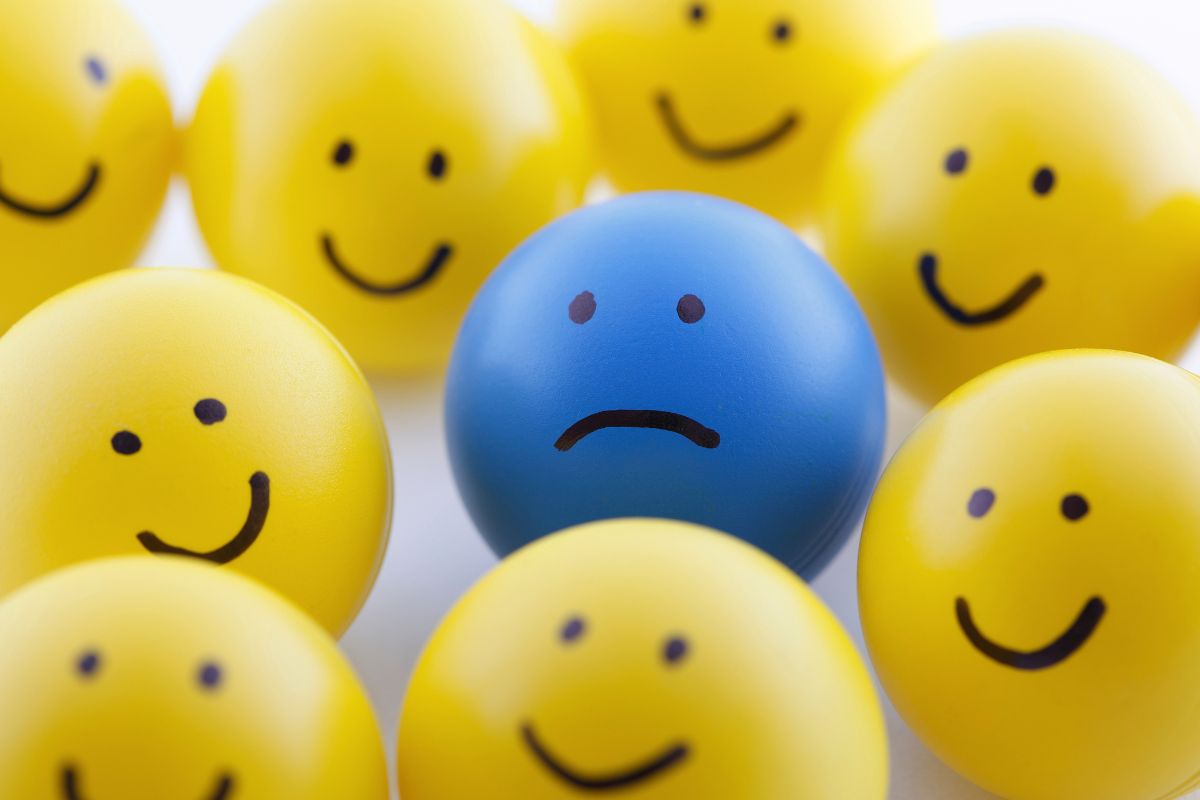
Modern culture treats happiness as a permanent goal and almost a personal duty. Self-help trends, social media and wellness influencers insist that with the right habits and mindset, we can fix ourselves once and for all. Yet real life inevitably includes loss, fear, fatigue and disappointment.
Psychologists note that relief often comes when we stop demanding constant happiness from ourselves. Accepting emotional ups and downs does not mean giving up on growth. It means recognizing that a full life includes both joy and pain, instead of endlessly chasing an ideal mood.
Happiness And Joy Are Not Identical
Researchers usually link happiness with relative comfort and stability. It is the feeling that things are generally going well, that life is predictable and secure. This state is pleasant, but it is vulnerable to crises, illness, conflict or sudden change.
Joy works differently and can appear even amid hardship or grief. People can cry from exhaustion and still laugh with friends on the same day. We may feel anxious about the future and still be deeply grateful for a small, bright moment that breaks through the darkness.
Joy does not require perfect circumstances or the absence of pain. It is often a brief yet vivid reminder that life still touches us and remains meaningful. This distinction helps explain why expecting permanent happiness can be unrealistic, while moments of joy remain accessible even in difficult times.
The Hidden Cost Of Toxic Positivity
Toxic positivity is the belief that every problem must quickly be reframed as something good. Phrases like “think positive” or “this will make you stronger” may sound supportive, but they can also invalidate real suffering. Over time, people learn to distrust or suppress their own feelings.
When sadness, anger or fear are dismissed, emotions do not disappear. They may accumulate as chronic stress, anxiety, irritability or burnout. Clinical psychologists emphasize that resilience grows not from perfect self-control, but from honest awareness of what we are experiencing.
Allowing ourselves to say “this is hard for me right now” can be a crucial first step in recovery. Empirical studies also show that emotional avoidance is associated with worse mental health outcomes, while acknowledging emotions correlates with better coping and relationships.
Why Inner Emptiness Is Part Of Being Human
Many people recognize a quiet but persistent feeling that something is missing, even when life looks fine on paper. Contemporary consumer culture actively exploits this sense of incompleteness. It constantly offers new bodies, careers, gadgets and lifestyles as the next version of happiness.
Philosophers and therapists argue that a certain inner restlessness is normal. It motivates us to search for meaning, form close bonds and create. Problems begin when we try to fill this emptiness only with consumption or with the demand to feel happy at every moment.
Chasing an ideal emotional state can strengthen feelings of failure if we inevitably fall short. Accepting that some degree of uncertainty and longing will always remain can reduce pressure. It also opens space for more realistic goals, such as living meaningfully rather than flawlessly.
Joy In Small, Ordinary Moments
In painful periods, people often wait for a dramatic turning point that will “bring life back”. Yet joy usually arrives in modest, everyday experiences. Morning light in the kitchen, the smell of coffee, a favorite song or a message from someone we trust can all briefly revive us.
These moments do not need to be earned by productivity or self-improvement. Psychologists describe joy as closely tied to attention: our ability to notice something kind, beautiful or comforting, even when the larger situation has not changed. This skill can be trained gently over time.
Practices such as keeping a gratitude journal, spending time in nature or paying closer attention to sensory details can strengthen this sensitivity. They do not erase pain, but they help prevent it from swallowing all other experiences.
Why Sadness Also Matters
Contemporary culture is often uncomfortable with sadness and treats it as a defect to be corrected quickly. However, grief and melancholy are integral parts of emotional life. They signal that something important has been lost or that our needs are not being met.
Therapists note that allowing ourselves to feel sadness and fear can reduce their intensity over time. When we stop running from difficult emotions, they become more manageable and less frightening. This, in turn, creates more room for genuine joy instead of its forced imitation.
Sadness can deepen empathy and help us better understand others who are struggling. It can also clarify our values, showing what truly matters when illusions fall away. In that sense, sorrow does not oppose a meaningful life, but often enriches it.
How To Move Closer To Real Joy
Experts often describe joy as both an emotion and a practice of attention. We cannot force it to appear on command, but we can create more favorable conditions. One approach is to focus on doing small, meaningful actions that align with personal values rather than chasing ideal feelings.
Being present with people we trust is another powerful source of emotional recovery. Safe relationships help regulate stress and make it easier to process painful experiences. Support does not require advice or solutions; sometimes it is enough simply to stay nearby and listen.
Hope also plays a quiet but crucial role. It is not naive optimism that everything will always go well, but a willingness to believe that good moments are still possible ahead. Noticing beauty in the ordinary can nurture this hope and remind us that life is more than our current difficulties.
Ultimately, no one is obliged to be happy all the time. Life will always include anxiety, uncertainty, fatigue and loss. Joy does not cancel pain, but it can coexist with it, gently reminding us that even in chaos, existence can remain worth living.
