
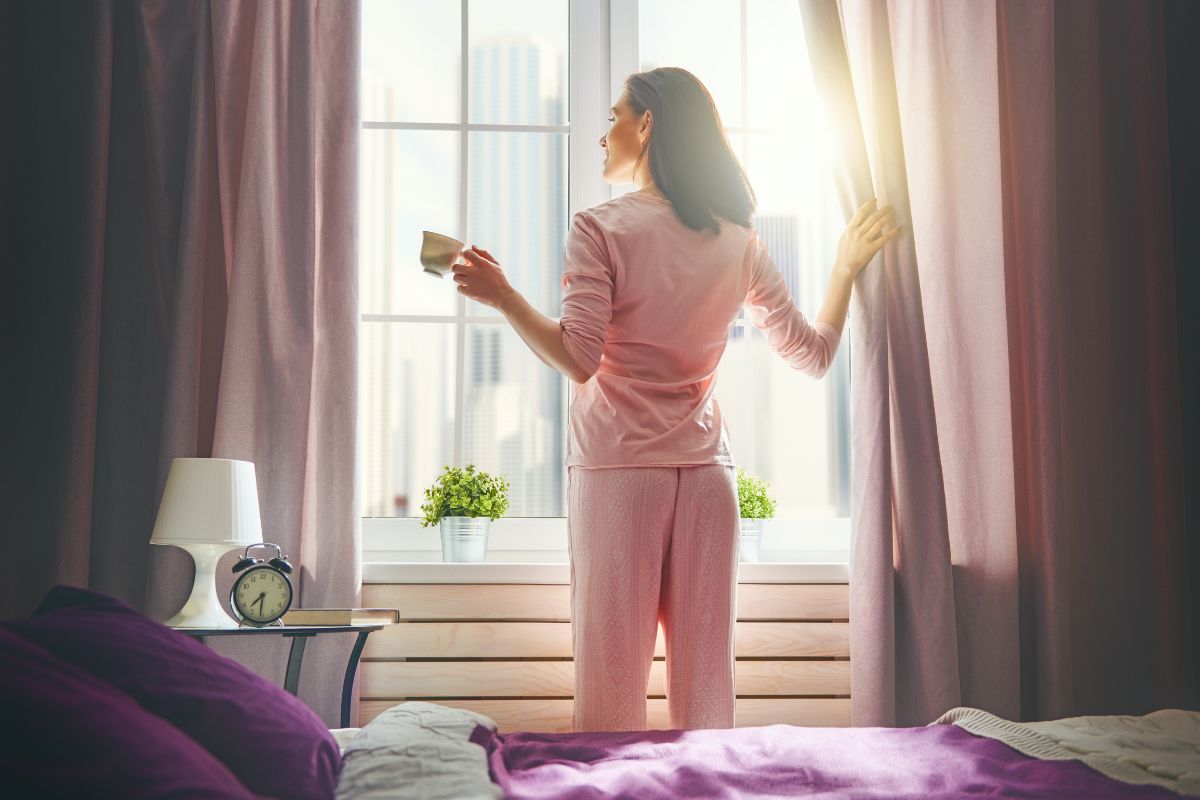
Feeling and looking younger is not always about genetics or expensive aesthetic medicine. Psychologists increasingly emphasize that everyday routines, especially in the morning, can have a powerful impact on how we age. Small, consistent habits may influence the appearance of the skin, posture, energy levels, and overall vitality.
American psychologist Marikit Alonzo analyzed the morning routines of people who are often perceived as looking up to a decade younger than their actual age. Her conclusion was that there is no single anti-aging secret, but rather the combined effect of several simple practices. Together, these habits shape how rested, vibrant, and youthful people appear to others.
Why Quality Sleep Comes First
According to Alonzo, people who appear younger tend to treat sleep as a non-negotiable priority. It is not only about getting enough hours of rest, but also about maintaining consistent sleep and wake times. Chronic sleep deprivation can quickly lead to dull skin, puffiness, and more visible expression lines.
Research suggests that during deep sleep, the skin undergoes intensive repair and regeneration, while levels of the stress hormone cortisol decrease. Stable sleep patterns are associated with healthier body weight, improved mood, and lower inflammation, all of which may help slow visible aging. In many cases, a consistent bedtime routine matters more than occasionally sleeping in on weekends.
Light, Movement, And Hydration
One of the most common habits among people who appear youthful is early exposure to natural light. A short walk outside, stepping onto a balcony, or even sitting near an open window can help reset the body’s internal clock. Morning daylight boosts alertness, regulates melatonin production, and may support better-quality sleep the following night.
Another frequent habit is drinking water before the first cup of coffee. Overnight, the body naturally loses fluids, which can leave the face looking puffy and the skin appearing dull. A glass of water in the morning supports circulation, metabolism, and skin hydration, helping the complexion appear smoother and more elastic.
Alonzo also notes that these individuals tend to move soon after waking, although not through punishing workouts. Gentle stretching, walking the dog, or a short yoga session can already improve circulation. Better blood flow brings more color to the face and helps maintain an upright posture, which alone can make a person appear younger.
Strength, Nutrition, And Sun Protection
Experts point out that a youthful appearance is strongly connected to how the body moves and functions. Regular strength or resistance training helps maintain muscle tone, balance, and bone density. People who engage in muscle-building exercises several times a week often appear more energetic and confident regardless of age.
Breakfast is another recurring pattern. People who age more slowly often choose meals rich in protein and vegetables, frequently adding colorful fruits as well. These breakfasts may help stabilize blood sugar, reduce inflammation, and support collagen production, which helps keep skin firmer over time.
Psychologists and dermatologists also agree on the importance of daily sun protection. Ultraviolet radiation is responsible for much of premature skin aging, including wrinkles, pigmentation, and loss of elasticity. People who maintain a younger appearance often treat SPF as a daily necessity rather than a product used only at the beach, applying it even on cloudy days or indoors near windows.
Mental Habits And Social Connection
Alonzo observes that youthful-looking people rarely begin the day by immediately scrolling on their phones. Constant exposure to news and social media can quickly raise stress levels and physical tension. Over time, this may contribute to jaw clenching, frowning, and a more strained facial expression that can visually add years.
Maintaining regular social contact is another common trait. People who invest in relationships tend to smile more, express emotions more openly, and display softer facial expressions. Psychological research links chronic loneliness and long-term stress with accelerated biological aging and an increased risk of disease.
The final shared habit is having something to look forward to, even in ordinary daily life. This could be an upcoming trip, a class, a dinner with friends, or a new hobby. People who maintain curiosity and create small moments of anticipation often appear more lively and emotionally engaged, and that inner enthusiasm is frequently reflected in their faces.
Psychologists emphasize that none of these habits requires a large budget or drastic lifestyle changes. The key is consistency and choosing a few realistic routines that fit naturally into everyday life. Repeated over many years, these quiet habits may influence not only how old people look, but also how old they feel.
